
- ■
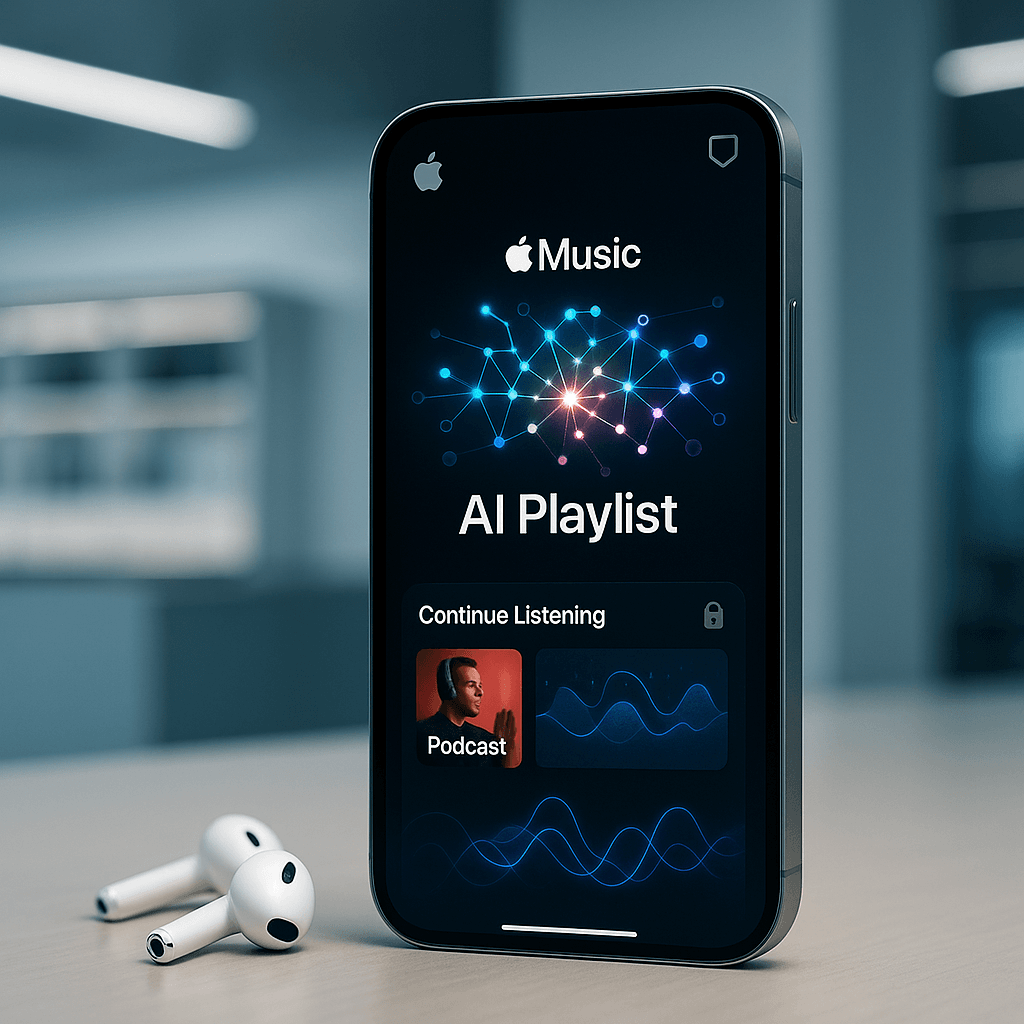
Apple releases iOS 26.4 public beta with AI-powered playlist generation, video podcast support, and RCS encryption in Apple Music, according to TechCrunch
- ■
AI playlist feature puts Apple in catch-up mode for Spotify’s AI DJ and YouTube Music’s personalized mixes
- ■
Video podcast integration could challenge YouTube’s dominance in creator podcast space
- ■
RCS encryption signals Apple’s continued (albeit reluctant) adoption of cross-platform messaging standards.
Apple launched iOS 26.4 into public beta, bringing AI-powered playlist generation to Apple Music along with support for video content in the Podcasts app. The update also introduces end-to-end encryption for RCS messages, marking another step in Apple’s gradual adoption of cross-platform messaging standards. These features may seem like routine improvements, but they demonstrate Apple’s continued efforts to embed AI throughout its consumer ecosystem. Even if its adoption has been slower than competitors like Spotify and YouTube Music, which have offered similar AI curation for months.
Apple is experimenting with iOS 26.4, and the public beta released today reveals how the company thinks AI should fit into everyday iPhone usage. The highlight is Apple Music’s AI-powered playlist generation, a feature that competitors like Spotify have been refining for over a year.
Timing matters. While Spotify launched its AI DJ feature in early 2023 and has expanded to dozens of markets since then, Apple’s approach appears to be more cautious. The AI playlist tool reportedly analyzes listening habits, mood indicators, and contextual data to suggest a curated collection, but the details of the underlying model are still unclear. Apple hasn’t said whether this will use on-device processing or cloud-based inference, but the company’s recent focus on privacy-focused AI suggests a hybrid approach.
But there’s more to play here than just the music features. Apple is adding support for video content to its Podcasts app, a move that directly challenges YouTube’s dominance in video podcasting. Creators have long been frustrated by having to choose between audio-first platforms like Apple Podcasts and video-native platforms like YouTube. The integration could give podcasters a unified distribution channel without sacrificing video content, but Apple will need to convince creators that its video player can compete with YouTube’s massive audience and monetization tools.


