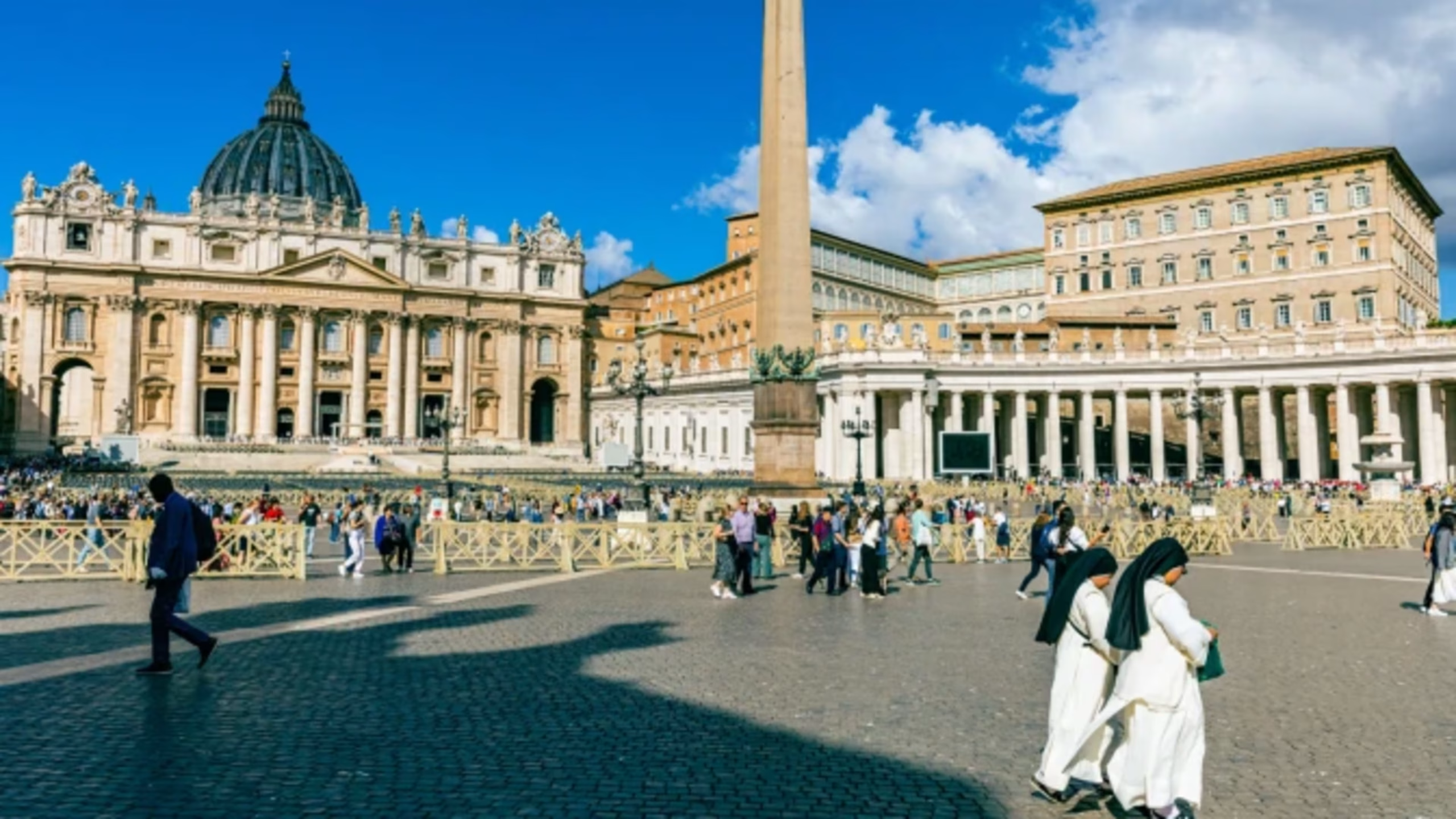
This spring, the Vatican will introduce an artificial intelligence-powered simultaneous translation system that will allow people to understand the liturgy in St. Peter’s Basilica in up to 60 languages in real time.
For the first time, believers will be able to follow the liturgy in their native language via their smartphones.
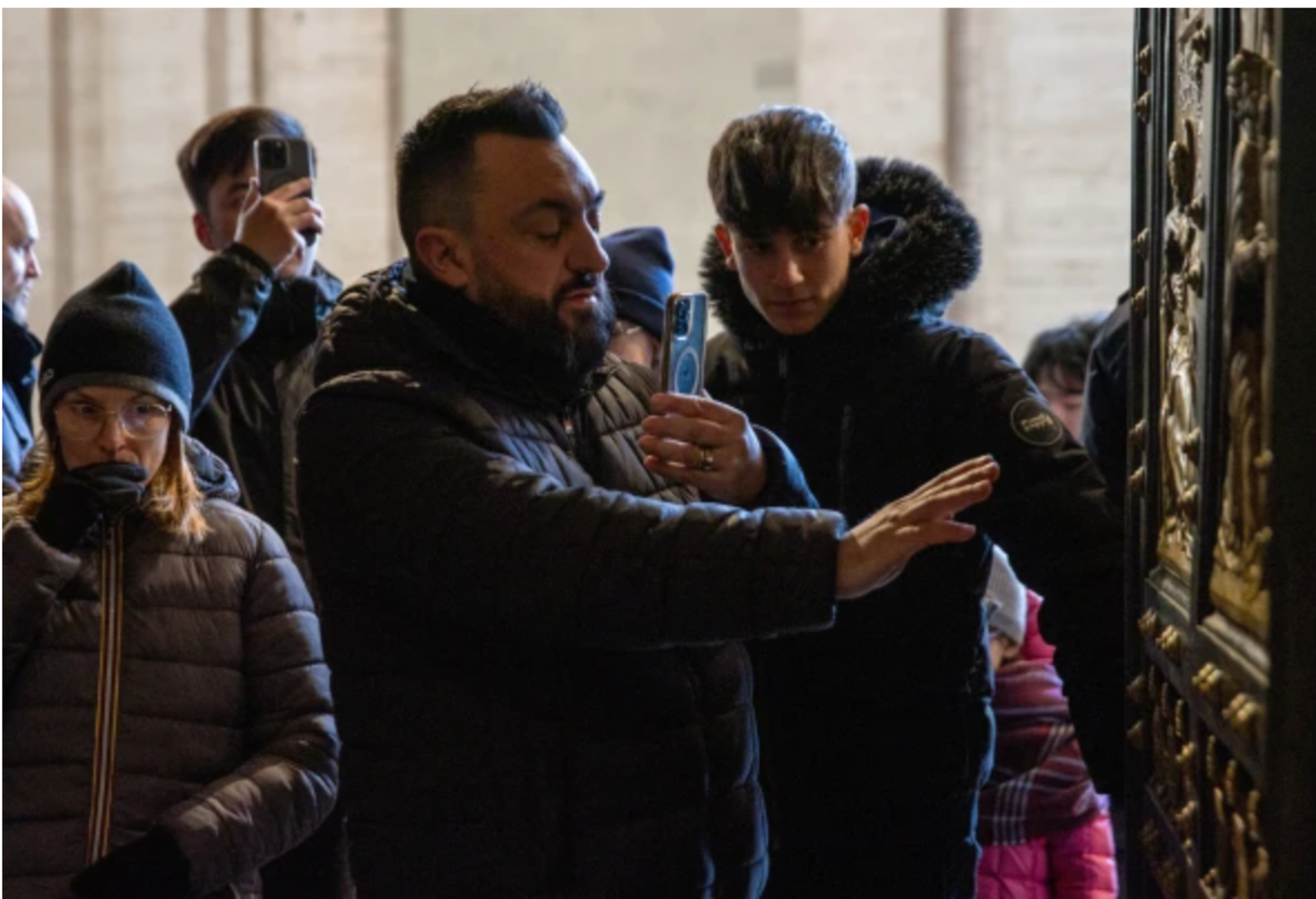
The service works directly in your device’s browser, without the need to download any applications or use accessories. In this way, Mass participants will be able to understand the readings, chants, and prayers in their native language as the celebration progresses.
The new system is designed to be easy to use. QR codes will be placed at entrances and designated locations within the church, allowing users to connect to a website and understand the liturgy with real-time translation in both audio and text format.
The system relies on the simultaneous interpretation capabilities of Lara, an artificial intelligence developed by Translated, a global leader in AI-based language solutions, in collaboration with Carnegie-AI LLC, which specializes in simultaneous interpretation technology.
Fabric of St. Peter’s director of communications, Antonio Autorino, confirmed to EWTN News’ Spanish-language sister service, ACI Prensa, that the service will launch this spring. For now, testing has already begun on a select group of believers to evaluate its functionality.
The initiative, led by St. Peter’s Church in collaboration with the Department of Communications and Diplomacy and the technology company Translate, was announced on February 16 by Cardinal Mauro Gambetti, archbishop of the cathedral, along with a series of liturgical initiatives and cultural projects in which technology plays an important role.
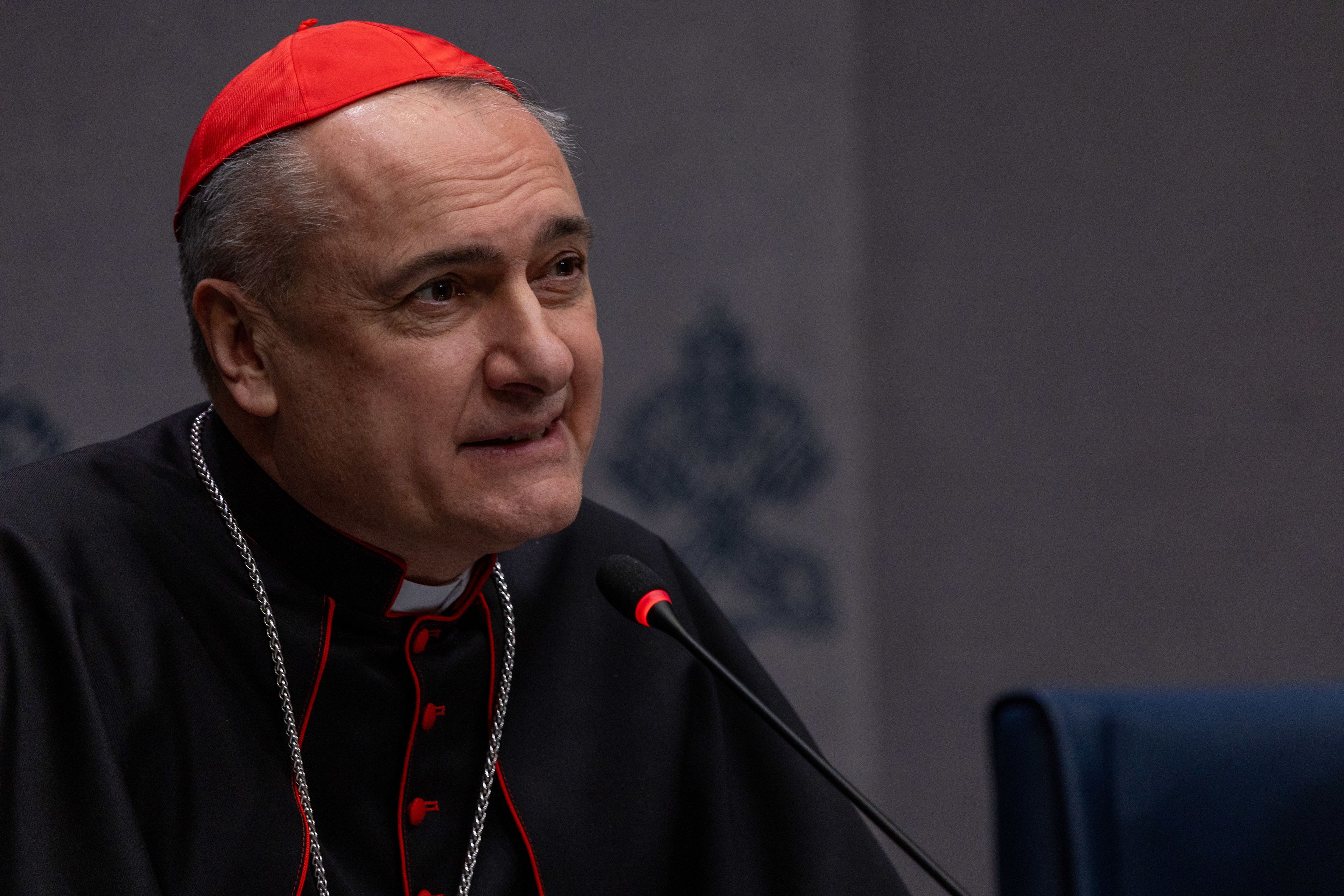
“For centuries, St. Peter’s Basilica has welcomed the faithful of all nations and languages. By making available to many people tools that will help them understand the language of the liturgy, we want to fulfill its universal mission with the very mission that defines the heart of the Catholic Church,” Gambetti stressed.
The new service begins four centuries after the cathedral was consecrated by Pope Urban VIII in 1626, after more than 100 years of construction. The first stone of the new church was laid on April 18, 1506, after Pope Julius II decided to build a new cathedral due to the dilapidation of the building built during the time of the Roman Emperor Constantine (d. 337).
Another example of how technology is helping the Vatican is the new digital access system used to better manage the flow of tourists and pilgrims entering St. Peter’s Basilica each day. The service, called SmartPass, is integrated into the cathedral’s official website along with a network of sensors, allowing it to monitor the presence of visitors in real time and improve security.
The Vatican also announced an innovative technology project that installed sensors in the foundation, facade, dome and subsoil to monitor the basilica’s structural condition in real time.
The project, named ‘Beyond the Visible’, is funded by Italian oil company Eni and combines high-precision geophysics, geomorphology and structural techniques.
“We have built an integrated information process that allows us to monitor all possible movements in this monumental building, now and in the future, and at the same time support the technical experts who have to make decisions,” explained Claudio Granata, Eni’s head of these projects, at the official presentation of the commemorative initiative at the Vatican.
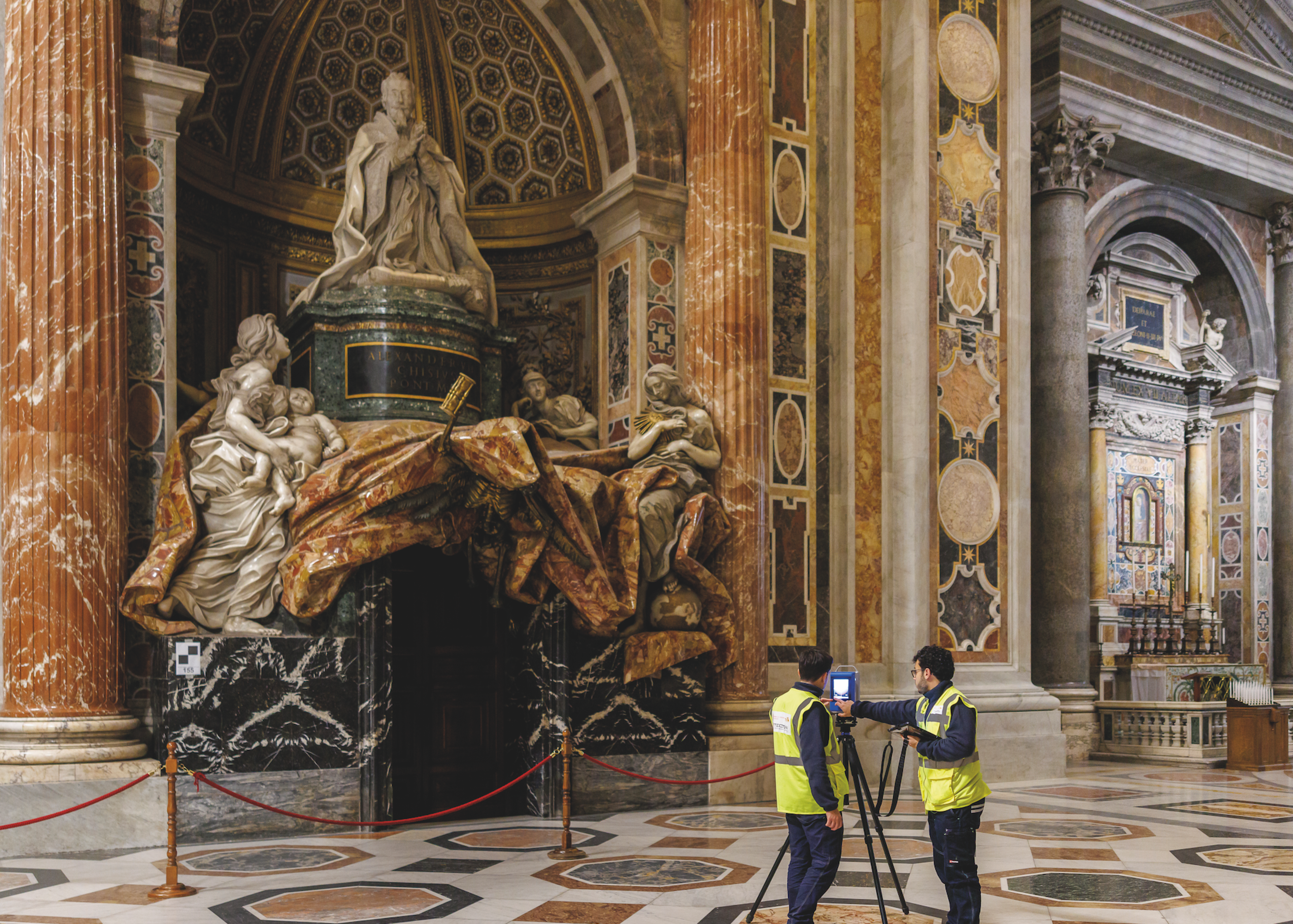
The crew operates the system to monitor the slightest movement inside St. Peter’s Basilica. |Credit: Daniel Ibáñez/EWTN News
Thanks to this system, it is possible to detect displacements and inclinations in millimeters to the order of 1/10,000th of a degree, and by viewing the data in real time, it is possible to obtain a complete map of the structure and geology of the terrain beneath the cathedral.
This article was first published by ACI Prensa, EWTN News’ Spanish-language sister service. This was translated and adapted by EWTN News English.