what happened
A new artificial intelligence video generation model developed by TikTok’s parent company ByteDance has caused alarm across Hollywood and the broader creative industry.
The tool, called Seedance 2.0, can generate high-quality, cinematic videos with synchronized dialogue and sound effects from just a few written prompts. The original version was released in mid-2025 and received little attention, but an upgraded release in February 2026 quickly gained worldwide attention.
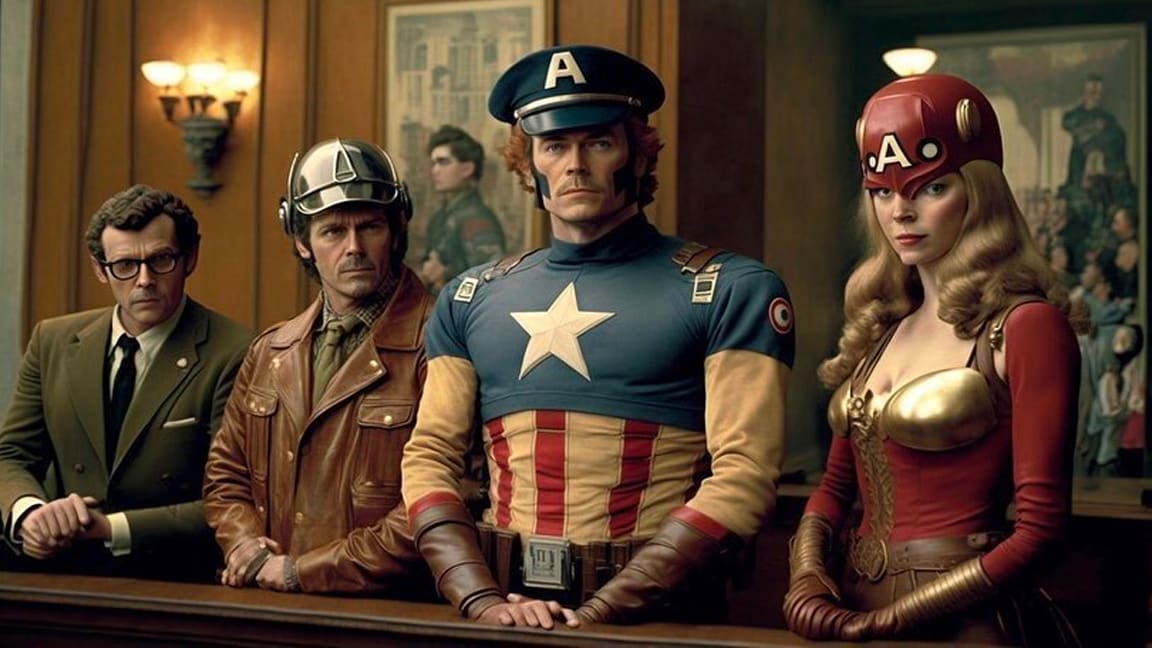
Clips allegedly generated using Seedance (including videos featuring characters resembling Spider-Man, Deadpool, and other major series figures) went viral on social media platforms. The realism of these clips, especially the complex action sequences, impressed many filmmakers and AI researchers.
Unlike previous video models, Seedance integrates text, visual, and audio generation within a single system. Analysts say this unified architecture allows them to create content that is more like material from a professional production pipeline than an experimental AI demo.
Hollywood’s major studios responded quickly. Disney and Paramount reportedly issued cease-and-desist letters accusing ByteDance of copyright infringement after AI-generated videos appeared to use recognizable intellectual property, including Marvel characters and Star Wars figures.
ByteDance said it is working to “strengthen our current safeguards” in response to copyright concerns.
The controversy comes amid extensive legal battles in the AI field. In 2023, the New York Times sued OpenAI and Microsoft for allegedly misusing content for AI training. Similar controversies have occurred involving Reddit and other media companies.
Meanwhile, industry observers have noted that Seedance’s technical performance, particularly in producing lifelike action sequences and synchronized audio, appears to match or exceed Western AI video tools such as Midjourney and OpenAI’s Sora.
why is it important
Seedance 2.0 is more than just a technology upgrade. This signals a potential inflection point in both creative production and the global AI race.
1. Disruptive issues in the creative industry
For Hollywood, character misappropriation isn’t the only concern. It’s structural destruction.
If AI systems can generate movie-quality sequences from short prompts, the cost of producing high-end visual content could drop dramatically. Independent studios and small production companies may now have access to features previously reserved for big-budget projects.
But it also threatens the established production pipeline, which involves screenwriters, cinematographers, VFX teams, sound designers, and actors. Even if AI won’t completely replace creative professionals, it could compress production schedules and significantly change work roles.
This technology may democratize filmmaking, but it also has the potential to destabilize labor structures.
2. Copyright and licensing disputes intensify
The use of recognizable characters increases legal oversight. Intellectual property is the backbone of major entertainment conglomerates. Legal frameworks will face severe stress if AI systems are able to replicate or closely approximate protected characters.
Some companies are trying structured solutions. Disney, for example, reportedly signed a $1 billion licensing agreement with OpenAI’s Sora platform to allow controlled use of characters by AI. Such deals suggest that regulated cooperation may emerge as an alternative to litigation.
Seadance’s rapid expansion without a comparable licensing agreement heightened tensions.
3. Expanding China’s AI footprint
Beyond Hollywood, SeaDance highlights China’s accelerating role at the forefront of AI development.
Recent breakthroughs by Chinese companies, including previous advances by DeepSeek, challenge the assumption that the most advanced generative AI systems are exclusively Western. The Chinese government has prioritized AI, robotics, and advanced semiconductor manufacturing as core strategic industries.
If Seadance’s capabilities match or exceed those of its Western counterparts, it would reinforce the narrative that China is no longer playing catch-up, but rather directly competing at the cutting edge.
This contest goes beyond entertainment. AI video generation tools have the potential to impact advertising, education, political messaging, and social media ecosystems.
4. The challenge of reliability and trustworthiness
As AI-generated videos become indistinguishable from live-action footage, the issue of misinformation and deception becomes more urgent.
Experts emphasize that clear labeling, licensing transparency and payment structures for rights holders are essential. Without safeguards, high-fidelity AI video could accelerate synthetic media risks, from fake celebrity endorsements to political manipulation.
big picture
Seedance 2.0 may be remembered as the moment when AI video generation crossed a psychological threshold.
Previous AI-generated clips often felt experimental or clearly synthetic. Seedance’s work is reportedly cinematic, coherent, and immersive. This qualitative leap changes perception, and that perception drives both investor action and regulatory urgency.
For Hollywood, the message is clear: AI is no longer a distant threat confined to scripts and concept art. You can now simulate entire scenes using sound, pacing, and emotional tone.
This message is equally important for the global market. China is positioning itself as a serious contender in generative AI leadership.
Next steps are likely to include regulatory responses, licensing frameworks, and increased competition between the U.S. and Chinese AI ecosystems.
The Hollywood panic may not be immediately broken, but it reflects the realization that we are entering a new era in the economics of visual storytelling.