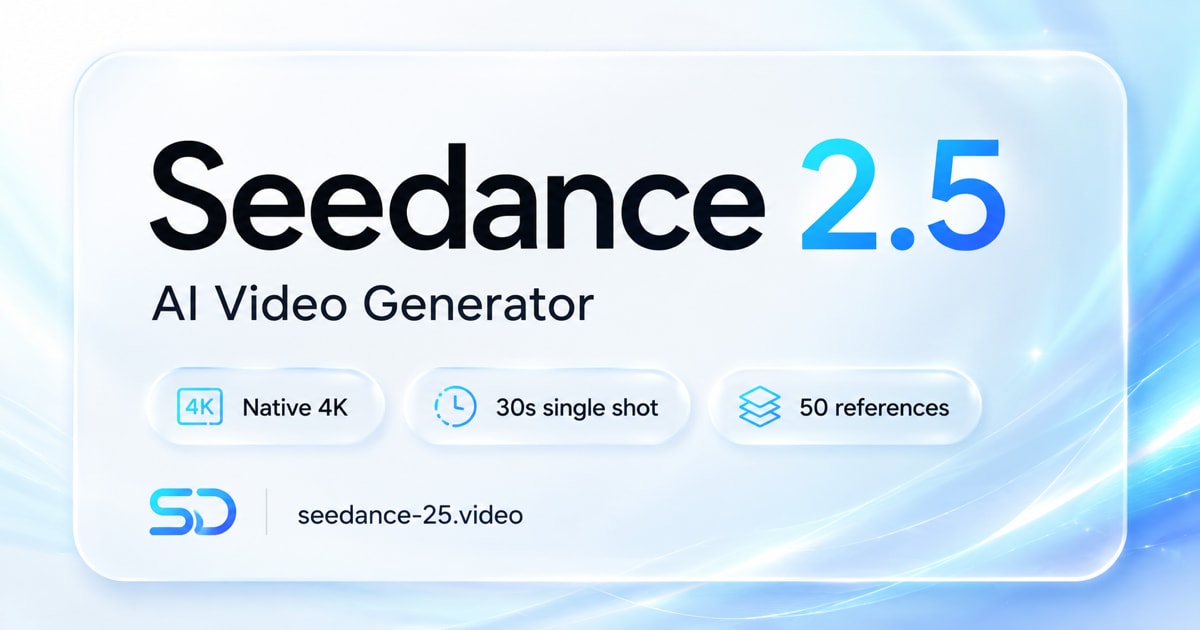
Artificial intelligence has transformed the way digital content is created. What started with AI systems generating text and static images quickly expanded to video generation, allowing users to create dynamic visual content from written descriptions, images, audio, and other media inputs. At the heart of this evolution are tools such as the Seedance 2.5 AI Video Generator, which represents the latest stage in the development of generated video technology.
To understand the importance of seadance video generator To take advantage of the technology, it’s helpful to first consider the broader field of generative AI and how AI-generated video is changing creative workflows.
Understanding generative AI
Generative AI refers to the field of artificial intelligence that creates new content based on patterns learned from large datasets. Unlike traditional AI systems that primarily focus on classification and prediction, generative models can generate original outputs such as text, images, audio, software code, and video in response to user prompts. These systems rely heavily on advanced neural networks and transformer-based architectures that became widely adopted in the 2020s.
The growth of generative AI has led to the emergence of a variety of creative tools that automate parts of the content creation process. Today, AI can help write scripts, create images, generate music, and increasingly sophisticated video production. However, this technology has also sparked important debates about copyright, authenticity, misinformation, and environmental impact.
The Rise of AI Video Generators
Video generation is one of the most technically demanding areas of generative AI. Creating realistic motion, maintaining character consistency, and synchronizing audio and visual elements requires far more complex calculations than producing a single image.
Text-to-video models work by converting natural language descriptions into moving visual scenes. Modern systems can also accept reference images, video clips, and audio files to guide the final output. Recent advances in diffusion models and multimodal architectures have significantly improved the realism and consistency of generated videos.
These capabilities expand the use cases for AI-generated video across education, entertainment, marketing, visualization, and prototyping. Rather than completely replacing traditional production, many creators are using AI tools as a way to experiment with ideas before committing to resource-intensive workflows.
What is Seedance Video Generator?
The Seedance video generator is part of a new generation of multimodal AI systems designed to create video content from multiple input types. Previous versions of Seedance introduced support for text-to-video generation, image-guided video creation, and multi-shot scene generation. The platform also focuses on improving quick comprehension, motion quality, and cinematic presentation.
One notable aspect of Seedance technology is its ability to combine different forms of media within a single production process. Depending on the implementation, users can provide text descriptions, images, video references, and audio elements to influence the final result. This multimodal approach helps create a more controlled and consistent output compared to previous AI video systems.
Research and industry reports highlight features such as audio and video co-generation, scene consistency, motion stability, and advanced editing capabilities as key developments in the Seedance ecosystem.
Seedance 2.5 AI Video Generator: What’s the big deal?
interest in Seedance 2.5 AI Video Generator has grown because it represents the expected next step in AI-powered video creation. According to the report, the model is expected to build on the multimodal foundations established in previous versions, while focusing on higher resolution output and faster generation speeds.
While details continue to emerge, the discussion surrounding Seedance 2.5 reflects broader industry trends. Users increasingly expect AI video systems to produce longer sequences, maintain visual consistency across multiple shots, and produce more realistic movement and audio synchronization.
These improvements are important because many current AI video models still face challenges such as:
- Maintain your character’s appearance throughout the scene.
- Handles complex camera movements.
- Generate realistic physical interactions.
- Maintain narrative continuity.
- Reduce visual artifacts.
future versions of AI video generator We aim to address these limitations while making professional-quality video creation available to a wider audience.
opportunities and challenges
The rapid development of AI video technology creates exciting opportunities for content creators, educators, filmmakers, and businesses. Tasks that previously required specialized equipment and large production teams can now be performed with relatively simple prompts.
At the same time, generative video technology poses significant challenges. Concerns have been raised about intellectual property rights, the creation of deepfakes, the unauthorized use of public figures’ likenesses, and the potential spread of misleading content. The industry debate surrounding AI-generated media continues as organizations seek appropriate safeguards and regulations.
Many experts also emphasize the importance of human oversight. AI-generated content can be great, but it requires careful review to ensure accuracy, ethical use, and creative quality. Discussions about generative AI are increasingly focused on balancing innovation and responsibility.
Looking to the future
The development of the Seedance 2.5 AI Video Generator highlights how rapidly generated video technology is evolving. The gap between concept and visual realization continues to shrink as AI models are able to understand text, images, audio, and movement simultaneously.
AI video generators demonstrate the growing influence of generative AI across the creative industries, whether used for storytelling, education, visualization, or experimentation. The future may bring higher quality output, faster production times, and more sophisticated control mechanisms, but ongoing debates about ethics, ownership, and authenticity will remain central to the adoption of this technology.
As the field advances, tools like Seedance serve as examples of how artificial intelligence is reshaping the video creation process and expanding the possibilities of digital expression.