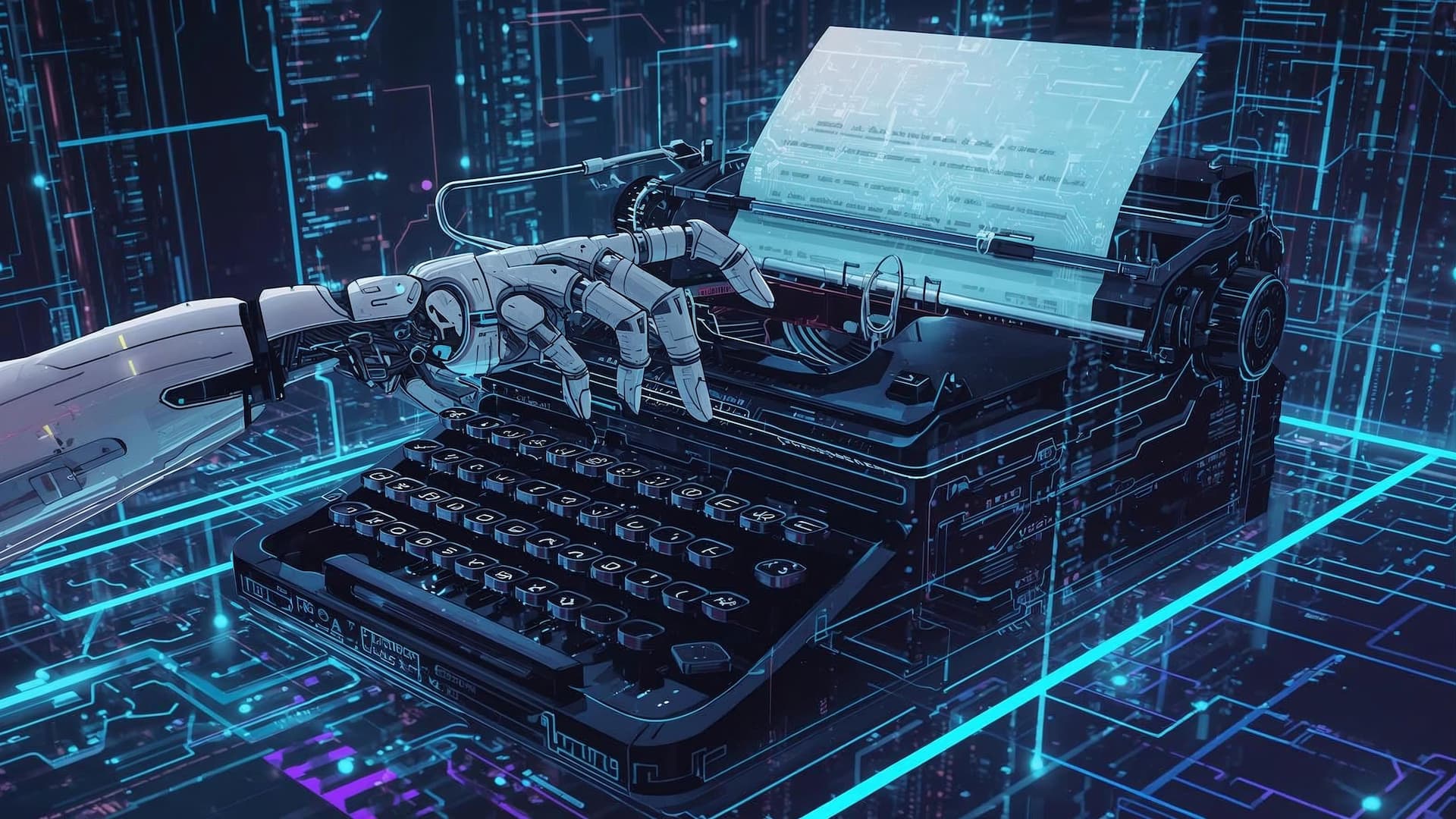
Long-established stylistic conventions are being reinterpreted as signals of automation, and writers are questioning how the human voice is currently judged.
Anxiety is growing among writers as AI tools reshape the way language is produced and recognized. Long-established conventions such as the use of em dashes and semicolons are being viewed with increasing suspicion as machine-generated text becomes more common.
The concern is not against AI per se, but rather the blurring of boundaries between human expression and automated output. Authors whose works were used to train large-scale language models without their consent say stylistic features developed over decades are now being mistakenly read as authorship of the algorithms.
Academic and editorial norms are also changing in response to this pressure. Educational practices that once valued rhythm, voice, and personal rhythm are increasingly challenged by stricter stylistic rules, sometimes framed as safeguards against sloppy or machine-like writing rather than a matter of taste or technique.
At the same time, productivity tools built into mainstream software continue to intervene in the writing process, offering substitutions and revisions that prioritize clarity and efficiency over nuance. Such interventions risk flattening language and inhibiting the specificity that defines human authorship.
As AI is incorporated into publishing, education, and professional writing, the discussion is shifting from detection to preservation. Many writers warn that it is essential to protect the diversity of human voices and styles, arguing that apathetic, uniform prose undermines creativity and credibility.
Want to learn more about AI, technology, and digital diplomacy? Then contact Diplo chatbot.