
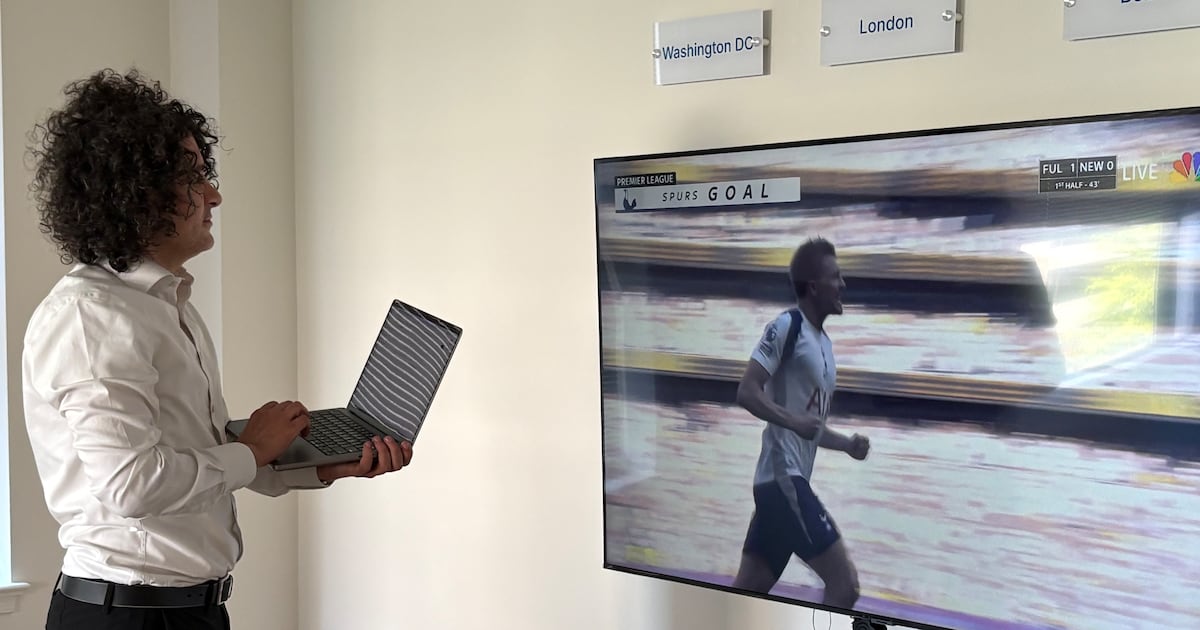
The 2026 FIFA World Cup will significantly increase the use of artificial intelligence among U.S. workers, a study finds.
According to the survey, 65% of respondents said they plan to use AI tools to supplement the time they spend watching World Cup matches during the week.
The survey, created by Pennsylvania-based technology company Qlik and conducted by Census Wide, also found that 90% of people said they were likely to watch a World Cup match while at work.
James Fisher, Qlik’s chief strategy officer, said the World Cup will be an unconventional test to see if AI lives up to the hype in terms of improving work efficiency.
“The World Cup’s arrival in North America is not just a cultural moment, it’s one of the first large-scale, predictable tests of whether AI can actually protect productivity when the workday is interrupted,” Fisher said. “Employees are already planning to use this to catch up, re-prioritize and get work done before and after the game.”
He added that managers who try to prevent employees from viewing face an uphill battle.
“Organizations that lead the way will not be those that clamp down on all distractions, but those that provide their teams with AI connected to the right data embedded in their actual workflows, so that it works not just under ideal circumstances, but when the workday is disrupted,” he said.
Qlik’s research also revealed which employees are most likely to watch the World Cup during work hours. Approximately 90% of people in the Millennial and Gen Z demographics plan to do so.
“They are also more likely to expect the use of AI to increase during tournaments, with 70% of Gen Z and 69% of Millennials saying so, compared to 56% of Gen
This analysis looked broadly at what kind of flexibility employees expect from their managers during the World Cup.
Thirty-eight percent said they expected their boss to let them watch a game during work hours “while expecting work to continue as normal,” and 27% said they “expect their employer to actively encourage flexibility through adjusted schedules.”
However, 15% said they expected significant restrictions and oversight from their bosses to ensure the World Cup did not become a distraction for workers.
Qlik and Censuswide research for this poll involved 2,000 U.S. respondents ages 18 and older.
At the last World Cup in 2022, the AI boom was still in its infancy. This tournament comes amid unprecedented AI investment and a wealth of apps easily accessible to billions of potential users.
Several teams have officially partnered with different companies and their respective AI products.
In May, troops in Iraq and Morocco announced Google’s Gemini as their official AI platform.
“This sponsorship leverages our cutting-edge AI technology to celebrate the region’s rich sports culture and transform the fan experience,” Google said in a blog post.
However, as expectations for the World Cup grow, public opinion polls in many countries show growing concerns about AI’s potential to cause labor disruption and unemployment, even as more consumers readily incorporate AI tools into their daily lives.
Meanwhile, technology companies are capitalizing on the excitement of the World Cup to enhance their current app offerings.
Apple recently announced that it would expand access to its free Sports app to 90 more countries and add the ability for users to track World Cup scores and news.


