
Jim Steyer
Founder – Common Sense Media
Jim Steyer, founder of Common Sense Media, has warned that AI could replicate and amplify the harms of social media for children, arguing that California’s new AI safety push for youth poses a danger as it could set standards that the UK ignores. AI and the risks it poses to children know no borders. The same chatbots that can cause children in the US to harm themselves or others are easily available to children in the UK. Our children need and deserve a coordinated effort to make AI safe for children and teens that rivals the power of the technology itself.
we have seen this movie before
Those of us who have lived through the rise of social media know what can happen when governments give technology companies permission to pursue innovation at all costs. For more than a decade, these companies have assured parents, teachers, and policy makers that their products are safe and even beneficial for children. But the industry continued to build platforms that kept kids staring at screens, scrolling incessantly, and unable to look away. The result was an unprecedented mental health crisis that an entire generation is still suffering from.
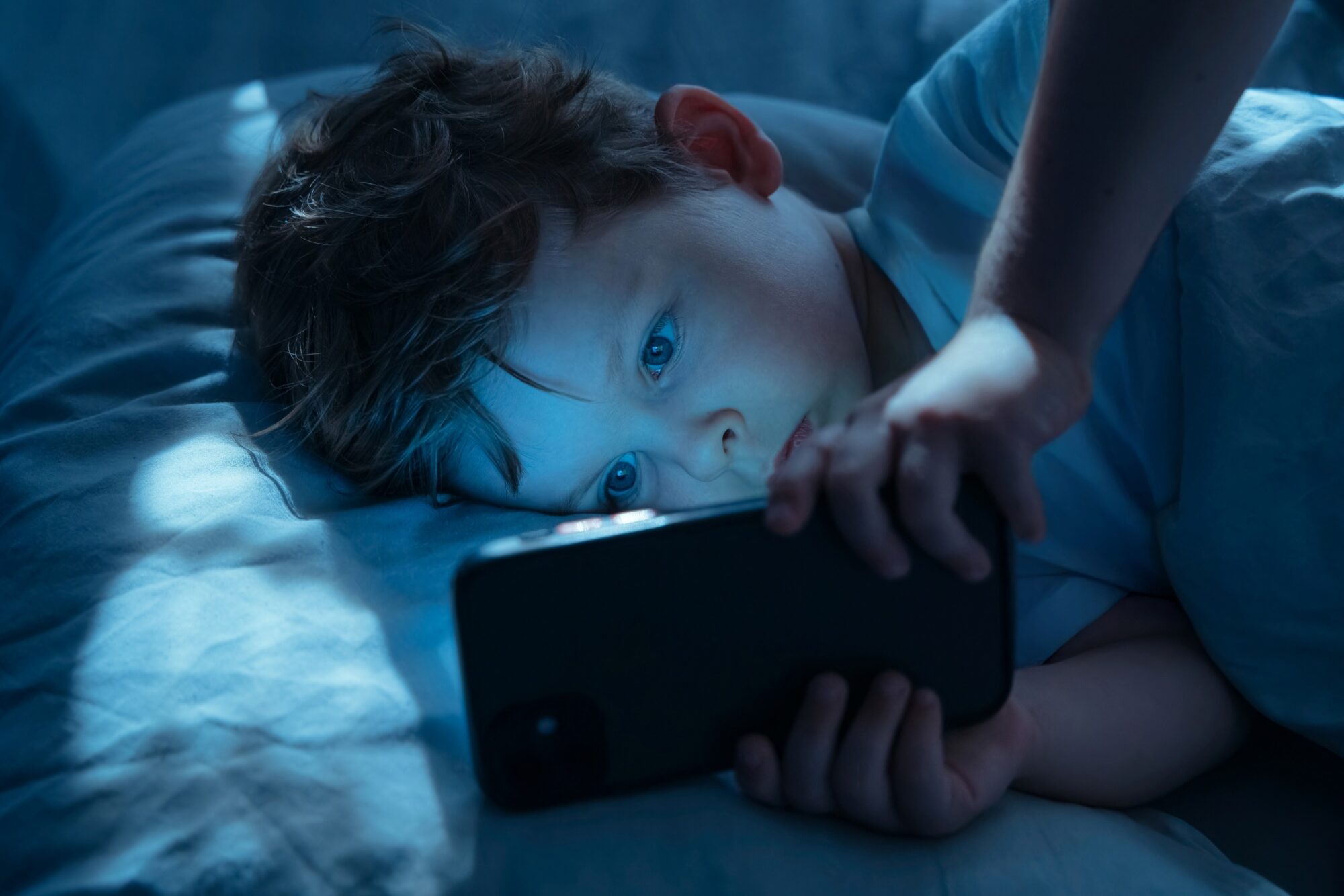
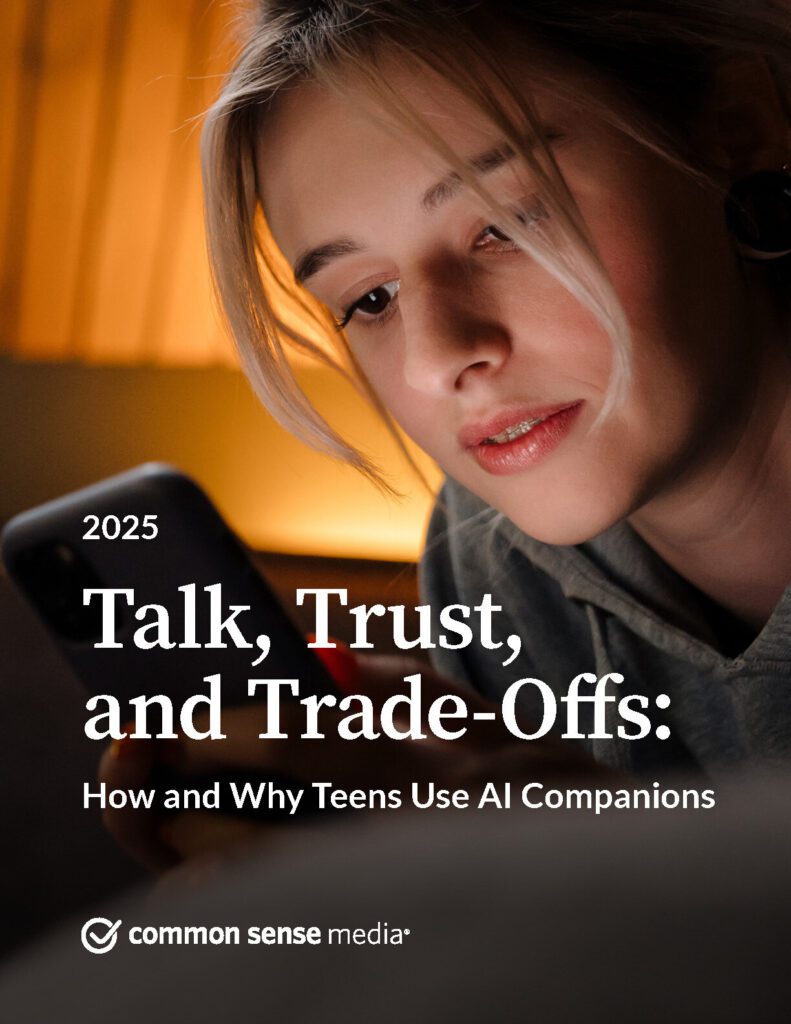
If we choose to repeat the past with AI, we risk repeating those mistakes on a larger scale. Unlike social media, AI products do more than just serve existing content to users. They converse, offer dodgy “advice,” and in some cases present themselves as friends, confidants, and even romantic partners. This risks blurring the lines between connectivity and code, between fact and AI-generated fiction in developing young minds. Nearly three in four teens already use an AI companion chatbot, but research shows it’s not safe for people under 18.
California leads the way
As this crisis grows too big to ignore, lawmakers, advocates, and even some in the tech industry have decided to take action, perhaps most notably in California, the heart of the AI industry. Last year, we helped pass landmark age guarantee laws in California and social media warning label laws in New York and California. In October, we proposed a ballot initiative called the California Kids AI Safety Act to build on our successes in 2026 to prepare and protect children for the age of AI. In December, OpenAI filed a competing initiative to block our efforts.
We refused to let it stop. Eighty to 90 percent of California voters, regardless of party affiliation, want stronger AI protections for our children, so we have a responsibility to make it happen. Rather than confuse voters with competing policies, we decided to work together to enact strong protections for children, teens, and families.
So Common Sense wrote, OpenAI agreed to support the Parents & Kids Safe AI Act. If enacted, this would be the strongest youth AI safety measure in U.S. history. At a critical time for AI, we cannot afford to make the same mistakes that companies made on social media, using our children as guinea pigs and helping fuel a youth mental health crisis in the United States and around the world. Kids and teens need AI guardrails now. That’s why we will pursue every avenue available to us to see this through, whether it’s through the state Legislature or through direct votes from Californians at the polls. We hope that when California takes action, the world will take notice.
What the Safe AI for Parents and Children Act will do
The California AI Safety Initiative is a comprehensive plan to protect children and youth. The measure would require AI companies to know whether a user is a child and respond accordingly. Privacy-protecting age-guaranteed technology ensures that AI operates in child-protective settings for anyone under 18.
This initiative sets clear boundaries when dealing with young users. The law prohibits AI companies from targeting children with ads or monetizing their personal data, prohibits AI systems from producing material that promotes suicide or self-harm, and cracks down on AI systems that manipulate children by fostering emotional dependence or pretending to be “real.”
This measure not only requires robust safeguards for children, but also gives parents substantial agency in keeping their children safe. Under the Parent-Child Safety AI Act, companies must provide easy-to-use parental controls and parental alerts if a child shows signs of self-harm. In a digital world where parents have long been left on the sidelines, this move is an important step toward course correction.
Finally, this initiative introduces something that has long been missing in the AI industry: accountability. Companies would be required to undergo independent safety audits and conduct annual risk assessments, and state attorneys general would have the power to hold companies financially accountable if they fail to meet these obligations. All other products for children, from toys to car seats to pajamas, must meet strict safety standards before they can hit store shelves. AI should be no exception.
Why it matters beyond California
AI safety for young people is overwhelmingly popular with voters across the political spectrum, and not just in California. We will enact the Parent-Child Safety AI Act in our state, not only to protect more than 8 million children, but also to set an example for governments around the world. When one major jurisdiction sets strong and effective rules, other jurisdictions are more likely to adopt them. Companies don’t tend to build completely different systems for each market. So if children in Los Angeles are protected from dangerous AI chatbots, there’s a good chance that similar protections will reach children in London.
The window to resolve this correctly is narrow. AI is advancing faster than any technology in our lifetimes, and young people are among the earliest and most enthusiastic adopters of AI. Leaders on both sides of the Atlantic have a shared responsibility to ensure that technology empowers, rather than endangers, the next generation. We all have a responsibility to build the digital future our children deserve.

This article is published in a new edition ChamberUK. This is our parliamentary diary.
You can purchase a copy here.
Photo credit: Shutterstock