
Short form creators have never had so many AI video tools to choose from, and never been so confused about which ones are actually worth using.
KlingVeo, Runway, Hailuo, and other AI video models are all vying for attention as creators look for ways to create TikToks, Instagram Reels, YouTube Shorts, and UGC-style content faster.
However, raw video quality is only part of the equation.
For creators who publish content on an ongoing basis, the big questions often revolve around workflow. Which platform makes it easy to turn your ideas into short, publishable videos quickly and efficiently?
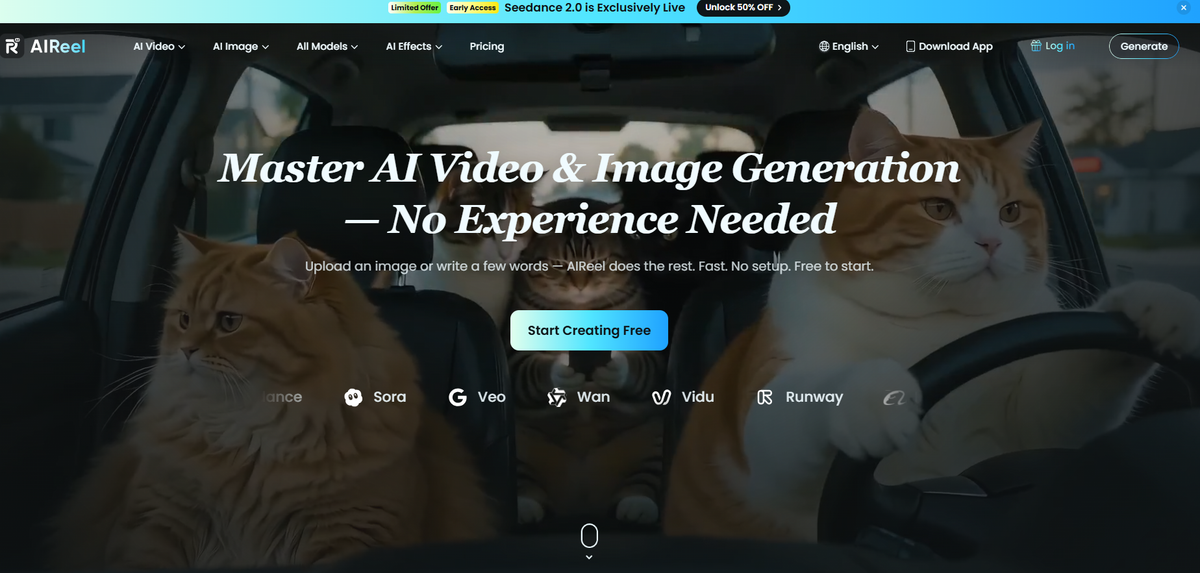
As the AI video space evolves, platforms are starting to adopt different approaches. Some focus on cinematic production quality, while others prioritize editing flexibility, speed, or creator-focused simplicity. Multi-model platforms like AIReel are also emerging as an alternative approach by incorporating multiple AI video tools into a single platform designed for content creation.
This shift is gradually changing the way creators approach AI-generated video production in 2026.
The AI video market is changing faster than most creators can keep up

The pace of AI video development is becoming impossible to ignore.
New models are announced almost every month, each promising more realistic movement, faster understanding, faster rendering, or improved cinematic quality. What started as an experimental AI clip quickly evolved into a competitive ecosystem aimed directly at creators and marketers.
But for short-form creators, technical quality alone rarely determines whether a tool becomes part of their daily workflow.
Creators who create TikTok, Reels, Shorts, or paid social ads typically consider different priorities, including:
- speed
- Ease of use
- consistency
- Vertical suitable output
- fast iteration
- Simple editing
Consistent release is often more important than producing the perfect movie sequence.
This distinction is becoming increasingly important as AI video tools continue to mature.
Kling became known for his cinematic realism
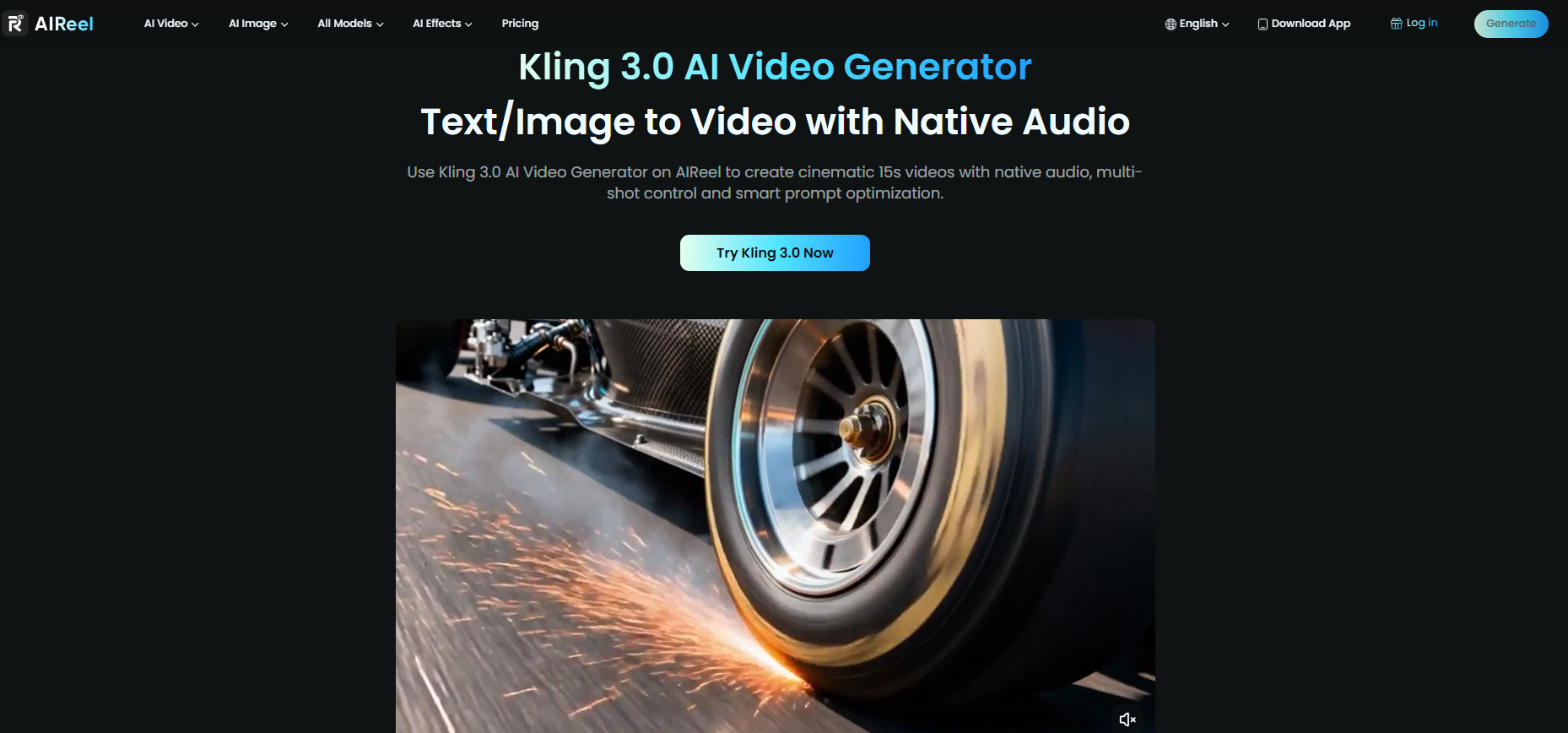
Among AI video models, Kuaishou’s Kling platform has attracted attention for its realistic movements and cinematic look generation.
Many creators use Kling to:
- storytelling clip
- dramatic visuals
- fashion editing
- stylized sequence
- cinematic camera movement
Compared to previous generations of AI video tools, Kling output often looks smoother and more visually polished.
On the downside, Kling renders slower than lightweight social-centric tools and requires detailed prompts to avoid motion inconsistencies, but this is an important tradeoff for creators with tight daily schedules.
At the same time, cinematic quality is not necessarily the primary goal for short story creators.
Creators who publish multiple social videos per day may prioritize speed and volume over highly polished output. On rapidly changing social platforms, the ability to quickly test hooks, trends, and formats can be more important than operational level realism.
This tradeoff explains why different AI video platforms continue to interest different types of creators.
Veo prioritizes instant compliance and control
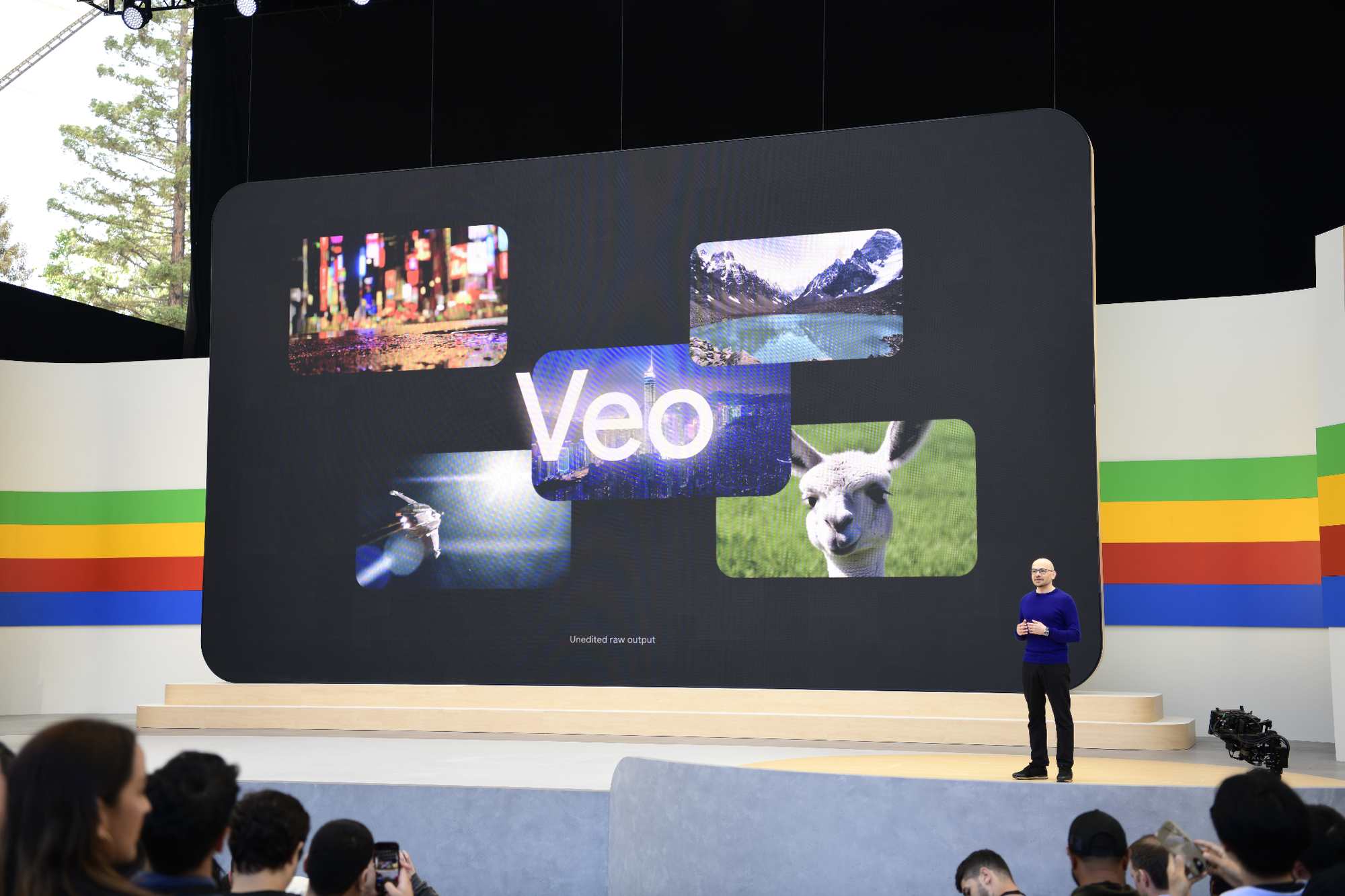
Google’s Veo model has attracted attention for its strong instant compliance and ability to produce longer and more consistent sequences than many competitors.
Creators working on short-form, concept-driven content, such as brand narratives, product demos, and multi-shot storytelling, may find Veo useful as it allows them to follow detailed scene descriptions and maintain object persistence across the frame.
Veo also supports video generation at resolutions and aspect ratios suitable for vertical platforms.
However, Veo availability is still limited compared to other models. Access is primarily through whitelisted platforms or waitlists, which prevents many short-form creators from incorporating it into their daily workflow.
Runway continues to appeal to more advanced creative workflows
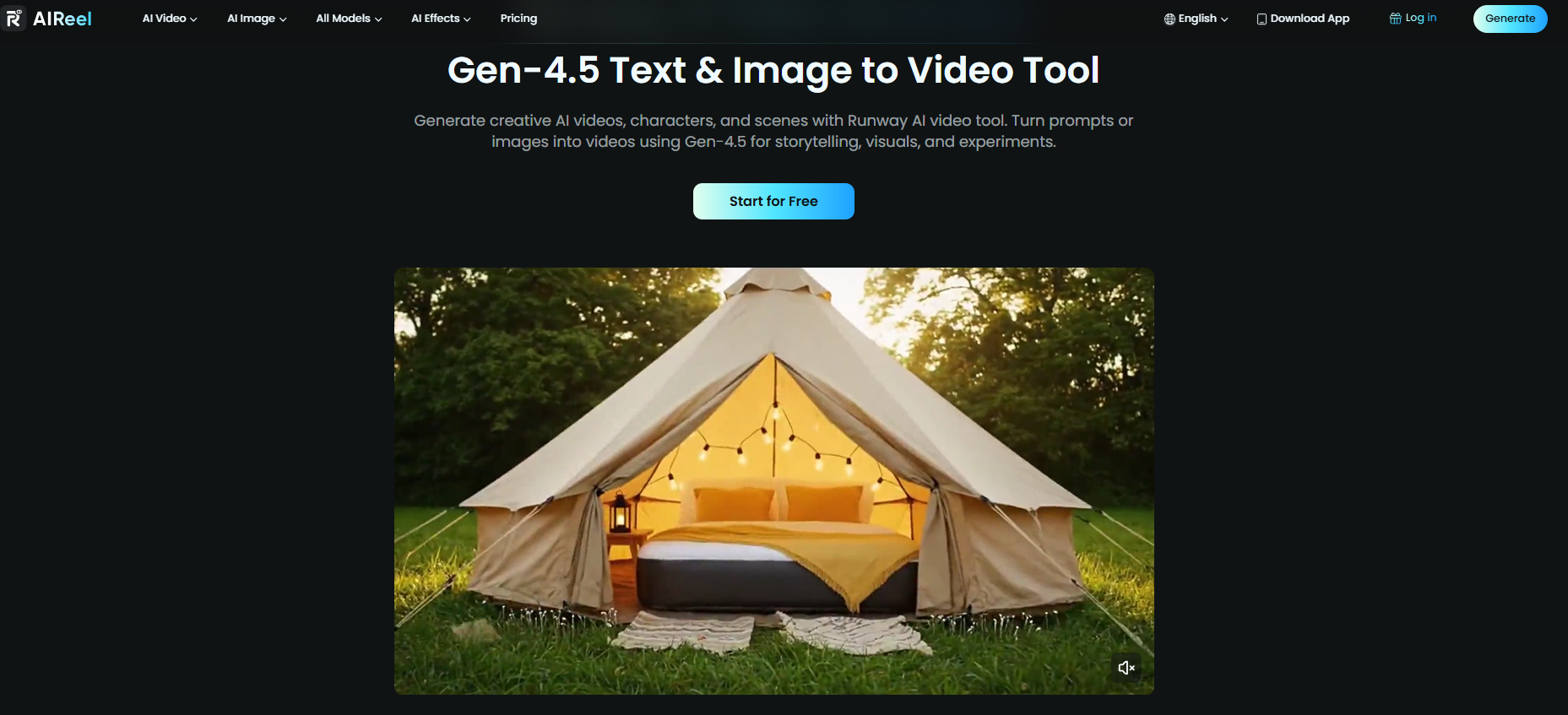
Runway continues to be one of the best-known names in AI video due to its extensive creative toolkit.
Unlike lightweight generation-focused apps, Runway includes editing-focused features that will appeal to filmmakers, agencies, designers, and creators who want more control over their visual output.
That flexibility can be valuable for longer-form storytelling and more advanced production workflows.
However, some short-form creators prefer tools with simpler interfaces and faster generation cycles, especially when creating large amounts of social content quickly.
As AI video adoption increases, the market is gradually splitting into:
- Professional creative workflow
- Fast publishing workflow focused on creators
Both categories continue to evolve rapidly.
Hailuo AI focuses on speed and accessibility for social-first creators
MiniMax’s Hailuo AI is gaining traction among short-form creators who prioritize rapid iteration over cinematic sophistication.
Hailuo generates clips quickly (often within a minute) and its minimally prompted interface reduces friction when testing multiple hooks and trend-based concepts. This model reliably handles stylized animation and meme-style content, making it suitable for the fast-paced nature of TikTok, Reels, and Shorts.
The trade-off is clear. Hailuo generally has lower texture detail, less realistic motion, and more frequent artifacts than Kling and Veo. It’s not designed for high-end storytelling or commercial-grade realism. Creators who require precise camera control and frame consistency will likely find Hailuo limited, while creators who value volume and speed may find the trade-off acceptable.
The “best” AI video platform is up to the creator
There is probably no single AI video platform that works perfectly for all creators.
Filmmakers creating cinematic scenes may value realism and camera movement above all else. Performance marketers may value rapid iteration of advertising. TikTok creators may prioritize speed, vertical format, and adapting to trends.
As a result, different tools have become associated with different use cases.
- Kling for cinematic visuals
- Runway for advanced editing workflows
- Hailuo for fast social content
- Multi-model platform for workflow flexibility and accessibility
As the AI video industry matures, its diversity is likely to continue.
Rather than one dominant platform replacing the other, creators are increasingly combining multiple AI tools depending on the type of content they create.
conclusion
As AI video models continue to improve, the discussion is changing beyond just raw production quality.
For many creators, speed, simplicity, and workflow efficiency have become as important as cinematic output, especially when producing TikTok, Reels, Shorts, and social ads at scale.
The increased focus on creator workflows is also helping platforms like AIReel gain traction by integrating multiple AI video tools and short-form format creation capabilities into one platform.


