
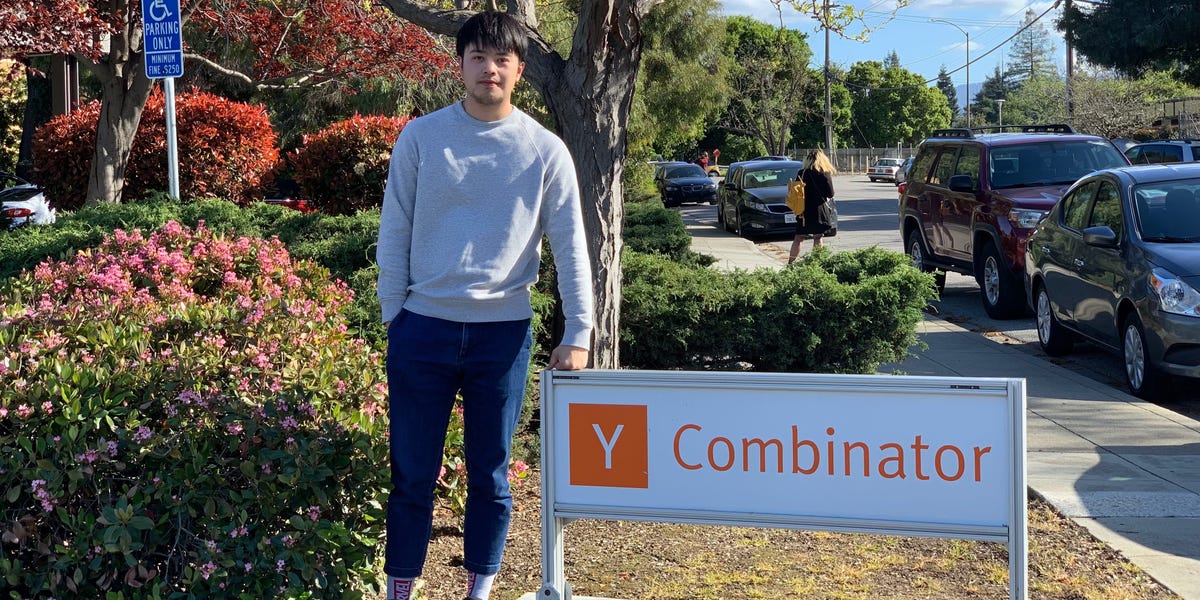
This told essay is based on a conversation with Xiankun Wu, CEO and co-founder of Kuse, an AI-powered visual workspace headquartered in San Mateo, California. The conversation has been edited for length and clarity.
In the near future, we may see workplaces populated by AI employees, just like non-player characters.
AI can handle repetitive tasks, allowing people to spend more time on creative tasks.
Earlier this year, things changed because of OpenClaw. AI has become more autonomous and customized. The AI employees created by OpenClaw understand your company and your employees, so they can assign tasks even to humans.
When you see an AI assigning tasks to you, the relationship changes. I feel like we are real colleagues.
I think AI employees can now do around 60% to 70% of the work. Efficiency has improved dramatically. It’s an experience you can’t go back from.
Deploy OpenClaw to your workspace
OpenClaw caused a lot of problems for us in early January because it was designed for personal assistants. It wasn’t for a team, it was for one person.
Here’s what that means: When you connect AI to your company data, you’re sharing everything with anyone who asks a question. For example, if you have access to financial data, anyone can ask for and receive that information. That is unacceptable as a company.
That’s why we’ve changed the structure and architecture of OpenClaw to suit your company’s and team’s settings. AI created by OpenClaw Employees can now understand roles, privileges, and relationships: who is who, what each person’s job is, and what they are allowed to know. If someone doesn’t have permission, the AI won’t share that information.
Kuze has approximately 20 employees. As the system has matured, we’ve found it to be very useful to our teams. It felt like a completely different company. Now you can do many things at once.
AI works 24/7 to constantly identify work that can be done. Everything we communicate is processed and asked, “How does this impact my business?” What should I do next? What improvements should be made based on user feedback?
AI employees can work 24/7, humans can’t
As humans, we need rest. Particularly in East Asian cultures, people can feel overwhelmed and feel like they have to solve problems before they can rest.
So we created a Slack channel called “For Humans Only.” AI is not allowed there because there are AI employees in almost every channel within the company.
We provide a space where you can take a break and casually chat. Otherwise, even random messages will trigger the AI to generate tasks.
For example, if you share a random link, a human employee probably won’t see it and say anything, but the AI will say, “This is important information. We can do something based on this new information. We can do A, B, C, and D.”
This is what I thought. “Okay, maybe I should, but I still have a thousand other things to do.”
In a world where jobs and employees have unlimited time, task prioritization becomes an even more important skill. There are many things you can do. You have to decide what’s most important, even if you can ultimately do 3x or even 10x more. If you don’t, you’ll get tired.
AI employees can help us do our jobs better
Initially, the team was scared. AI employees can do many things that humans used to do. People were worried that they would be replaced.
But after working with AI employees, I felt strongly that they would enhance our capabilities rather than replace us. They help you focus on your core strengths rather than repetitive tasks.
They ask us, “What is my real expertise?” What is my true contribution to this company, industry, and world?
Human employees need to enhance their ability to communicate with real people. In the future, building relationships of trust between people will become even more important.
Do you have a story to share about Asian technology? Contact this reporter at: cmlee@insider.com.