

The Department of Veterans Affairs is expanding its use of artificial intelligence while also rescinding dozens of previous initiatives, signaling a more targeted approach as the agency aligns artificial intelligence deployment with suicide prevention priorities and modernizing electronic health records.

VA’s evolving AI strategy mirrors broader federal healthcare modernization discussions at the Potomac Executives Club. 2025 Healthcare Summit on Thursday. Register now Hear from leaders from the Veterans Health Administration, Defense Health Agency, and Federal EHR Modernization Agency about how AI, data, and digital platforms can improve patient safety, clinical workflows, and enterprise health systems.
How is the Veterans Administration applying AI to suicide prevention?
VA’s 2025 AI Use Case Inventory, released in January, includes continued use of the Recovery Engagement and Coordination for Health-Veteran Enhanced Treatment (REACH VET) program, Nextgov/FCW reported Friday.
First introduced in 2017, this predictive model identifies veterans at highest risk of suicide and supports targeted outreach and early intervention. The VA released an updated version of the model last year that incorporates additional risk factors, such as military sexual trauma.
The Department of Veterans Affairs also unveiled a new pre-deployment initiative focused on analyzing Veterans Crisis Line call data. This effort evaluates acoustic and verbal indicators to identify imminent suicide risk and evaluate the effectiveness of crisis interventions.
How will VA address AI risks?
As VA deployment expands, patient-facing AI oversight will continue to be a focus. In a report released last month, the VA Office of Inspector General warned that the Veterans Health Administration lacks formal mechanisms to identify and resolve risks associated with generative AI in clinical settings. The watchdog raised concerns about patient safety due to the lack of standardized risk management processes.
In response to the report, the VA told Nextgov/FCW that the AI tools are being used solely as a support system and that clinical decisions remain the responsibility of VA staff.
What role will AI play in EHR modernization?
The inventory also highlights how VA is positioning AI to support electronic health record modernization efforts.
VA will resume federal EHR deployment at 13 facilities, ending a hiatus that began in 2023. The program had been discontinued to address persistent usability issues and strengthen patient safety protocols. VA’s AI strategy, released in October, says early AI use cases will inform how the technology will ultimately be integrated into new EHR platforms.
This inventory includes five AI initiatives led by the Office of Electronic Health Records Modernization. This includes pre-deployment efforts including clinical AI agents designed to reduce administrative burden by assisting with documentation and workflow management during patient visits.
How does the introduction of AI fit into VA’s broader modernization drive?
VA’s AI implementation is proceeding in parallel with major investments in healthcare infrastructure. The department recently announced plans to invest $4.8 billion in fiscal year 2026 to modernize and rehabilitate health care facilities across the country. $1 billion of that will be allocated to EHR modernization.
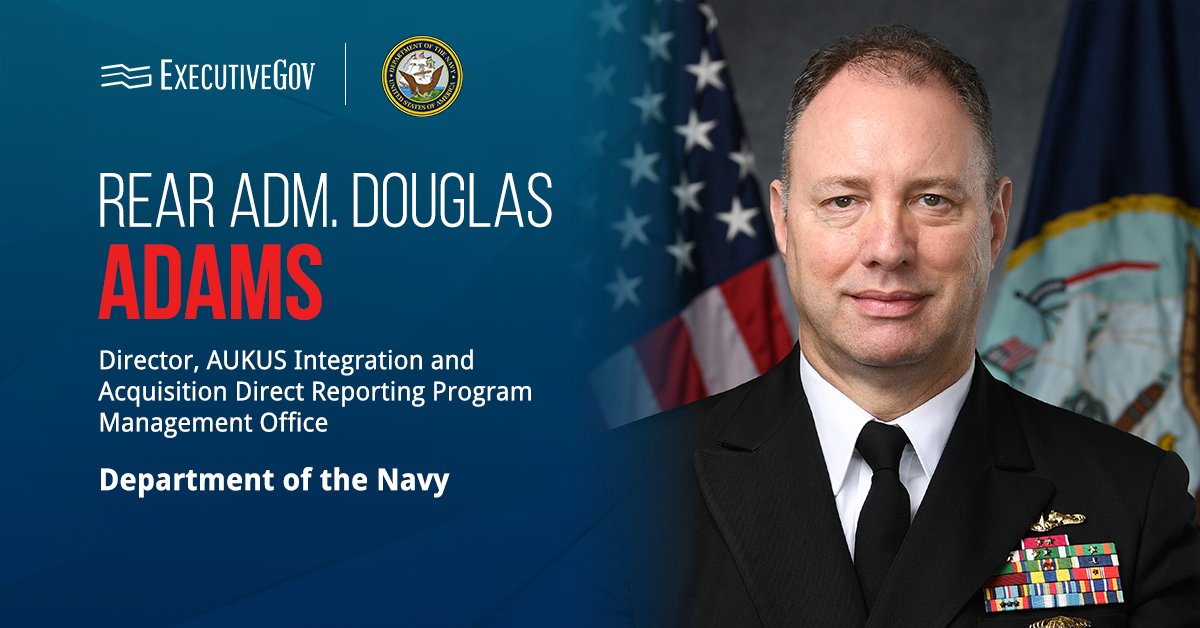
Rear Adm. Douglas Adams has been appointed director of the AUKUS Integration and Acquisition Direct Reporting Program Administration Office (AUKUS I&A) within the Department of the Navy. The appointment comes as the Navy continues to address evolving undersea priorities and strengthen defense cooperation with international partners. The broader theme of maritime strategy and partnerships will remain a top priority for the entire defense community ahead of the Potomac Officers Club’s 2026 Naval Summit. Register now for the August 27th event. Naval Sea Systems Command announced Monday that Adams will replace Rear Adm. Richard Seiff, who previously served as director.
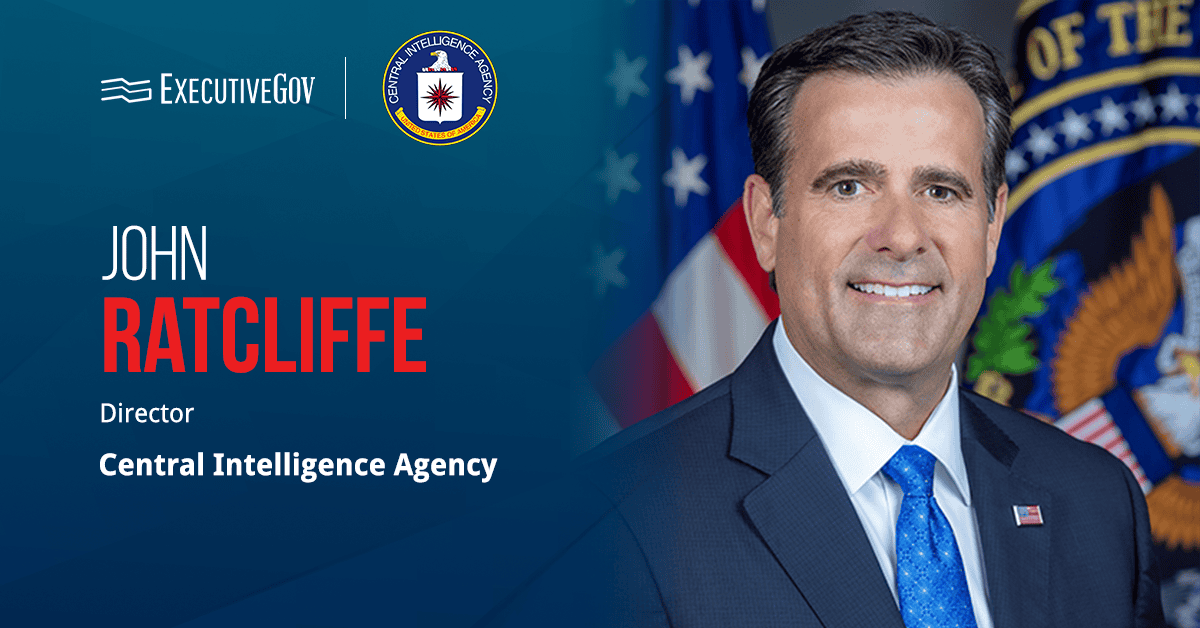
The CIA has launched an acquisition framework aimed at accelerating collaboration with U.S. technology companies and quickly bringing new capabilities to life. These developments are shaping broader conversations throughout GovCon as federal intelligence agencies continue to adjust how they engage with industry. Reserve your seat at the Potomac Officers Club’s 2026 Intel Summit on September 24 and join government and industry leaders as they consider priorities and trends impacting the intelligence community. What is the scope of the CIA Acquisition Framework? The CIA said on Monday that the new Acquisition Framework:
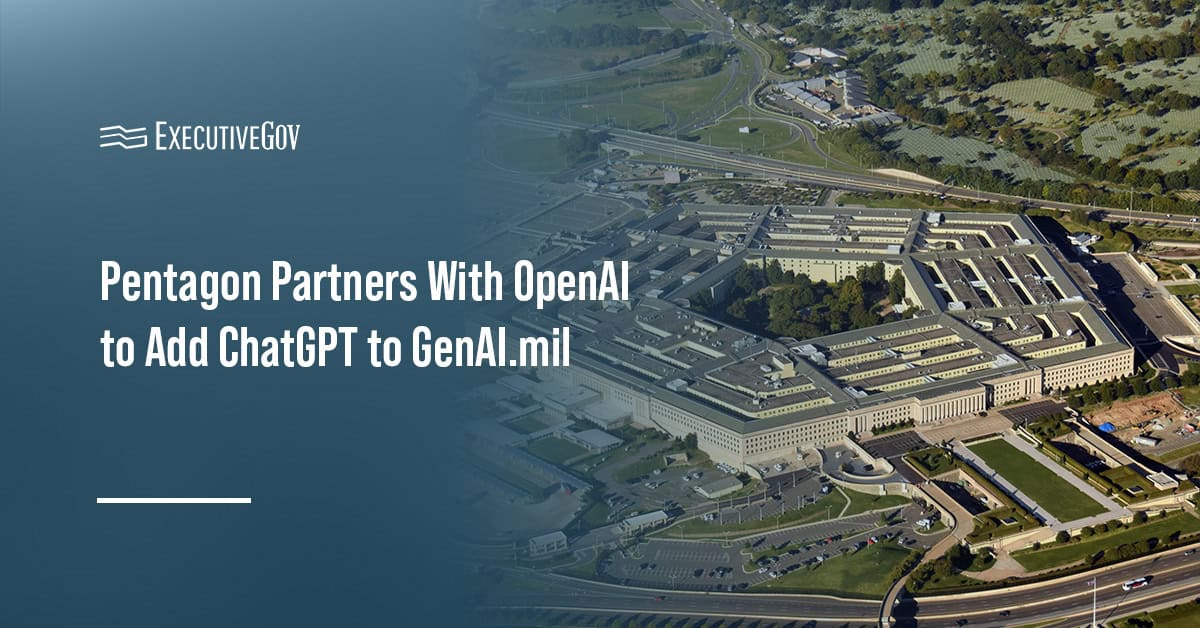
The Department of the Army has partnered with OpenAI to integrate ChatGPT into its enterprise artificial intelligence platform, GenAI.mil, as part of an effort to expand access to large-scale language models (LLMs) for personnel across the department. The Department of the Army’s move to expand access to enterprise AI through GenAI.mil highlights the growing role of artificial intelligence across the Commonwealth. That broad momentum will be reflected in the Potomac Officers Club’s 2026 Artificial Intelligence Summit on March 18th. Register now to join the conversation at this OpenAI-powered event. DOW said on Monday that the partnership will make OpenAI’s advanced LLM available.


