
The widespread belief that as artificial intelligence develops, it will consume fewer resources is actually a huge misconception.
Azel News I will report it.
Hopes that increased efficiency of AI will reduce energy and resource consumption have been overturned by recent environmental findings, according to a new report published by the United Nations and cited in international media. The report suggests that the impact of artificial intelligence on the environment is increasing at a much faster rate than expected.
Experts explain this trend through the so-called “Jevons paradox.” The idea is that greater resource efficiency lowers costs, often leading to an increase in total global consumption rather than a decrease.
The United Nations predicts that the pressure on global resources from AI could increase significantly in the near future. By 2030, energy consumption from artificial intelligence is expected to double and reach around 3% of global electricity demand.
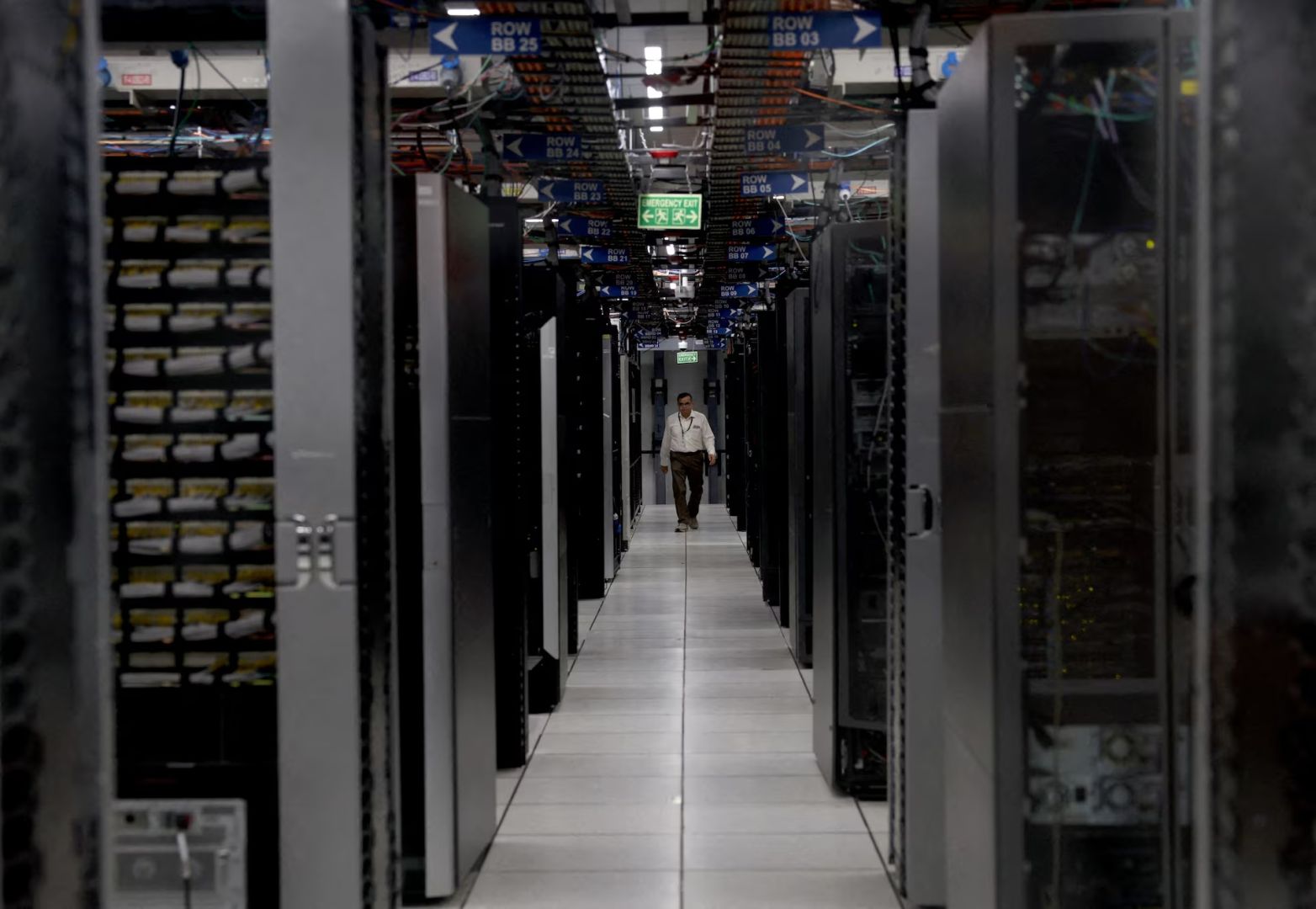
This consumption is equivalent to the UK’s carbon footprint. Even more alarming, the report warns that the amount of water used to cool data centers could exceed the annual drinking water needs of the world’s population.
Considering that data centers already consume as much electricity as countries like Saudi Arabia, the expected growth suggests a dramatic increase in demand. By some estimates, offsetting this increase would require resources equivalent to billions of trees grown over 10 years and an area nearly 10 times the size of Mexico.