GENEVA, Switzerland (Reuters) – Advances in artificial intelligence are outpacing scientific understanding and government policy, and there is no guarantee that the technology will not cause catastrophic harm, an independent United Nations panel warned on Wednesday.
Policymakers face a growing dilemma, according to a preliminary report by the United Nations’ Independent International Scientific Panel on Artificial Intelligence. Robust evidence is needed to effectively regulate AI, yet such evidence is struggling to keep up with the rapid evolution of the technology.
“AI’s capabilities exceed both scientific understanding and governments’ adaptive capacity,” said Yoshua Bengio, co-chair of the panel of 40 cross-regional experts.
“With increasing evidence of deceptive behavior in AI, science cannot currently guarantee that even as AI continues to improve its capabilities, it will not cause catastrophic harm, either caused by itself or by malicious users.”
Billed as the world’s first independent assessment of the risks and opportunities of AI, the report aims to provide governments with an up-to-date assessment of the science to guide decision-making as they deal with rapidly evolving systems.
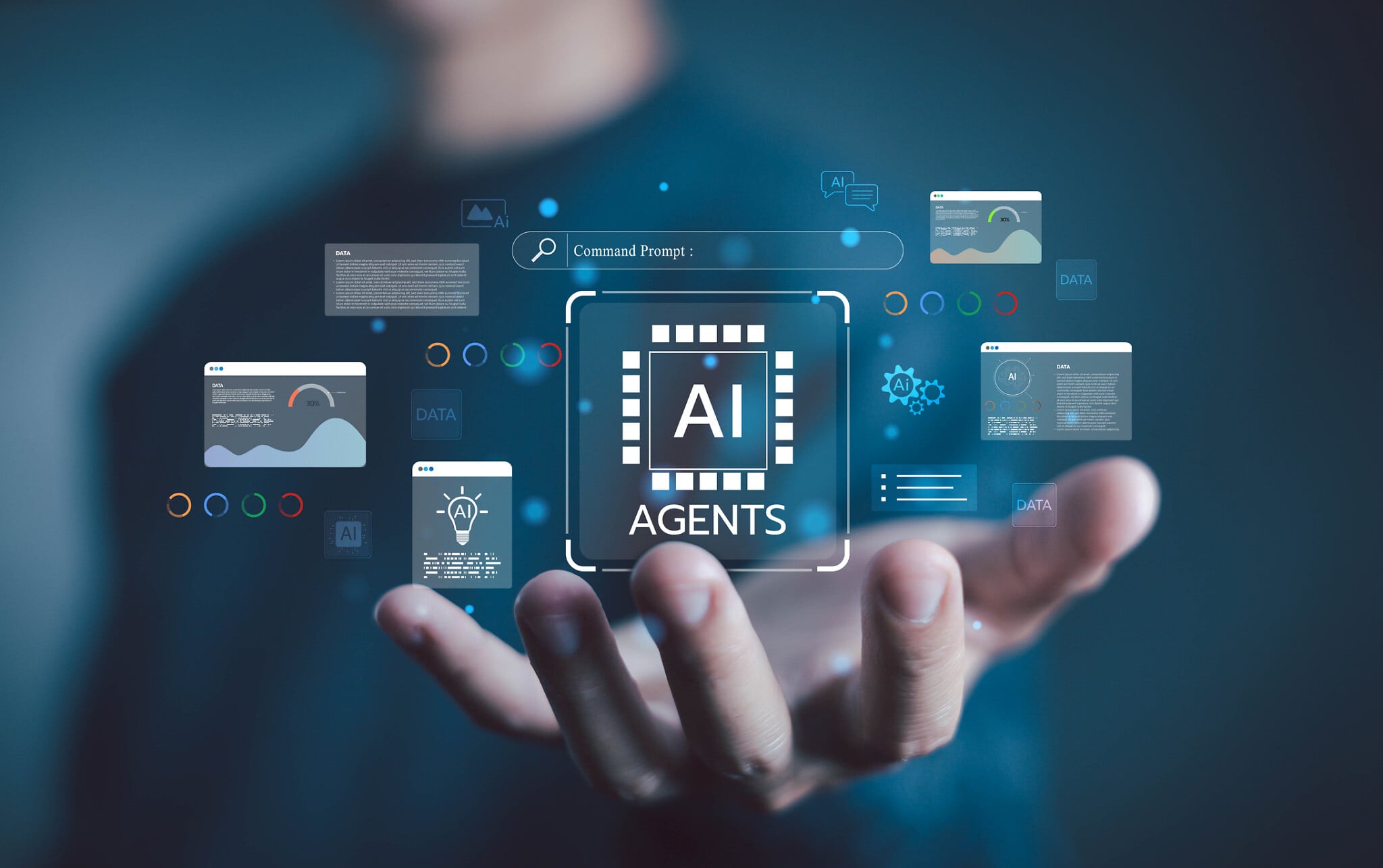
In the short term, we expect a shift to agent-like AI systems capable of performing real-world tasks, but a lack of energy and high-quality data may limit growth. Over time, we predict that self-improving AI will become more deeply integrated into the economy and merge with technologies such as quantum computing and biotechnology.

Agent AI is developing rapidly
The report says AI has already demonstrated expert-level reasoning in mathematics and science, is accelerating the development of medicines and vaccines, and the complexity of its tasks is doubling every four to seven months, potentially allowing systems to complete tasks that would take humans days to weeks.
While this could have significant economic benefits, it remains unclear whether increased productivity through the use of AI will lead to broader growth or impact employment.
The panel also outlined various safety concerns, including the risk of losing control as AI systems become more autonomous and deceptive.
AI is already being used to generate misinformation and other harmful content, and can be exploited for fraud, cyberattacks, and biological threats.
Governance remains fragmented, and many countries lack the capacity to evaluate or shape advanced AI systems, leaving them dependent on technologies they cannot fully understand or control. Existing safety tools often rely on limited test data disclosed by companies, the report said.
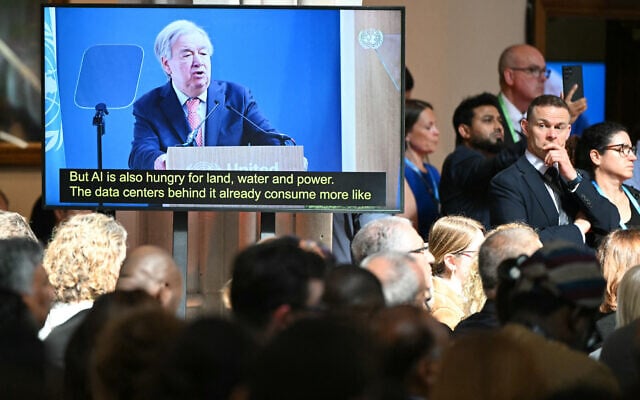
UN Secretary-General António Guterres called on governments to act quickly.
“The world cannot govern what it does not understand,” Guterres said in a statement.
“The possibilities are great, but the risks are real and the costs of waiting are rising,” he added.
Global political and technology leaders joined the United Nations Digital Technology Agency on Wednesday to announce the creation of a new commission to address the development of AI amid growing concerns about the potential risks.
The AI for Good Global Commission will be co-chaired by Rwandan President Paul Kagame and Salesforce CEO Marc Benioff, according to a strategy briefing document posted on the commission’s website. ITU Secretary-General Doreen Bogdan-Martin will be the permanent vice-chair. Other United Nations agencies are also expected to participate.