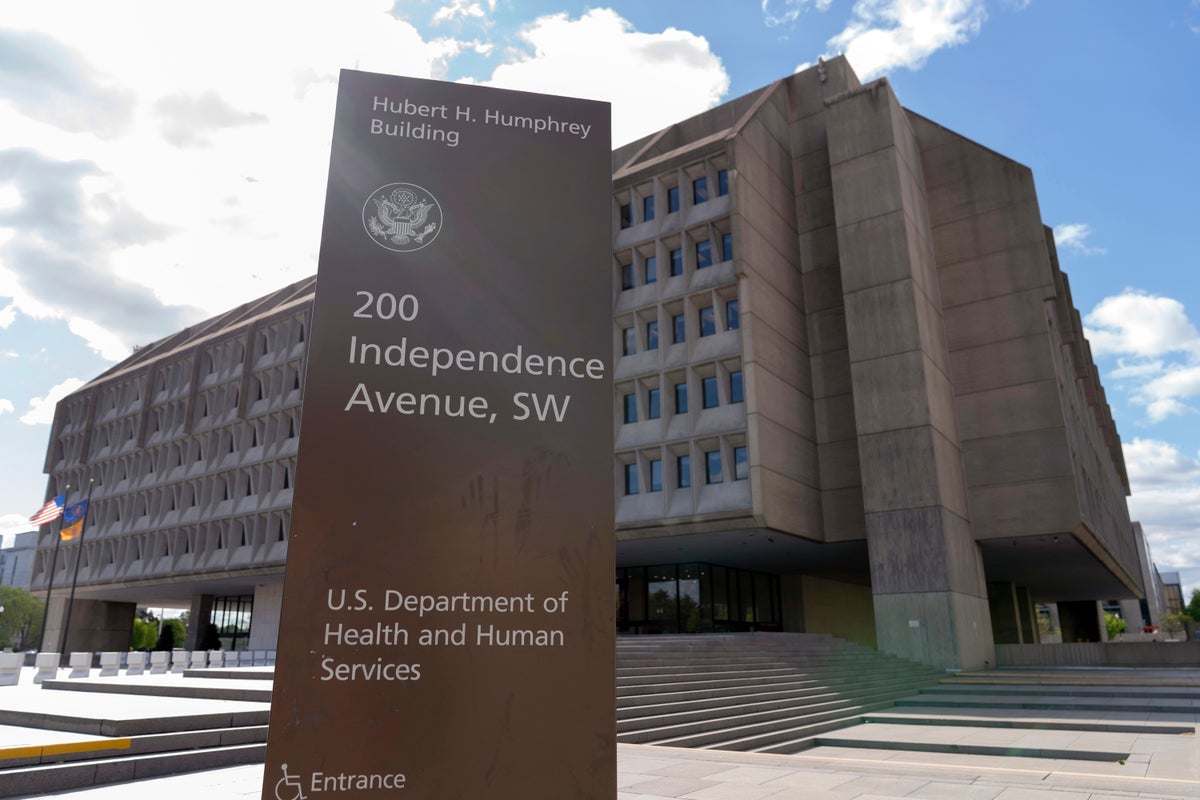
The U.S. Department of Health and Human Services announced Thursday it will increase its use of artificial intelligence to monitor how states and other federal health care recipients audit their programs. The move is aimed at reducing the risk of fraud and saving the government money.
Gustav Chiarello, assistant finance secretary who is leading the new program, said the department will use ChatGPT and other AI tools to continually analyze audit reports from all 50 states.
“This is classic big government. Everybody requests an audit, it ends up being unfair, and nobody does anything,” Chiarello said in an interview. “Here, we can use AI to drill down into that.”
The move builds on the department’s adoption of generative AI to examine state Medicaid programs, automate administrative tasks and edit text. AI tools can be a powerful help in finding patterns and problems across large documents, but critics say they should be used cautiously by governments because they frequently make mistakes and can introduce unintended bias.
In recent months, the Trump administration and Vice President J.D. Vance’s Fraud Task Force have been pushing ahead with efforts to crack down on fraud in areas such as the Medicaid and Medicare programs and student loan applications. Federal Trade Commission Chairman Andrew Ferguson recently told Fox News that these efforts include using AI technology to alert companies to potential fraud.
States, local governments, nonprofit organizations, and institutions of higher education that spend at least $1 million or more in federal funds annually are required to submit annual audits. The new effort will use AI to analyze audits of HHS-funded programs, including state Medicaid programs and federal grants for research and addiction services, Chiarello said.
Recipients who do not submit required reports or resolve issues with reports may face loss of money.
Critics have blasted the administration’s anti-fraud efforts, noting that most of them target Democratic states, sometimes reflecting a tendency to attack first and gather facts later. The administration admitted to The Associated Press on at least one occasion that there were significant errors in the data it used to justify the New York Medicaid fraud investigation.
Asked about safeguards against mistakes made by AI tools, Chiarello noted that the agency evaluates public reports rather than revealing new information. He said these tools are intended to make grantees better stewards of federal funds.
The department said it has sent letters to governors and treasurers in all 50 states alerting them to the new initiative. The program was first reported by the Wall Street Journal.
Chiarello said he is reaching out to officials from other federal departments in hopes of following his lead.
“It would be pretty easy for other government agencies to jump on and use our technology,” he says.