
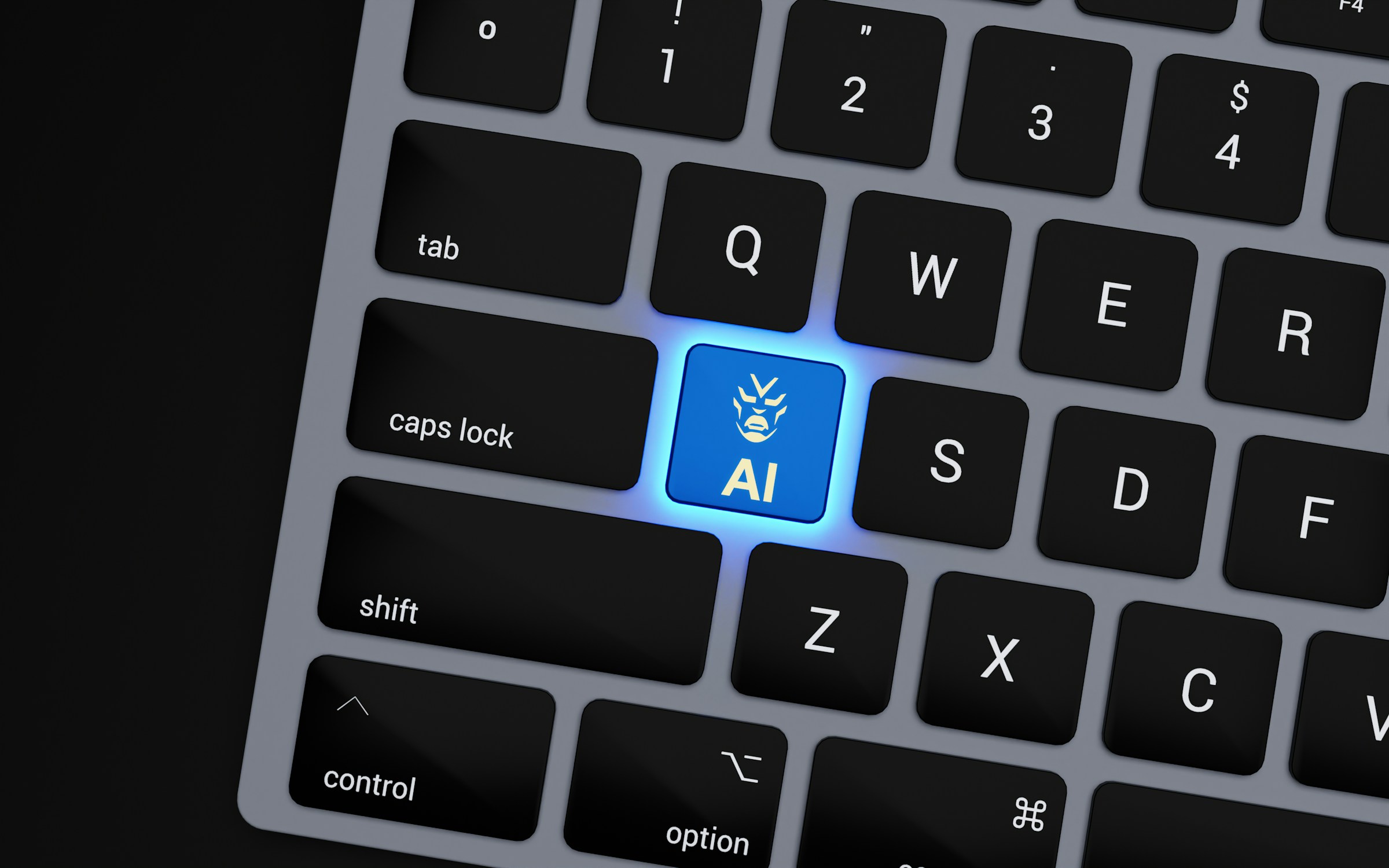
As artificial intelligence video technology matures in 2026, creators, marketers, and enthusiasts will have access to highly capable free tools that produce cinematic results that were previously reserved for expensive professional software. From text-to-video realism to advanced motion control, the leading free AI video generator delivers impressive output while removing financial barriers for millions of users around the world.
Here are five great free AI video generators that are leading the pack this year. Ranked by a combination of output quality, ease of use, daily limits, and overall value for free users.
1.Kling AI 3.0 (Kling AI 3.0) Kling AI remains the top choice for most users looking for high-quality, realistic video generation. The latest 3.0 version excels at natural human movement, consistent character appearance across frames, and powerful physics simulation. Free users receive credits (usually 66-100 depending on server load) to store several 5-10 second 1080p clips each day.
Strengths include excellent instant compliance, native audio support in some modes, and powerful image-to-video capabilities. Users praise its ability to produce consistent seconds-long scenes without the “uncanny valley” glitches common in previous models. Limitations include occasional queue times during peak hours and free export watermarks. Perfect for social media content, storytelling, and concept testing.
2. Luma Dream Machine (Ray 3.14) Luma Labs’ Dream Machine continues to impress with its creative flexibility and powerful motion processing. The free tier offers a limited number of daily generations, often in draft mode, but with impressive lighting and camera movement, the results are surprisingly cinematic. Many creators use this to brainstorm and iterate on ideas before upgrading.
This tool is popular among filmmakers and digital artists because it’s great for surreal and artistic prompts. Recent updates have improved facial consistency and facilitated understanding. Free users will face watermarks and resolution loss on some outputs, but short clips will maintain quality on par with paid alternatives.
3. Google Veo 3.1 Google’s Veo 3.1 stands out for its reliability and native audio sync. Available through Google AI Studio or an integrated platform, it provides free monthly credits to enable meaningful experimentation. This model excels at realistic human interaction, accurate lip-syncing, and consistent storytelling within short clips.
Veo’s strength lies in its consistency and professional visuals, making it suitable for marketing and educational content. Free access often includes student or trial credits and performs well in text-to-video and image-to-video modes. Compared to experimental tools, the output quality feels polished and broadcast-ready.
4. Pika Lab Pika has evolved into a favorite for fast and creative social media content. The free tier provides regularly updated credits and allows users to experiment with effects, character animations, and stylized videos. Its interface is particularly beginner-friendly, with strong community features and quick suggestions.
Pika excels at fun, trendy effects and short-form vertical content. Recent updates have improved physics and lip sync functionality. While not necessarily the most practical, its speed and creativity make it ideal for TikTok, Reels, and YouTube Shorts creators working on tight deadlines.
5. Hailuo AI (MiniMax) Hailuo AI offers excellent motion quality and smooth animation with a generous free tier. It performs especially well in dynamic scenes and character interactions. Free users benefit from daily updated credits and competitive 1080p output.
This tool is notable for its balance of quality and accessibility, often ranking highly in blind natural movement tests. It works as a powerful all-rounder for both realistic and stylized content.
Honorable mentions and new choices WaveSpeedAI and Multi-Model Aggregator provides access to multiple top engines through a single free interface with sign-up credits. Sora 2 through OpenAI’s platform offers limited free generation for ChatGPT users, while open source options like Wan 2.x allow unlimited local generation for users with sufficient hardware.
Choosing the right tool The best free AI video generator will depend on your needs. Kling for realism, Luma for creativity, Veo for reliability, Pika for speed, and Hailuo for balanced performance. Most tools have improved dramatically in physics, consistency, and rapid understanding since 2025, making 2026 an exciting year for AI-assisted creation.
Experts recommend starting with the free tier and testing prompts before signing up for a paid plan. Watermarks, playback time limits, and resolution caps are common with free accounts, but the quality you get without paying is higher than ever. Many creators combine tools, using one for production and one for editing, to maximize their results.
Tips for better results
- Write detailed and specific prompts, including camera angles, lighting, and style references.
- For better control, use image-to-video mode when possible.
- Generate short clips and stitch them together with a free editor like CapCut.
- Please respect the platform’s terms and content guidelines regarding commercial use.
The rapid evolution of these tools signals a shift toward democratization in video production. What once required expensive equipment and a team can now be prototyped or produced entirely by an individual with a good idea and internet access. As competition increases, the free tier will likely remain generous and benefit creators everywhere.
For businesses and serious creators, these free options serve as a great testing ground before scaling up to paid plans with higher limits and commercial rights. The barrier to entry for high-quality video content has never been lower, opening the door to new voices and innovative storytelling in 2026 and beyond.


