For Booking.com leaders, proving ROI while protecting creativity is the next balancing act in marketing.
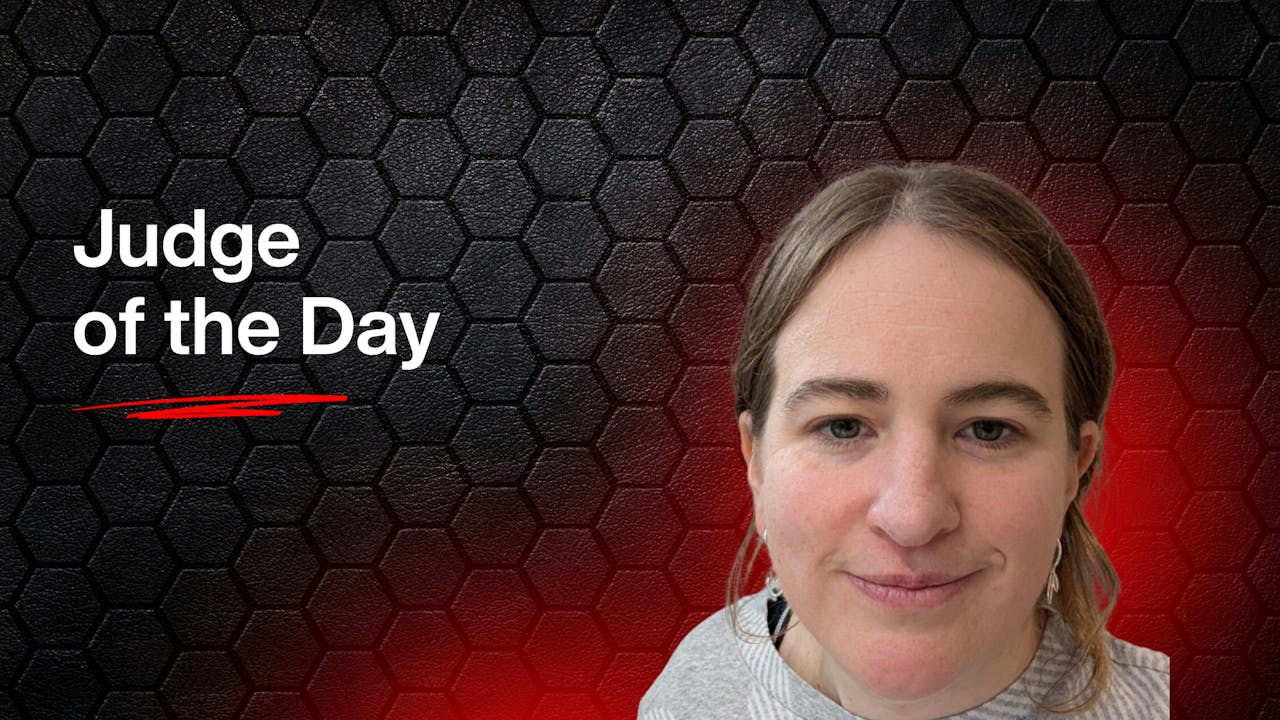
Hannah Chambers has spent the past eight years working within Booking Holdings Group, from car rental marketing innovation to developing go-to-market plans for Booking.com across key business priorities. With a background spanning customer insights, performance marketing, and digital roles across financial services and gaming, she brings a data-driven mindset to her role as head of marketing strategy and judge at the Drum Marketing Awards.
AI and channel diversity add new complexities. “Measuring the impact of the marketing mix becomes more complex as the channel mix becomes increasingly diverse, including social channels, AI, etc.,” says Chambers. Proving the value of your investment in terms of brand, performance, and ultimate return on investment in customer experience is critical to generating further investment. That too is becoming difficult.
Efficiency has long been a global strength. “It has always been important for us to be globally efficient in the way we scale and optimize our marketing efforts,” she explains. Historically, efficiency has been valued over strict brand consistency. But she acknowledges the trade-offs. Deeper local understanding is required to meaningfully connect with a global audience during key travel moments. “Really delivering consistent, localized messages to a global audience requires investment in market understanding,” she says, noting that AI could be a key opportunity to make that insight more scalable.
For agency leaders navigating economic uncertainty, Chambers sees both opportunities and risks. “With the wealth of technology and data available to everyone, senior marketing leaders are increasingly making data-driven, AI-powered decisions,” she says. Increase speed and efficiency, but without the attendant loss of creativity and customer insight. “As part of this transition, we need to be conscious of not losing creativity and customer insight.”
If she were to build an agency from scratch, the differentiator would be strategic partnerships. “The marketing department needs to act as a strategic partner to the business, including at the C-suite level,” she says. Although it is important to link activities to commercial outcomes, marketing is more than just a means of transaction. This plays a key role in providing senior executives with a deep understanding of customers and markets and turning this into clear growth opportunities.
Standing out can be especially difficult when traveling. “Travel is rich in beautiful imagery, which naturally sparks customers’ imaginations and makes them dream of travel possibilities,” she says. Its visual richness is both an asset and a barrier to uniqueness. Travel brands need to represent something more than an aspirational destination, as customers can book a destination wherever they are.
Want to know more? ask the drum
AI is already integrated into her workflow, particularly for “simple and efficient collation of insights” such as competitor reviews. Still, she notes that the artifacts are “mostly human-generated at this stage.” Looking ahead, she expects AI to absorb much of the execution layer. “The role of marketers will be to apply strategic and human judgment to AI-driven deliverables,” she says. The differentiator is the ability to ask the right questions, both strategy and insight.
Like many leaders, she remains cautious about influence. She is “less confident” that AI’s contribution can be proven beyond speed and cost efficiency. And in her view, the biggest risk to brand creativity is “overreliance on automation.”
As a judge for The Drum Marketing Awards, Chambers values work that demonstrates measurable impact without sacrificing strategic depth or human understanding. In a marketing ecosystem shaped by automation and complexity, judgment remains the most valuable asset.
Join us at the next event at The Drum Marketing Awards
The Drum Marketing Awards celebrate leaders who raise the bar in creative, intelligent and commercially responsible marketing. Judges like Hannah Chambers will help define what effective brand building looks like in 2026.