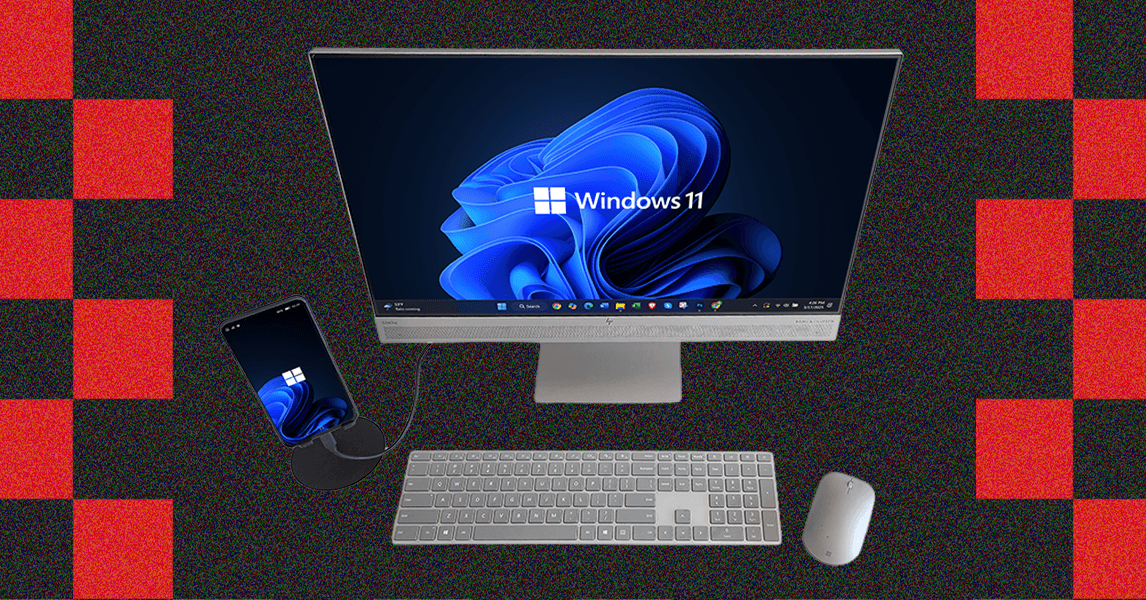
The NexPhone is a rugged device powered by a Qualcomm QCM64490 chip that reportedly has a long-term support roadmap (until 2036), plus 12GB of RAM, 256GB of storage, and a 6.58-inch, 120Hz screen refresh rate. It also features a 64MP camera, wireless charging, and even 5G support. Naturally, this doesn’t compete with the latest Samsungs and iPhones in terms of hardware, but these phones can’t boot three different operating systems. Nex Computers believes that people who don’t want to part with their flagship phone can enjoy it as a second or backup phone for work.
Priced at $549, you can reserve yours now with a refundable deposit of $199. A free USB-C hub is included, and the company plans to begin shipping in the third quarter of 2026.
Sony partners with TCL for TV business

best buy offer
Sony TVs may soon become synonymous with TCL. This week, Sony and the Chinese electronics giant announced a memorandum of understanding establishing a new strategic partnership that gives TCL a majority share of 51 percent in Sony’s home entertainment business. If approved by regulators, the deal would include Sony’s BRAVIA brand of premium televisions and other home entertainment products, giving TCL control over everything from product development and design to manufacturing, sales and logistics.
Given how the nature of the TV business has evolved over the past decade, this is a surprising, if understandable, move by Sony, one of the world’s most proven and trusted TV innovators. TCL (along with its Chinese rival Hisense) has quickly gone from being a market disruptor to a market leader in the mid-sized TV space and beyond, becoming a major global player in TV panel manufacturing and technology development, and a top seller in the US market.
In a statement to WIRED, Sony said, “The new company plans to leverage the high-quality video and audio technology that Sony has cultivated over many years to advance its business.” Sony continues, “We believe both companies are almost equal partners,” and “we will create innovative products that meet the expectations of customers around the world and pursue further business growth through operational excellence.” Barring any implementation or regulatory setbacks, the new joint venture is expected to be operational by April 2027. —Ryan Waniata
ASUS withdraws from mobile phone market
ASUS has been churning out smartphones for two decades, but the company’s storied mobile history appears to be coming to an end. ASUS Chairman Johnny See said in an interview that the company will suspend its smartphone business and instead shift resources to AI-focused products such as PCs, smart glasses and robotics.
Shih said existing devices will continue to be supported, but no mobile launches are planned for 2026. Calling this a “temporary” hiatus could allow ASUS to return to the business in the future, but given that the company’s ZenFone and ROG gaming smartphone sales have never been strong, this could be a permanent move, much like LG’s exit in 2021.