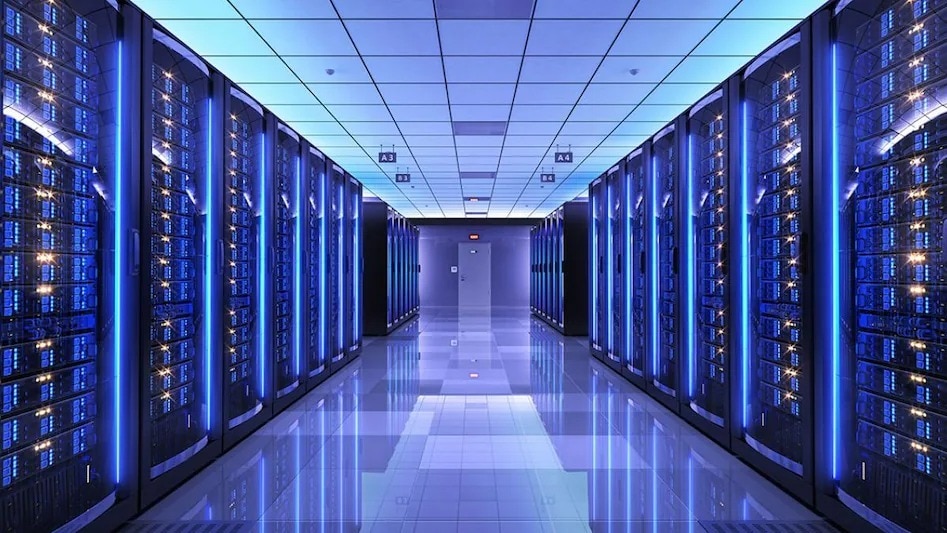
India may not yet have a large-scale, globally known AI model that can compete with the likes of OpenAI and Google, but the Union Budget 2026 shows where the government wants to bet. Rather than starting with an AI model, the focus is on the heavy infrastructure that runs the AI model: the data center. Finance Minister Nirmala Sitharaman, who presented the Budget, announced tax incentives until 2047 for foreign companies that use data center facilities in India to provide cloud services to customers around the world.
“Recognizing the need to keep critical infrastructure up and running and encouraging investment in data centers, I propose to provide tax incentives through 2047,” he said in his speech.
The proposal is likely to interest global technology companies such as Google, Amazon and Microsoft, which rely on vast amounts of computing power to run AI and cloud services. The government added a local condition to the plan that these companies must serve Indian customers through Indian resellers.
The proposal could make India an even more attractive destination for global technology companies that are already investing heavily in the country. Last October, Google announced it would invest $15 billion over five years to set up an AI-focused data center in Andhra Pradesh. The facility is planned in the port city of Visakhapatnam and will start with an initial capacity of 1 GW. Google Cloud CEO Thomas Kurian described the project as the company’s largest AI hub outside the United States.
To provide greater clarity on the tax framework, the budget also proposes a safe harbor of 15% of the cost of data center services provided by associated entities from India. This is expected to reduce conflicts and make long-term planning easier for multinational companies.
Although India’s own AI model is still being built, the demand for domestic AI services is rapidly increasing. The government is now trying to bring the computing power needed to meet this demand closer to home by attracting data centers to India.
The budget also announced a safe harbor for non-residents to use bonded warehouses for electronic components and capped profits at 2% of invoices, adding new incentives for global tech companies to expand their presence in India.
– end