Uncertainty surrounding AI infrastructure investment
Pressure on the S&P 500 focused on large technology companies as questions emerged over the sustainability of spending on artificial intelligence infrastructure. Oracle shares fell 5.4% after reports that Blue Owl, Oracle's largest data center partner, declined to support the company's proposed $10 billion data center project. The news raised questions about the pace, scale, and funding of future AI-related investments, prompting investors to reassess their expectations across the market. Because the S&P 500 is heavily weighted toward technology stocks, the impact was quickly reflected at the index level. Semiconductor stocks were particularly hard hit, with Nvidia down 3.8%, Broadcom down 4.5% and AMD down 5.3% as investors took profits after a strong rally to start the year. The decline reflects a more cautious approach to the sector, with market participants becoming increasingly sensitive to signs that capital spending on AI and cloud infrastructure may slow, even if only slightly. After months of strong optimism, semiconductors' high valuations leave little room for disappointment, making the sector particularly vulnerable to negative headlines.
Blue Owl refuses to support Oracle
Oracle stock has fallen nearly 46% since its peak in early September, a sharp reversal from strong gains at the start of the year. This decline reflects a clear shift in investor sentiment, with expectations for Oracle's role in large-scale AI infrastructure projects being reassessed. The optimism that had previously driven stocks has given way to caution, especially as questions arose about the size, timing and profitability of major investment plans. Much of the recent pressure has stemmed from concerns about the sustainability of large capital investments, particularly after Blue Owl refused to support a $10 billion data center project proposed by Oracle. This raised questions about Oracle's ability to secure long-term funding partners for its ambitious expansion plans and highlighted the financial risks associated with large upfront investments. In an environment of rising interest rates and tighter funding conditions, investors are becoming increasingly sensitive to the balance between growth ambitions and financial discipline. As a result, Oracle is vulnerable to profit-taking, especially after its previous strong performance inflated its valuation. Negative headlines and uncertainty about future AI-related revenues have added to the pressure, highlighting how quickly sentiment among companies closely tied to AI investment themes can change.
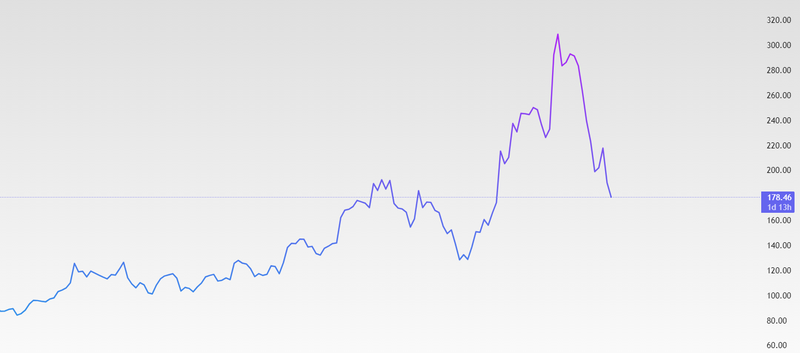
Source: Trading View
Changes in market mood
The recent decline in U.S. stocks is not limited to high-tech and semiconductor companies. Overall, investors are becoming more cautious after a long rally. Many companies are focused on managing risk and reducing exposure to sectors that have become expensive and highly dependent on ongoing business spending. This slowdown suggests that the market is starting to question whether recent optimism is sustainable, especially given that borrowing costs remain high. While there are no clear signs of a recession, the S&P 500's decline highlights how quickly investor confidence can shift when the outlook for corporate earnings becomes uncertain. In the short term, stock performance may remain sensitive to company updates, investment plans, and signs that spending on large technology and infrastructure projects may slow, even by a small amount.