Overview of current trends
U.S. Special Operations Command (SOCOM) is actively exploring the role of artificial intelligence (AI) in enhancing data processing capabilities from operations conducted by its members. The military's focus includes potential applications of AI technologies such as facial recognition, voice identification, and DNA profiling, highlighting a strategic move toward modernizing military intelligence.
The role of sensitive site exploitation
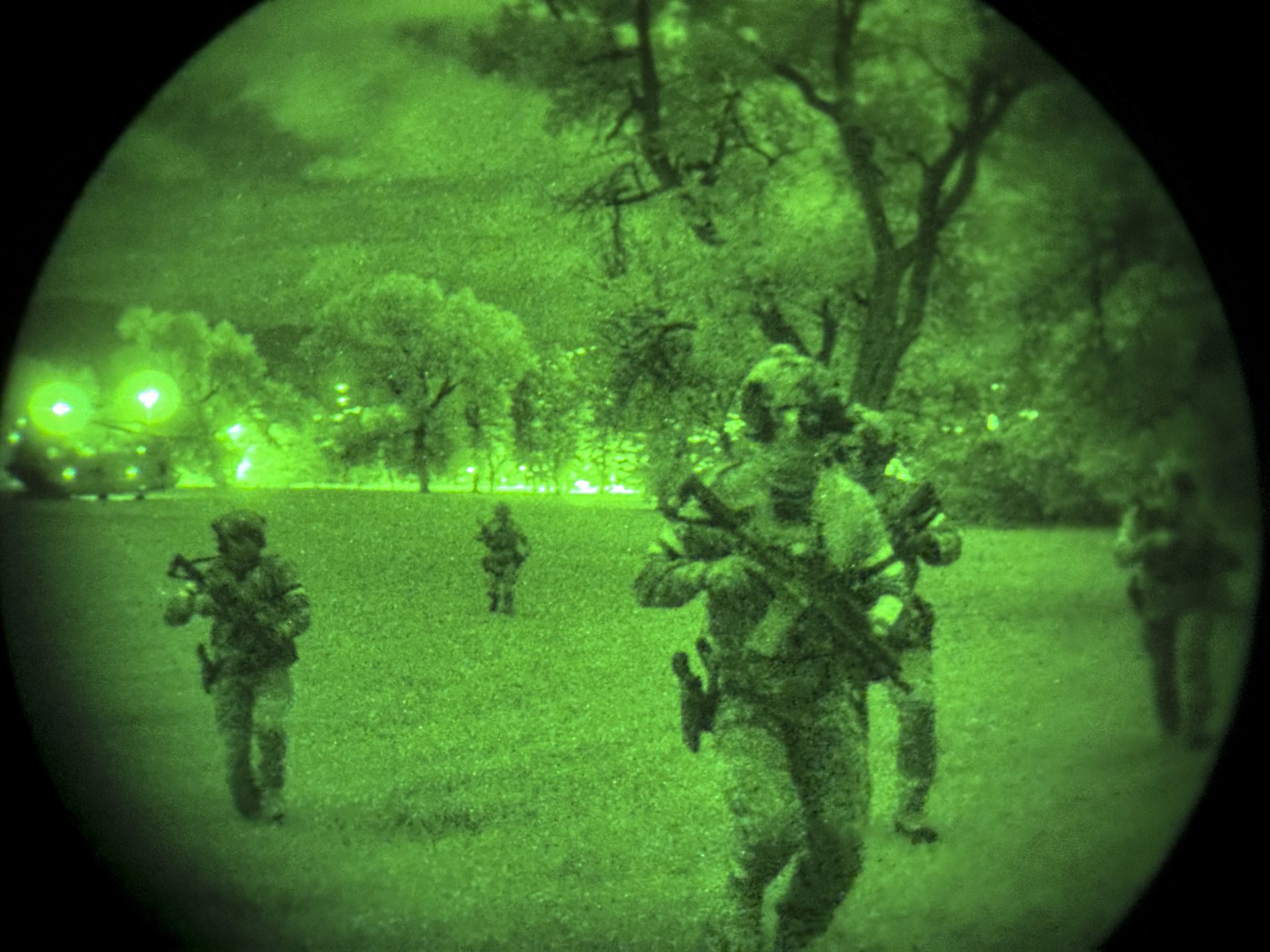
SOCOM's interest in AI complements its established operational framework known as Sensitive Site Exploitation (SSE). This critical process involves collecting information from individuals and materials during missions, allowing the military to compile intelligence packets that inform future operations and support law enforcement efforts. A notable example of SSE occurred during Operation Neptune Spear, when U.S. Navy SEALs seized documents and electronic equipment from Osama bin Laden's compound.
Expanding data collection methods
Modern operations by both conventional and special forces forces increasingly collect biometric data from a variety of sources. During the global war on terror, military teams have for years utilized a variety of systems to extract biometric information from both allies and adversaries. This organic evolution in data collection requires advanced methodologies for analysis and validation.
Major exploration areas
SOCOM recently issued a request for information outlining specific areas of technical interest, including:
- facial recognition: We want tools that can identify individuals in real time from up to 100 meters away and that can adapt to different environmental conditions.
- voice identification: Evaluate a system that can identify speech samples in noise to accurately identify a single speaker among multiple voices.
- DNA profiling: Investigating ways to generate DNA profiles for comparison with existing databases, such as those maintained by the FBI, to facilitate rapid decision-making regarding potential detainees.
AI as an analysis support tool
Experts suggest that the SOCOM effort aims to provide AI as an aid to human analysts and improve the efficiency and accuracy of data analysis. This approach reflects a trend in the private sector where companies are increasingly relying on AI to expedite initial data processing tasks, said Alex Priesas, a senior fellow at the Atlantic Council and former head of special operations clandestine operations.
- Private sector comparison: Financial institutions are deploying AI to improve the speed and accuracy of data analysis, leading to faster decision-making. This is a useful analogy that SOCOM attempts to recreate for security purposes.
Ethical considerations and tactical implications
While the integration of AI into military operations raises ethical questions, particularly regarding privacy and the potential for fraudulent identification, the nuances of SOCOM's requirements suggest more concrete applications for AI. The command appears to be focused on verifying known entities within an operational context, rather than leveraging AI to directly target individuals.
Reducing risks to employees
The information request also has the dual purpose of assessing technologies that adversaries may use to identify U.S. carriers. Understanding how intelligence gaps can be exploited through similar biometric measurements is critical to strengthening operational security.
- Identify countermeasures: SOCOM predicts potential vulnerabilities in operational frameworks by evaluating commercial technologies that may pose risks to employees.
Timeline and next steps
SOCOM's announcement is primarily aimed at expanding knowledge in this area rather than making a formal solicitation, but it does outline a structured timeline for vendor collaboration. This includes:
- industry presentation
- Delivery of “loaned” equipment for testing
- Training sessions provided by vendors for SOCOM personnel
In summary, SOCOM's continued exploration of AI technologies will significantly enhance intelligence capabilities in dynamic operational environments. As the military and technological landscape evolves, understanding the impact of these advances continues to be essential to preparing effective defense policies and tactics.
Written by Drew F. Lawrence, a DefenseScoop reporter with extensive experience covering defense issues and military technology, this article provides a comprehensive analysis of SOCOM's efforts in the field of AI, drawing on insights from a variety of authoritative sources.