

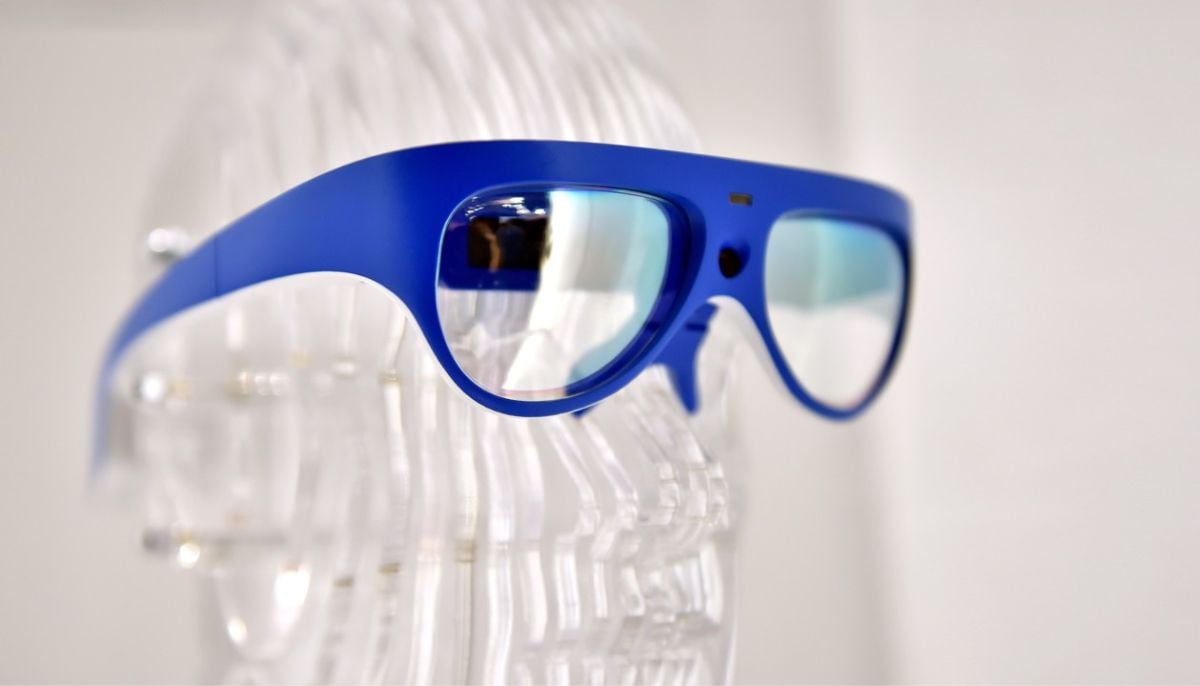
In the age of artificial intelligence, privacy is always on the brink of erosion. With the introduction of AI-powered glasses, privacy is officially under threat.
These glasses have real-time functionality to recognize random people within seconds.
A Dutch journalist has just tested AI-powered glasses that can identify strangers on the street.
In a widely circulated video on X, you can just look at someone and see their name, social media accounts, background, and LinkedIn profile appear before your eyes within seconds.
Unfortunately, there is nothing you can do to stop this, and your public data will continue to be displayed in front of your eyes as long as you wear the glasses.
Such real-time recognition capabilities mark a tipping point and demonstrate the invasive power of technology, turning every face into a dataset.
As a result, the official line between seeing someone and getting to know them, between being in public and being exposed in front of someone, has become blurred.
AI-powered smart glasses have flooded the tech market, further raising concerns about ethics and privacy.
In September of this year, Meta launched Meta Ray-Ban Display Glasses, worth $799, which have a built-in display.
To compete with Meta, Chinese retail giant Alibaba has also launched the artificial intelligence-powered Quark AI with two specific variants including S1 and G1 variants.
Given the exploitative nature of technology, the question arises: how do we protect what it means to be human when every face becomes a dataset?


