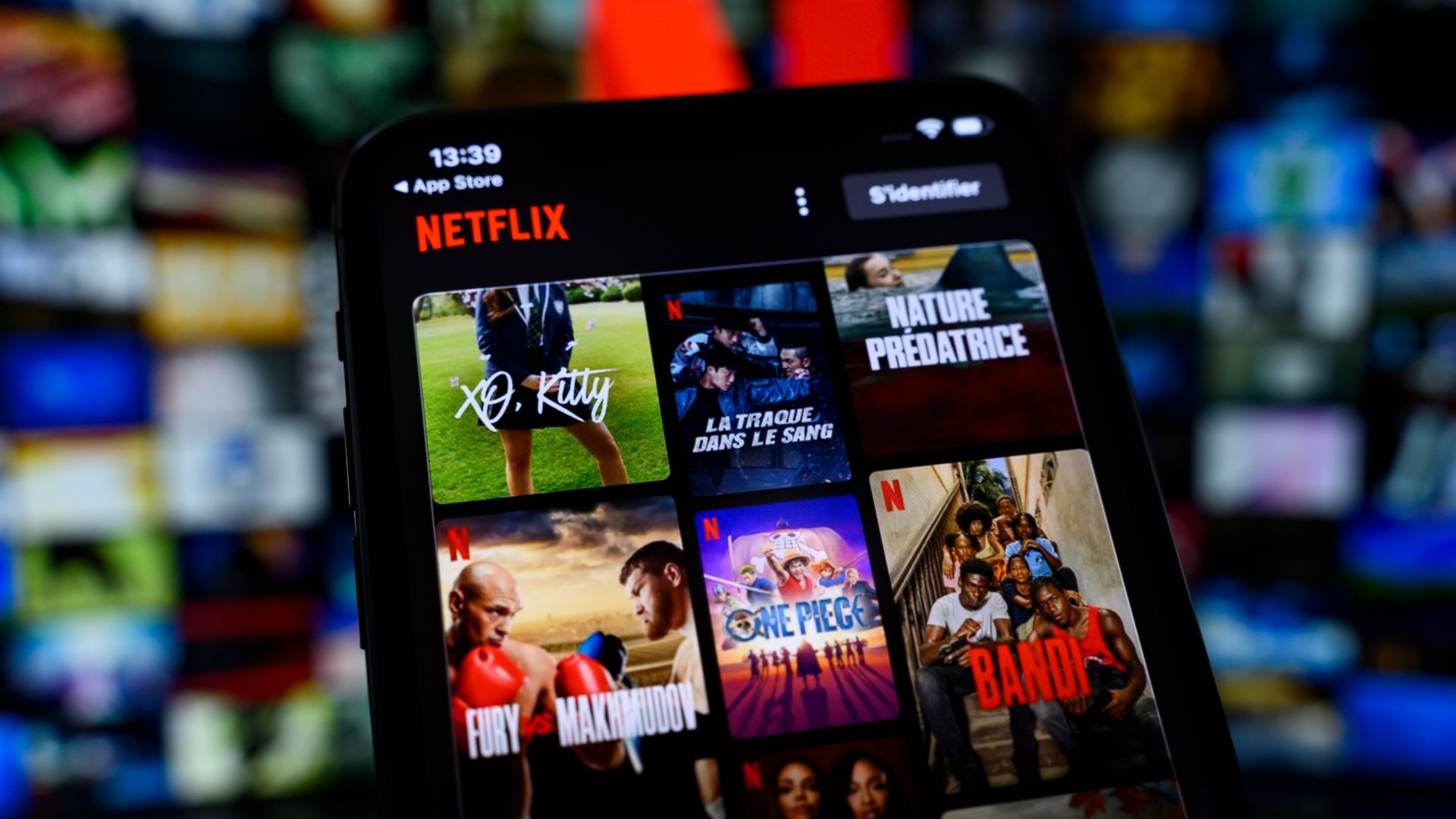
At a time when every digital platform is vying for your attention, Netflix may be starting to feel left out of the scroll-driven ecosystem.
To combat this, Netflix is preparing to roll out a TikTok-style vertical video feed within its app this month, marking a move to drive discovery of short-form content while doubling down on AI across the platform.
The feature, announced during the company’s Q1 2026 earnings call, will feature short clips from shows and movies.
Users can tap on a clip to instantly watch the entire title, save it to “My List”, or share it with others.
The move reflects Netflix’s broader ambitions to compete not only in long-form streaming, but also in the rapidly growing “doomscrolling” ecosystem dominated by short-form video platforms.
Short form discovery push
Netflix has been quietly testing vertical feeds for at least the last year.
The company now appears ready to expand it globally. This feature also supports the discovery of video podcasts along with movies and series.
This approach mirrors the engagement strategies used on TikTok, Instagram, and YouTube. Instead of viewing static thumbnails, users scroll through dynamic clips.
This reduces content discovery effort and helps users stay in your app longer.
The company believes short-form previews can be converted directly into long-form views. If successful, it could change the way users decide what to watch.
AI rebuilds recommendations
Netflix is expanding its use of artificial intelligence, especially in recommendations.
The company already introduced a search function using ChatGPT last year. We now plan to deepen the integration of AI across our personalization systems.
“We’ve been working on personalization and recommendations for 20 years, and we believe there’s still a lot of room for improvement with newer technology,” said Gregory Peters, co-CEO of Netflix.
“A recommendation system based on a new model architecture not only improves current personalization, but also allows us to iterate and improve faster and add support for different content types more efficiently.”
The company sees AI as a way to quickly respond to user behavior. We also aim to support new content formats without making major changes to our infrastructure.
Netflix leadership also highlighted the role of generative AI in content creation. Co-CEO Ted Sarandos emphasized that AI will support creative talent, not replace it.
“In general, we expect GenAI to make our content better and our tools and processes better. […] It takes great artists to create great art, and AI won’t change that. ”
He added that AI can help creators execute their ideas more efficiently.
Netflix recently acquired Ben Affleck’s AI company InterPositive to accelerate these efforts. Sarandos said these tools are specifically designed for filmmakers.
“We believe the acquisition of InterPositive will accelerate our capabilities as GenAI is a unique technology developed specifically for filmmakers and filmmaking,” he said.
He noted growing interest among creators and early adoption momentum.
Strong growth underpins strategy
Netflix reported revenue of $12.25 billion for the first quarter of 2026, an increase of 16.2% year over year.
Profits rose 83% to $5.28 billion. The company expects to generate $3 billion in advertising revenue this year.
It ended 2025 with 325 million paying subscribers. Recent U.S. price increases could further boost earnings in coming quarters.
At the same time, co-founder Reed Hastings will step down as a director this summer, and a change in management is planned.
Netflix’s strategy is clear. The company wants to dominate both long-form streaming and short-form discovery. AI is at the heart of that ambition.
It will be interesting to see if Netflix starts producing short-form content as its own Netflix Originals.