
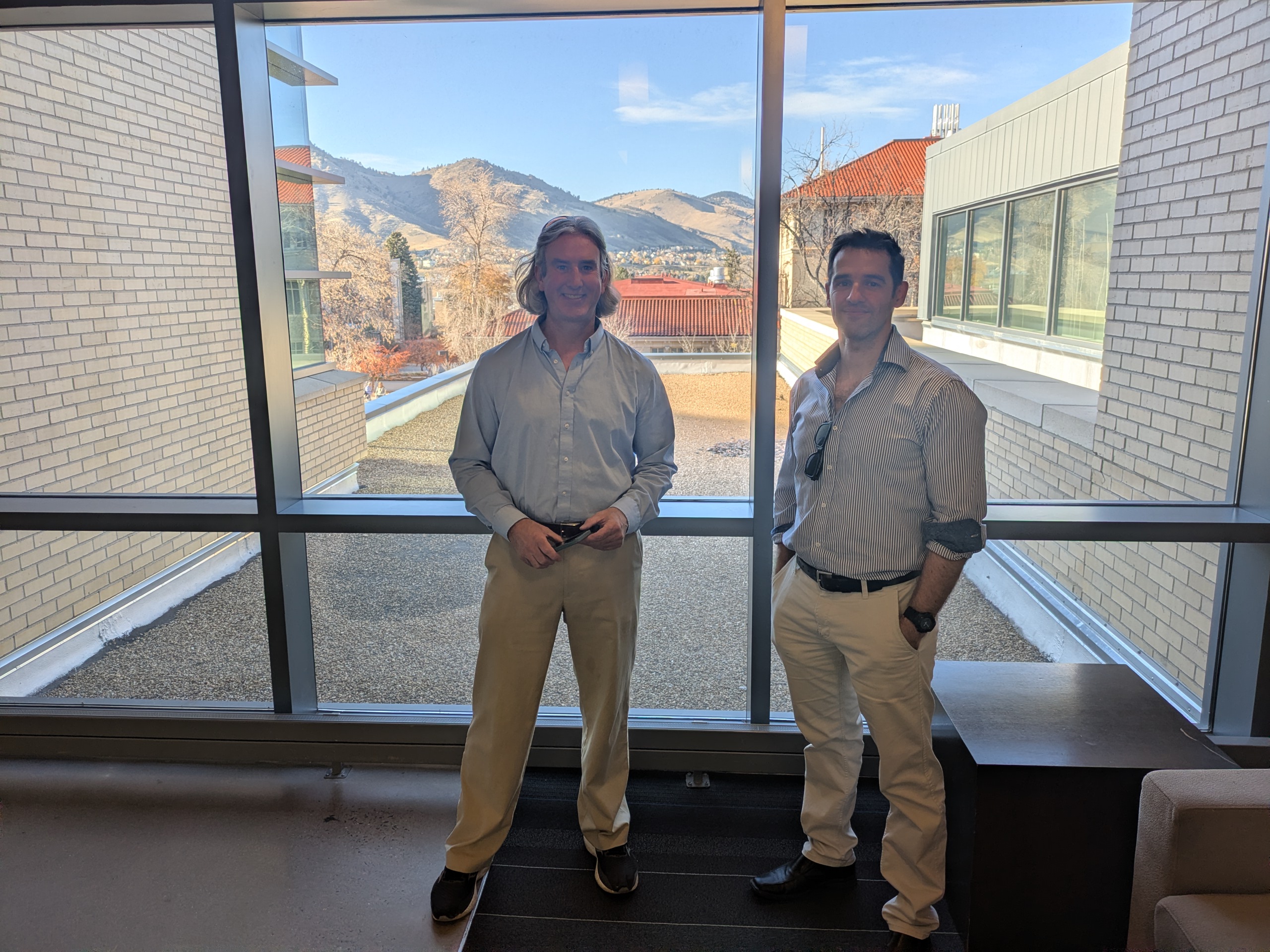
“We're making sure our students and postdocs really understand what they're doing,” he said. “With off-the-shelf topologies, if they work, we don't really know why they work. And when they don't, it's very difficult to know where to start.”
Osborn said he encourages students to start simply with a network consisting of an input layer of neurons, a single layer of hidden neurons, and an output layer of neurons.
“Once I feel like students and postdocs have reached a certain level of understanding, I'll say, 'Why don't we try one of the standard ones and compare?'”
The NEUP grant was essential to making this research possible, and he looks forward to similar projects. “read [notice of funding opportunity announcements] “Our graduate level classes are getting bigger and bigger,” he said. These are two technologies with huge potential. ”
Managed by NEUP, CINR supports university-led projects related to all aspects of the nuclear energy and fuel cycle. CINR Phase II continuation funding opportunities, such as the one Osborn received, are competitively awarded to researchers and teams who conduct high-quality research through the DOE Office of Nuclear Energy's NEUP.
Editor's note: This highlight story from the Nuclear University Program (NEUP) was written by Paul Mensah of the Idaho National Laboratory and is republished here with permission from NEUP.


