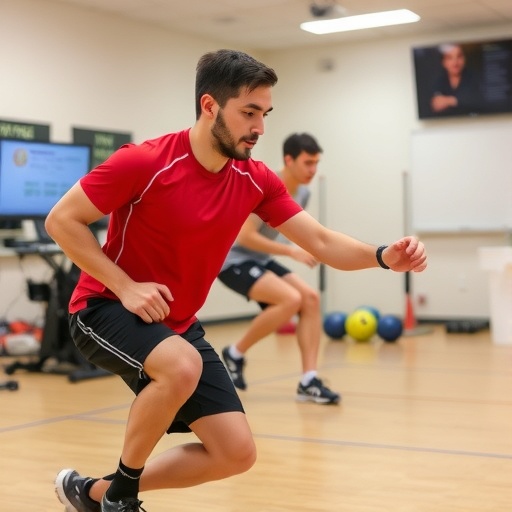
Revolutionizing physical education: A breakthrough approach to effective instruction with multimodal machine learning
In the ever-evolving educational landscape, the integration of advanced technology has become an increasing focus in the pursuit of improving instructional effectiveness. A recent study led by researcher Y. Zhang presents a pioneering assessment system specifically for physical education education, backed by multimodal machine learning principles. This innovative framework reimagines the way educators assess and improve instructional outcomes in physical education settings.
With the increasing demand for effective teaching strategies in various fields, the need for customized assessment systems is increasing. Traditional evaluation methods are often inadequate to capture the multifaceted nature of instructional effectiveness, especially in a dynamic field such as physical education. Zhang's research addresses this gap by leveraging the power of multimodal machine learning. Multimodal machine learning is a technology that leverages multiple data sources to get a more comprehensive view of educational performance.
The core of Zhang's evaluation system is the collection of various types of data, including video recordings of lessons, student feedback, and performance analysis. By utilizing these different data modalities, the system can analyze not only the teaching techniques of educators, but also the engagement and outcomes observed among students. This comprehensive approach provides a deeper understanding of the dynamics of teaching and learning and allows us to go beyond just quantitative indicators to assess qualitative factors as well.
Integrating multimodal machine learning into physical education assessment has profound implications. The ability to analyze data from multiple channels simultaneously provides insights that are often missed by traditional methods that focus on a single assessment. For example, analyzing video footage of teaching sessions can reveal subtle differences in teaching styles, and accompanying student ratings can provide context about participation levels and overall effectiveness. This multidimensional analysis allows educators to refine their approaches based on concrete evidence rather than anecdotal observations.
The significance of this research is not limited to strengthening evaluation technology. They resonate with broader changes in educational philosophy. As the world becomes increasingly data-driven, there is a growing emphasis on evidence-based practices in education. Zhang's research aligns with a growing movement to leverage technology to not only introduce new assessment models but also to inform instructional strategies and improve student outcomes.
Additionally, the multimodal aspect of this study highlights the importance of adaptive learning environments. Assessment systems can provide real-time feedback by collecting a wide range of data, allowing educators to dynamically adjust methods based on student responses and interactions. This adaptability highlights the potential to optimize the learning experience, ensuring students receive personalized instruction tailored to their individual needs.
In actual applications, it can be introduced in a variety of educational settings, from elementary schools to universities. Its versatility makes it suitable for a variety of physical education programs, allowing the principles of multimodal analysis to be adapted and utilized effectively regardless of the situation. Educators equipped with this system can identify not only their strengths but also areas for improvement and foster a culture of continuous growth and development.
Additionally, this study highlights the emerging role of artificial intelligence in education. Machine learning algorithms sift through vast data sets to identify patterns and correlations that human raters might miss. This ability allows for a more informed decision-making process and a stronger foundation for devising effective teaching strategies. By harnessing the power of AI, educators can shift to a more precision-oriented teaching approach.
It is important to remember that implementing such advanced systems requires careful consideration of ethical and logistical concerns. Data privacy and security must be a top priority, especially when dealing with sensitive information such as student performance data. Educators and institutions must ensure that the data used in the assessment process adheres to strict guidelines to protect student identities and personal information.
As technological advances continue to reshape educational environments, multimodal machine learning will only grow in importance. Chan's research is an important step in highlighting the potential of these technologies to improve the way physical education is taught and assessed. By adopting these innovations, educators can make the most of the tools at their disposal and drive an era of more effective and responsive educational practices.
In conclusion, Y. Zhang's research represents an important milestone in the field of physical education evaluation. Establishing a comprehensive assessment system that employs multimodal machine learning provides educators with powerful tools to understand and improve instructional effectiveness. This study not only serves as a catalyst for further exploration of teaching methodologies, but also has the potential to transform physical education into a more responsible and engaging learning experience. This foundational research leaves the door wide open for future research to extend these findings and ultimately enrich the educational framework of physical education around the world.
Research theme: Physical education instruction effectiveness evaluation system
Article title:Comprehensive evaluation system for physical education instruction effectiveness using multimodal machine learning
Article references:
Zhang, Y. A comprehensive evaluation system for physical education teaching effectiveness supported by multimodal machine learning.
Discob Artif Inter (2025). https://doi.org/10.1007/s44163-025-00765-0
image credits:AI generation
Toi:
keywordIn: physical education, educational effectiveness, multimodal machine learning, data-driven education, artificial intelligence, continuous improvement, student engagement, evidence-based practice.
Tags: Advanced technologies in physical education Data-driven assessment methods Strengthening student engagement in physical education Comprehensive teaching performance assessment Innovative evaluation systems for teachers Multimodal machine learning in teaching Effects of physical education teaching Revolution in physical education assessment Integration of student feedback Customized assessment strategies for teachers Teacher performance analysis Video analysis in teaching