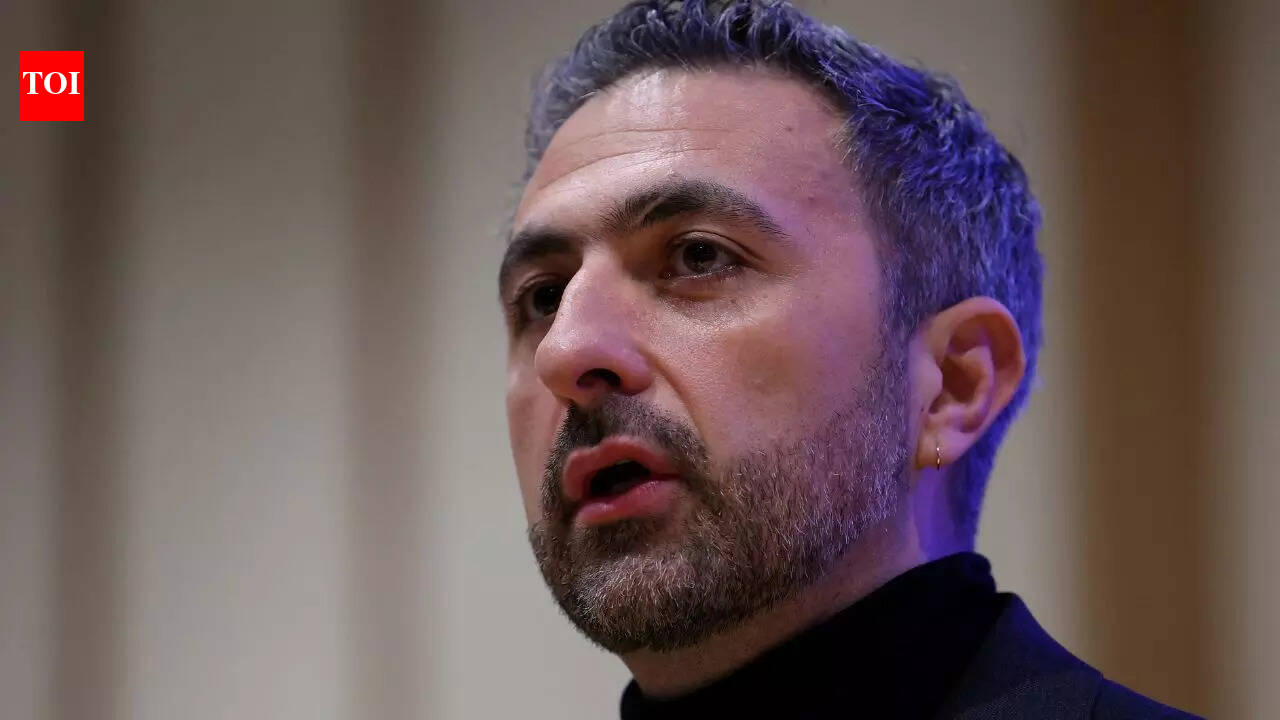

AI is slowly but surely making its way out of the lab and office and into our daily lives. It now runs search engines, smartphones, navigation tools, and business software. Microsoft’s head of AI says the next step could be more personal. Mustafa Suleiman, CEO of Microsoft AI, says that within the next five years, most people will have their own AI helpers who understand them better and help them with their daily tasks. Unlike today’s chatbots and digital assistants, these systems do more than just do what you tell them to do. You will also learn from what your users are doing, where they are, what they like, and what they want to do.Suleiman’s comments have been widely shared on social media, with many in the tech community talking about how rapidly AI is changing and how it could become a part of people’s daily lives. His vision is a future where AI doesn’t just operate on a screen, but can see, hear, and understand the world in real-time, just as you do. This idea makes people worry about privacy, control, and long-term dependence on technology. But it also shows that the AI industry is moving toward more personalized and aware systems that can help people, not just automate tasks.
Mustafa Suleiman outlines a deeply personal future of AI
User slow_developer posted a comment on X (formerly Twitter) citing Suleiman’s vision for AI in the near future. Mr. Suleiman said: “In five years, everyone will have their own AI companion who will know you in a very intimate and personal way and live your life alongside you.”He also said that this type of AI system will be able to understand not only what users see and hear, but also their context, preferences, and reasons for their actions. Suleiman says the experience is like having a friend or helper who always helps people make big decisions and deal with problems that arise every day.Although Suleiman did not provide specific technical details or product timelines, the statement signals that the technology industry is working towards AI systems that are more flexible and tailored to individual needs than they currently are.
Mixed reactions on social media
A lot of people on social media are saying different things about the comments. Generative AI and wearable technology are growing so rapidly that some wonder if five years is too short a time. Some were worried about how friends like this would behave in real life.One user asked about the day-to-day logistics and said that if the system is always on, it will probably require a lot of charging and the hardware or software will need to be updated regularly. Another user believed that the five-year estimate meant that significant improvements in AI companionability could take a long time. One person was concerned about how AI systems work together and said there shouldn’t be too many rules about how they talk to each other.As AI becomes more commonplace in daily life, these answers show how people are debating the trade-offs between cost, ease of use, control, and innovation.