

Meta sells its Ray-Ban AI glasses as a product “It’s built with privacy in mind.” But new research suggests the gap between that promise and reality may be larger than most users realize.
A joint investigation by Swedish newspapers Svenska Dagblade and Gothenburg Posten, published last week, spoke to more than 30 employees of Sama, a data services company Meta subcontracted to in Nairobi, Kenya. Workers there said they witnessed people undressing, using the toilet and engaging in sexual acts through video footage sent from the glasses. Bank card details and other sensitive financial data are reportedly displayed in the same video stream.
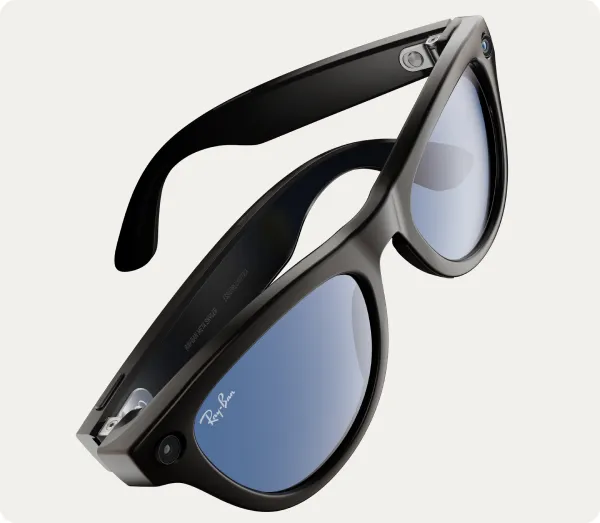
Meta’s Ray-Ban display glasses are equipped with AI assistant features. When a user activates the glasses to ask a question or get information about what they’re looking at, the glasses capture that footage and send it to Meta’s servers for processing. According to Meta’s own terms and conditions, that processing may include review by human workers.
The problem is that this disclosure is not easy to find. Engadget pointed out that reporters at Svenska Dagbladet had to navigate multiple layers to even find Meta’s privacy policy. The policy holds users accountable for not capturing sensitive content if found. You cannot use the AI functions unless you agree to these Terms.
According to The Decoder, Sama employees earn about $2 an hour, operate under strict NDAs, and work in offices under constant camera surveillance. “In some videos you can see someone going to the bathroom or taking off their clothes. I don’t think they know.” one employee told investigators.
Meta applies facial blur to footage before it is reviewed. However, Meta employees and former employees told the newspaper that anonymization was not effective in low light conditions, leaving identifiable faces visible.

This is where GDPR comes into play. Kenya currently does not have an EU adequacy decision. This means that Meta must put in place strong contractual protections for data transfers from European users. The Irish Data Protection Commission has received questions about whether Meta is compliant. Privacy group NOYB reported additional issues. Many users may not even realize that their cameras are recording while they interact with the AI.
Mehta declined to comment directly on the matter, citing the media. “Pursuant to Meta AI’s Terms of Service and Privacy Policy.”
Sama is no stranger to controversy. The company was previously responsible for moderating traumatic content for Meta and OpenAI, but ended those contracts in 2023 following reports of worker trauma and union busting. The company then moved into AI annotation work, which is exactly what this story is about.


