In many clinics around the world, the story often plays out the same way. A patient comes to the hospital with a cough that won’t stop, but due to limited resources, they may be sent home or not receive adequate medical attention. A chest x-ray is taken, but subtle findings that could indicate early-stage lung disease must wait weeks for examination by a radiologist, which may never come. Many cases of treatable diseases like tuberculosis (TB) go undiagnosed, not because there is no treatment, but because of a lack of timely and accurate screening.
This is the challenge that a dedicated team in Pretoria, South Africa, is determined to rise to. Nexus Intelligence was founded in 2022 as a joint initiative of healthcare innovator Dr. Gerhard Ferreira, a physician with 30 years of experience, and Andries Vorster, a clinical engineer with 25 years of experience in the field. They saw firsthand how delays in diagnosis impact communities and knew technology could help bridge the gap. Leveraging Google’s CXR model, their team developed Nexus AI. This is a CE-certified medical device designed to help clinicians screen chest radiographs for lung abnormalities, including findings suggestive of pulmonary tuberculosis.
This tool is designed to support clinicians in interpreting X-rays at the point of treatment. Two parallel AI models are used for analysis. The first determines whether the lungs look normal and automatically highlights any abnormal findings detected. At the same time, a second specialized model screens for findings suggestive of tuberculosis. In just 45 seconds, healthcare providers can review the original X-ray, enhanced with heatmaps and contour lines, and note any potential findings. Clinical judgment is firmly in their hands. AI acts as a powerful assistant for triage and analysis.
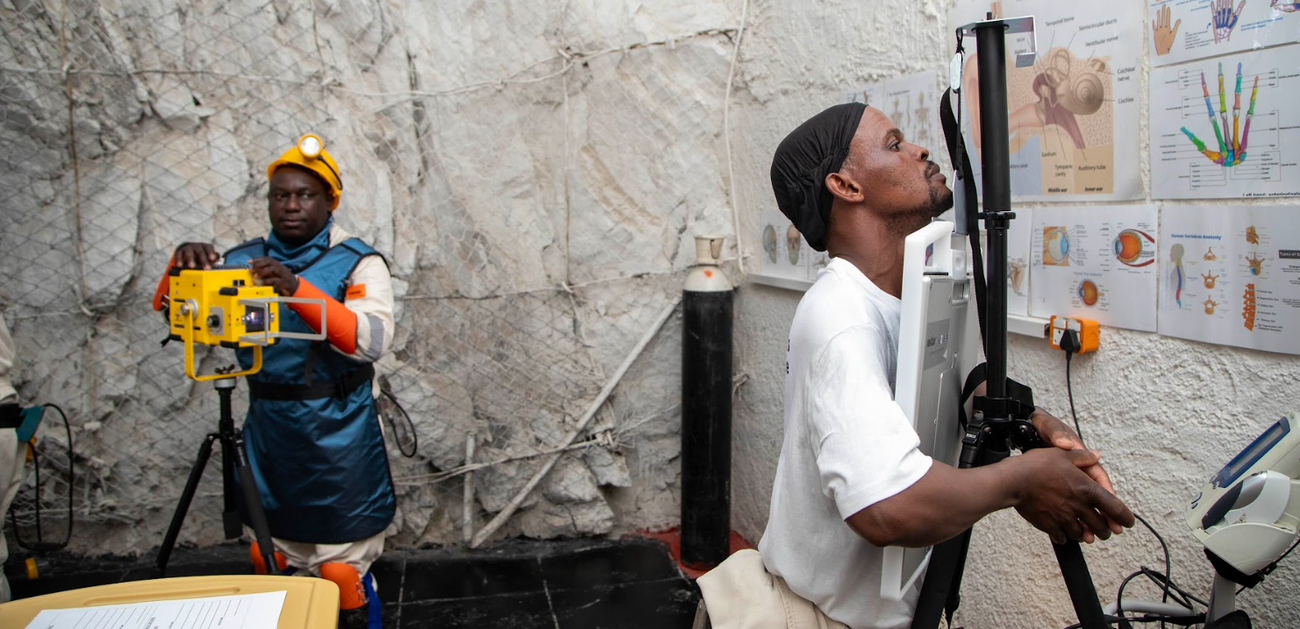
The impact of this technology is already being felt in some of the world’s most challenging healthcare environments. It supports Ivory Coast’s national tuberculosis program, supports a mobile screening study in the Northern Cape, and is being rolled out across South Africa and Sierra Leone. The platform’s footprint continues to grow through specialized pilots supported by the Stop TB Partnership in Cameroon and Vietnam. To provide a strong demonstration of its applicability, it was used to screen miners for occupational lung diseases such as silicosis approximately 4 kilometers underground at the Mponeng gold mine in South Africa.
With all these settings, the tool can run completely offline. This is a transformative feature because communities bearing the heaviest disease burden often lack reliable internet access. One clinician said: “What’s remarkable is how many patients we are now identifying that might otherwise have been missed. Had the AI not flagged subtle findings, they would not have been referred for further testing.”
Google supported this breakthrough by licensing the CXR AI model. This allows the Nexus Intelligence team to build clinical-grade tools without starting from scratch. The effectiveness of this platform was demonstrated by an independent evaluation. lancet digital healthwas recognized as the best performing screening tool. The device also has medical CE Class IIb certification, further demonstrating its clinical readiness.
To date, Nexus AI has processed more than 25,000 radiographs in 40 locations across six countries.
Ultimately, this success belongs to Pretoria’s innovators who recognized a local challenge, addressed it with world-class technology, and created a future where life-saving diagnostics are within reach.