
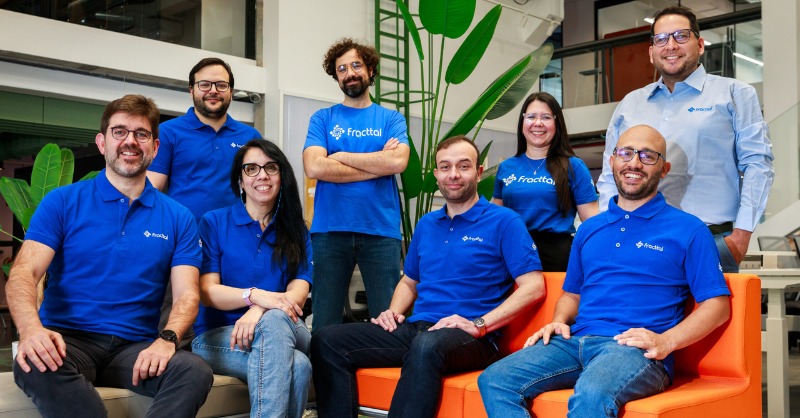
For industries that rely on heavy equipment and complex operations, keeping critical assets operational has always been a challenge. Many businesses still rely on manual data entry, outdated spreadsheets, and reactive maintenance. Fracttal was created to tackle this problem head-on.
The Madrid-based company offers an AI-powered maintenance management platform that helps organizations predict failures before they occur, streamline maintenance schedules, and centralize all aspects of asset management in one place.
Today, the company closed a $35 million growth round led by Riverwood Capital with continued support from Seaya Ventures, Kayyak, GoHub, and Amador.
Transform maintenance from a burden to a source of insight
Fracttal’s story goes back to CEO and co-founder Christian Struve, who saw firsthand how outdated maintenance systems were holding companies back. He found that his team was constantly reacting to problems rather than preventing them, often dealing with disconnected data and inefficient processes.
Fracttal’s core platform, Fracttal One, combines AI and cloud-based management tools to predict maintenance needs, extend asset lifecycles, and minimize downtime. The system is integrated with enterprise software and IoT sensors to capture and interpret real-time data from machines and equipment.
The company’s IoT device series, Fracttal Sense, complements the software by monitoring environmental conditions such as temperature and vibration and feeding data back into predictive models that power the platform.
Unlike traditional maintenance systems such as Fiix, IBM Maximo, and UpKeep that primarily focus on digitizing checklists and work instructions, Fracttal’s approach focuses on prediction and automation. The company calls this “maintenance intelligence.”
What’s next?
The new funding will accelerate product development, strengthen Fracttal’s AI capabilities, and support expansion across Latin America and Europe.
TFN reached out to Fracttal for comment on diversity and inclusion. There was no response at the time of publication.


