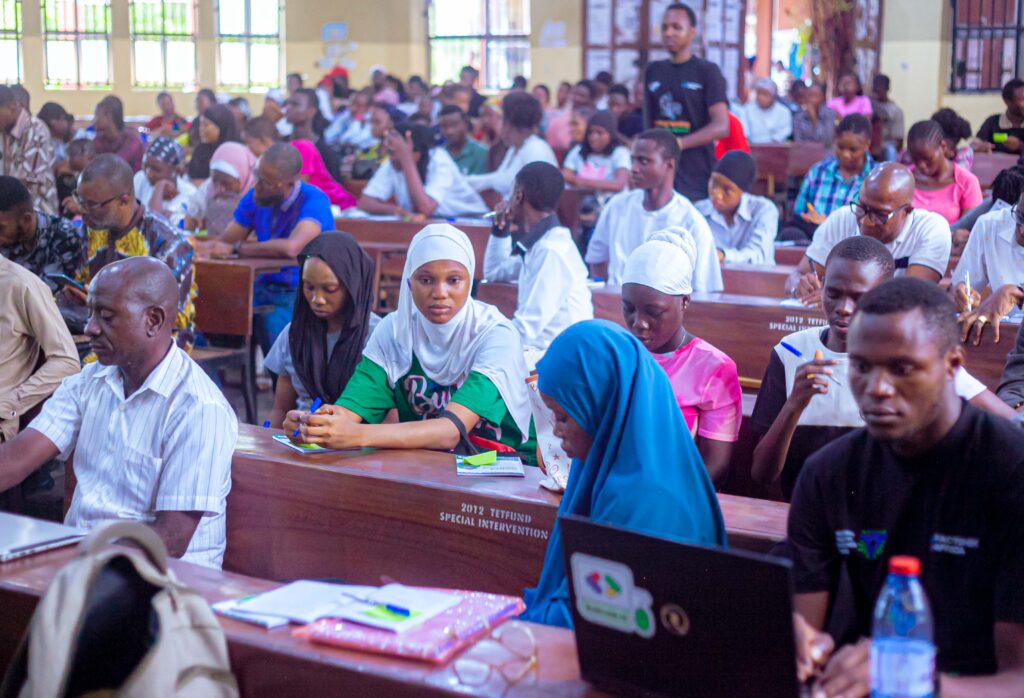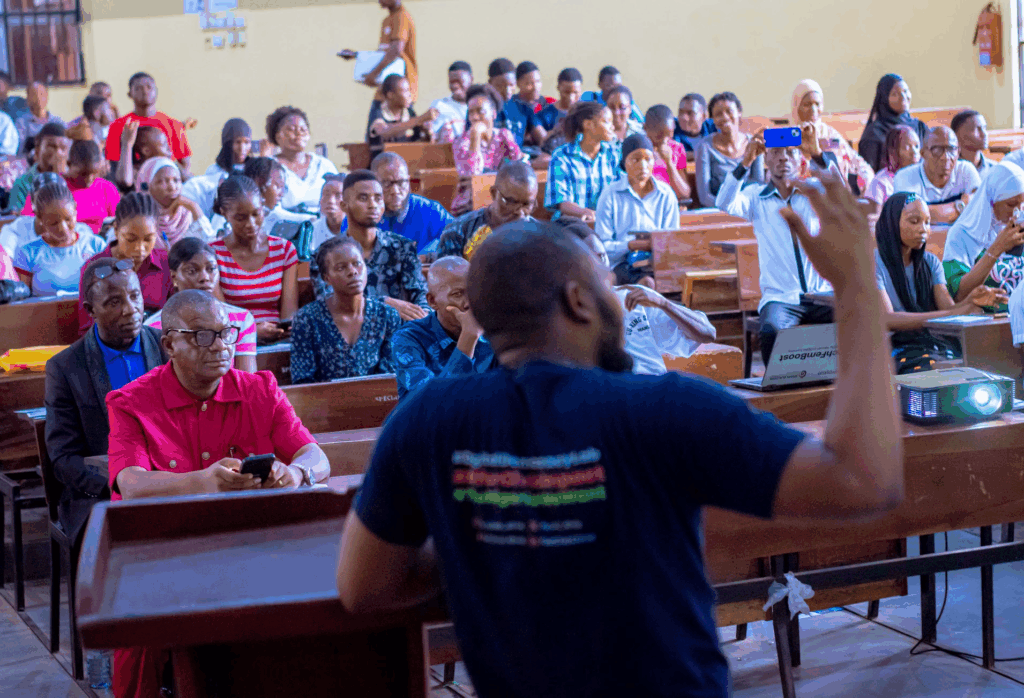
The Lagos State University (LASU), Ojo, hosted the final edition of the Artificial Intelligence Fundamentals Workshop, a regional capacity building initiative aimed at equipping young Nigerians with practical digital and media literacy skills.
Held in the School of Education’s 3-in-1 lecture theater, the workshop brought together students, journalists, and citizen activists for a day of intensive learning focused on artificial intelligence, fact-checking, and media accountability.
Organized under the Digital Democracy Lab project and supported by the Nigeria Youth Future Fund (NYFF), the workshop is the culmination of a regional tour that covered Oyo, Osun, Ekiti, Ondo and Ogun states.
Prof. Jade Jimoh, Dean, School of Communication and Media, Lagos State University, delivered the keynote address, highlighting the growing importance of artificial intelligence in combating misinformation and strengthening democratic accountability. He noted that while AI brings new challenges, it also provides powerful tools for verification and responsible journalism.
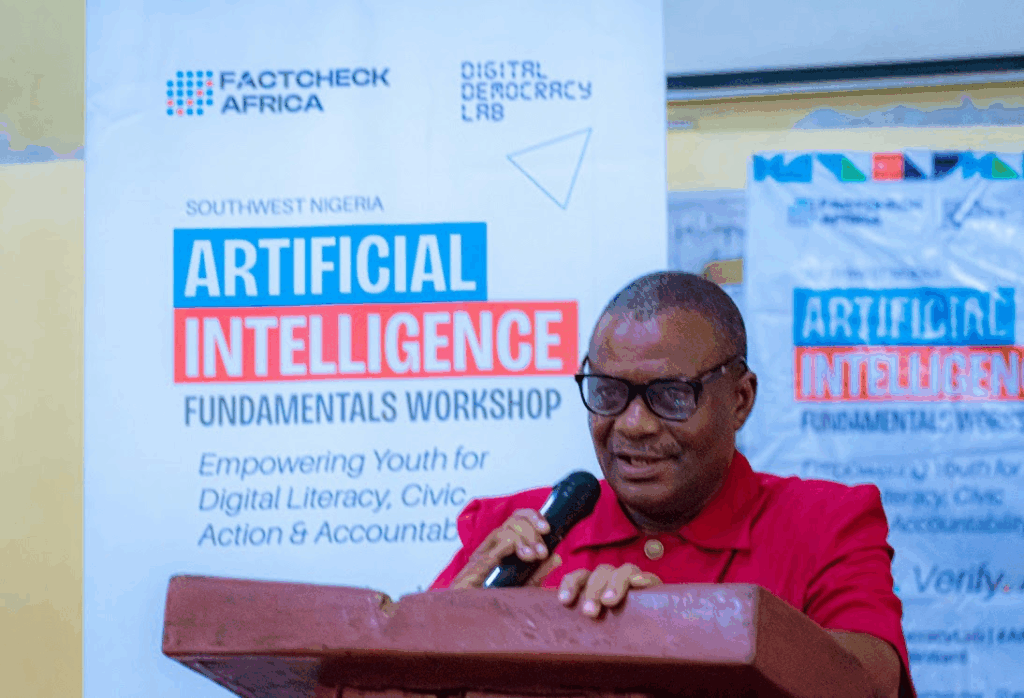
Participants were introduced to practical AI applications in media practices, including fact-checking platforms such as MyAIFactChecker. This tool is designed to help journalists and the public verify claims, especially during important events.
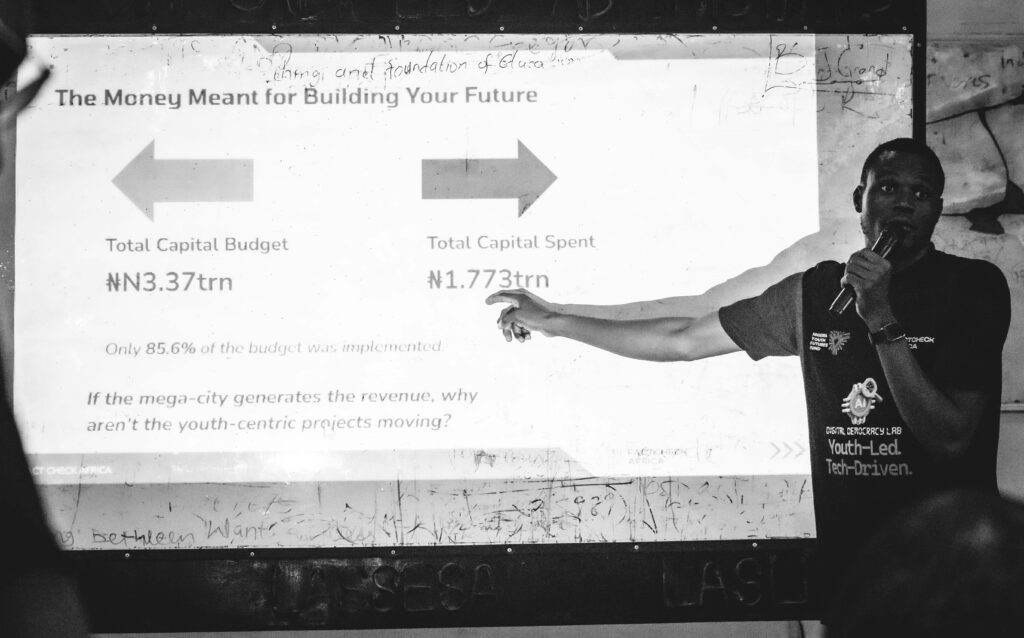
The main highlight of the workshop was the hands-on training session titled “AI Tools in Practice: Tracking Government Expenditures and Demanding Accountability” facilitated by Lukman Adeoti. The session went beyond general digital research to provide participants with practical skills for using AI for financial surveillance, fact-checking, and journalism. Using the Lagos State budget as a case study, participants were coached on real-world verification workflows and digital investigation methodologies to strengthen their ability to track public spending and hold institutions accountable.
Further sessions explored the broader implications of AI in governance and citizen engagement. In her presentation, Dr. Olasunkanmi Arowolo explored AI-driven approaches to media accountability, highlighting tools such as AI-powered audio monitoring systems and data analysis platforms that enhance investigative reporting and transparency. He emphasized the need for responsible use of AI, noting that while the technology can strengthen democratic processes, it also poses risks such as misinformation, algorithmic bias, and lack of transparency.
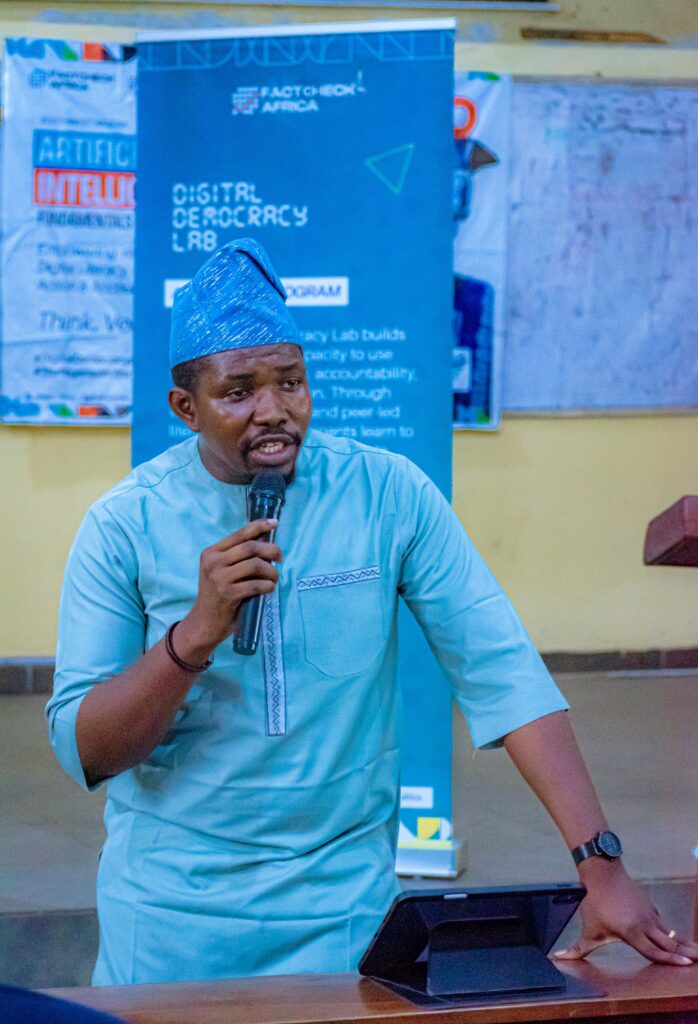
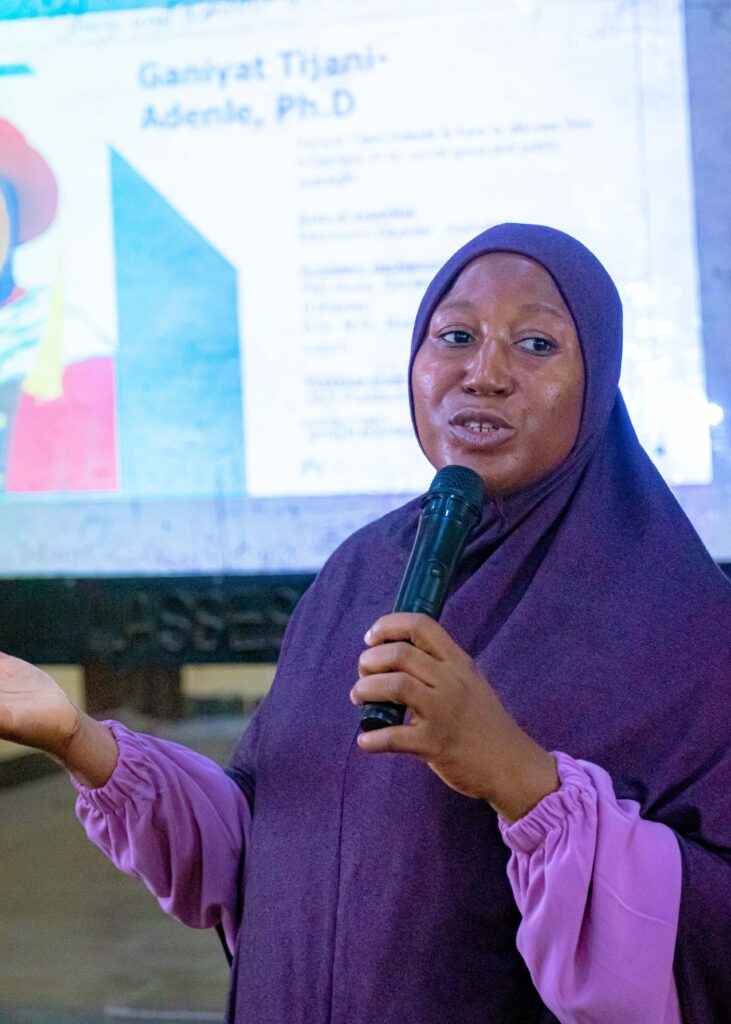
Similarly, Dr. Ganiyat Tijani Adenre mentioned the role of artificial intelligence in promoting social welfare and public oversight. He emphasized the dual nature of AI, which is both a tool for innovation and a potential source of information failure if not properly managed, and urged participants to adopt ethical practices in the implementation of digital technologies.
The workshop also showcased the work of FactCheckAfrica, highlighting its continued efforts to promote digital literacy, counter misinformation, and strengthen citizen engagement across Nigeria.
Regarding the impact of the program, organizers noted that the workshop series went beyond a theoretical initiative and facilitated the creation of participant-led accountability clusters to monitor public works and government spending at the community level.
Targeting 1,000 participants across six South-West states, the Lagos edition not only concludes a regional tour but also emphasizes the importance of equipping young people with the skills they need to navigate an increasingly complex information environment.
The event concluded with participant feedback, the awarding of certificates, and a renewed call for collaboration between young people, media professionals, and citizen activists in promoting the responsible use of AI and strengthening democratic accountability.