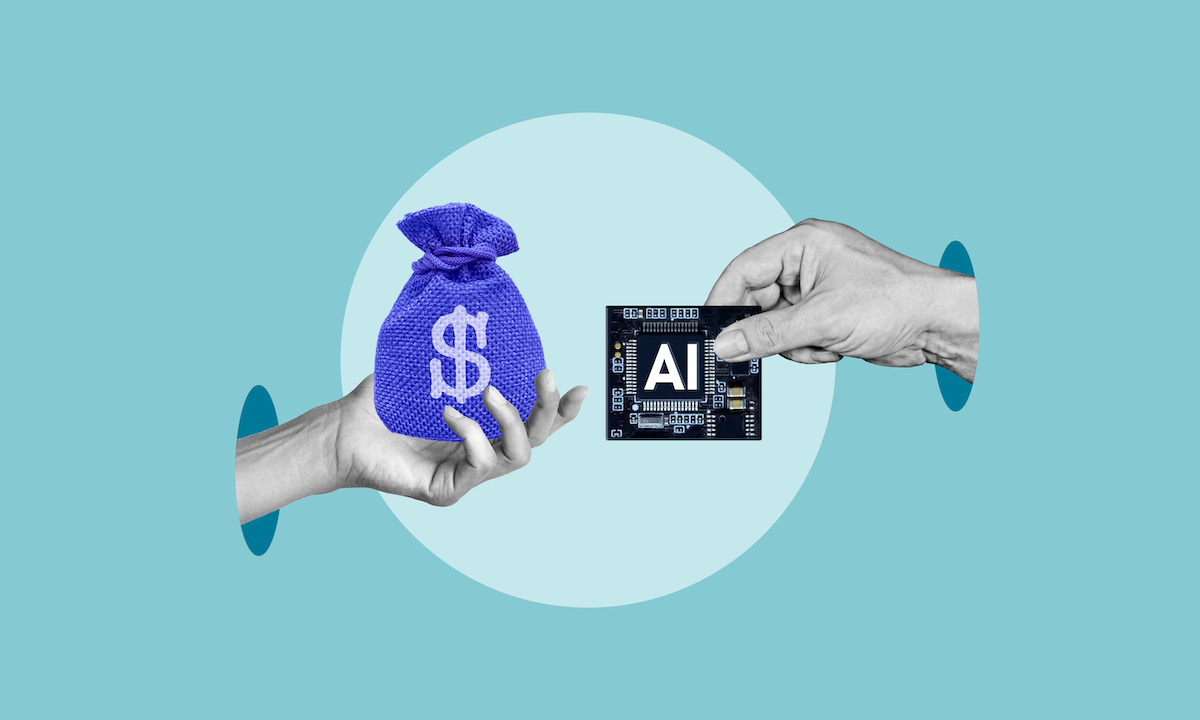
Uber co-founder Travis Kalanick’s company Atoms has raised $1.7 billion to develop physical artificial intelligence (AI) for all major industry sectors.
“Mining, construction, heavy-lift transportation, and food production are just a few examples of atom-intensive industries that are poised for massive digital transformation,” Kalanick said in an announcement on the company’s website. “Multiple trillion-dollar industries will rapidly transform over the next decade, powering prosperity unparalleled in human history.”
Industrial AI, including AI used in software, sensors, robotics, and job automation, will power the next industrial revolution, Kalanick wrote.
The equity investment will be led by Andreessen Horowitz (a16z), and the company’s co-founder and general partner Ben Horowitz will join Atom’s board of directors, according to the announcement.
In a blog post Wednesday, Horowitz wrote that just as computers have transformed information, robots will come to perform most of the menial tasks in the physical world.
“I think the most valuable thing we can do with AI and robotics is repeat what Uber did for transportation or what computers did for the digital world: make everything and everyone more productive,” Horowitz said. “There are so many companies out there working on this in various digital formats (and we have supported many of them!). But most of the work we do is still in the physical world, and the productivity frontier means physical productivity: making things, moving things, storing things.”
Atoms continues Kalanick’s journey to “digitize the physical world,” which started with Uber and continues with CloudKitchens and now includes Atoms, the company said in the announcement.
In an April post on LinkedIn, Kalanick announced that City Storage Systems, which operates CloudKitchens, Otter, Lab37, Picnic, and ProFood Properties, had been reorganized into Atoms.
He said the companies formed under City Storage Systems will serve as the foundation for Atoms Food, from which Atoms will expand into robotics, autonomous logistics, mining and transportation infrastructure.
“The meal was just the beginning,” Kalanick said in the post. “The deeper opportunity is to build systems that digitize the physical world. A future where software, robotics, and infrastructure work together to help extract minerals, manufacture goods, move them between cities, and deliver them to people everywhere.”
For all the PYMNTS digital transformation coverage, subscribe to our daily newsletter. Digital Transformation Newsletter.