
Dustin Stone, HTN Staff Writer – January 29, 2026
InterContinental Hotels Group (IHG Hotels & Resorts) has steadily increased its technology efforts in recent years, investing in initiatives that modernize operations, improve the guest experience and unlock new efficiencies for owners. From rolling out advanced mobile check-in and digital key capabilities to integrating more predictive analytics into revenue and distribution systems, IHG has made technology a cornerstone of its strategy as the hospitality industry evolves.
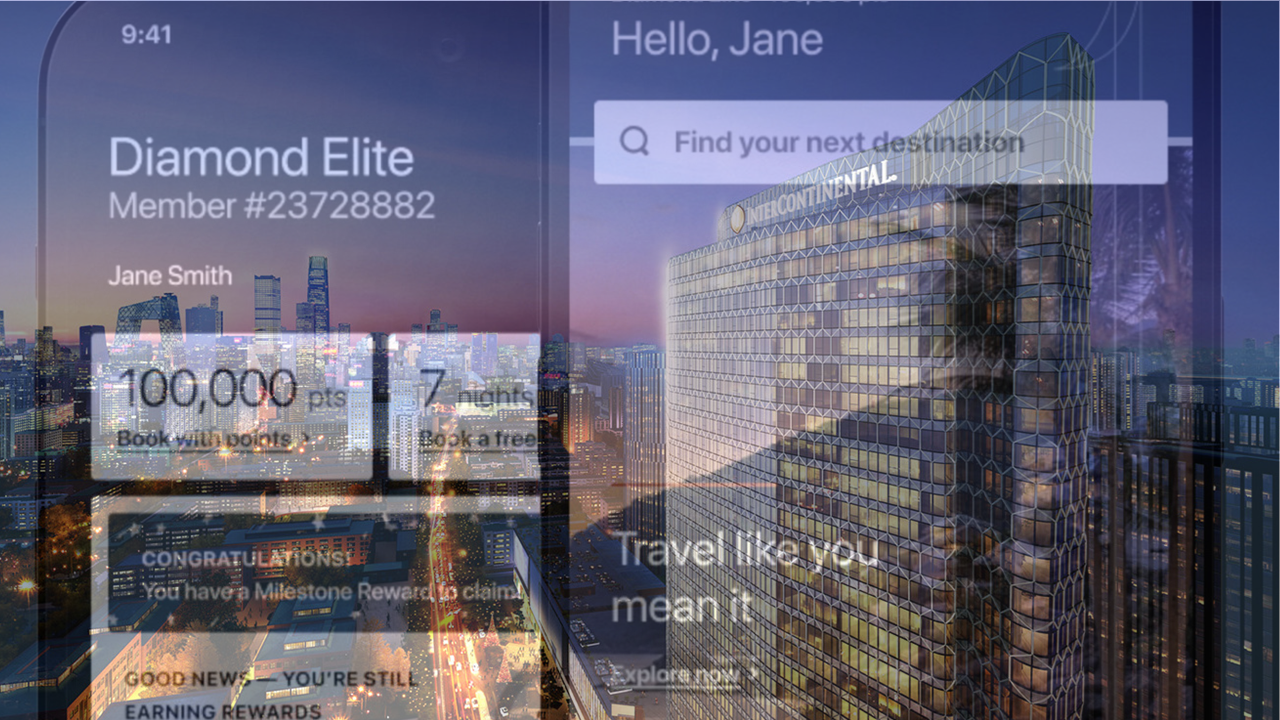
For example, the company’s IHG One Rewards platform is at the heart of its personalization efforts, fusing guest preferences, loyalty data and digital touchpoints across the booking funnel. Behind the scenes, IHG has expanded its use of cloud-native infrastructure, data lakes, and API-driven integrations with key partners to reduce technical debt and accelerate the delivery of new features. These efforts reflect an industry-wide shift toward technology architectures that support real-time experiences, operational agility, and scalable innovation.
This ongoing digital transformation has entered a new phase with IHG’s appointment of global technology executive Wei Manfredi as senior vice president of AI and architecture, the company announced Tuesday. In this newly created role, Mr. Manfredi will lead IHG’s artificial intelligence strategy, strengthen its technology and data architecture, and foster strategic partnerships with leading technology organizations to ensure the company’s approach to AI is “grounded in innovation, operational excellence, and accountable and secure.”
Mr. Manfredi joins IHG with deep technology expertise and a strong background in franchise-driven companies. She most recently served as Vice President of Global Architecture, Data, and Generative AI at McDonald’s, where she was instrumental in widespread AI implementation across large locations around the world. Previously, he held leadership roles at Google Cloud, Lululemon, and Visa. All of these companies are known for their large and complex technology ecosystems and high standards of data governance and security.
For IHG, the creation of a senior management position with clear responsibility for AI and enterprise architecture marks a shift from tactical experimentation to strategic engineering. Rather than treating AI as a series of point solutions (a chatbot here, a recommendation engine there), the company is putting AI at the center of its operating model. The goal is to embed intelligence across core systems and functions, from property management and revenue optimization to guest engagement and workforce automation.
That ambition aligns with IHG’s extensive technology investments. In recent years, IHG’s proprietary revenue management tools have been enhanced, increased integration with cloud-native partners for data processing, and increased focus on guest lifecycle management solutions that leverage behavioral data. IHG’s loyalty ecosystem is also powered by digital capabilities designed to improve personalization, mobile interactions and cross-channel engagement.
In this context, Mr. Manfredi’s appointment is timely and strategic, bringing seasoned leadership to the technology space that integrates data, architecture, governance and innovation. As hotels grapple with rising guest expectations, labor cost pressures, and competitive digital services, AI is more than just a differentiator, it’s a means to scale.
The move puts IHG in the middle of a broader competitive environment where major hotel groups are ramping up their AI efforts. Marriott International has been driving AI-powered personalization and customer insights across its portfolio. Wyndham Hotels & Resorts continues to explore AI to support franchise operations and dynamic pricing. Hyatt Hotels has emphasized incorporating machine learning into the digital guest journey and internal operations. There is a clear trend across the industry, with major brands moving away from point use cases to enterprise-wide AI strategies that touch multiple systems and workflows.
One of the key differences in this next wave of adoption is the focus on practical, autonomous AI capabilities—systems that not only uncover insights, but also trigger actions, automate work, and continuously optimize decision-making. Achieving this level of maturity requires a solid technology foundation, disciplined data governance, and an integrated architecture.
For hotel owners and operators, the promise of AI goes beyond digital convenience. This concerns operational consistency, staffing efficiency, demand forecasting, and revenue performance. As hoteliers face a tightening labor market and rising consumer expectations for seamless, personalized experiences, technology that reduces friction and enables smarter decisions in real-time has become a business imperative.
IHG’s statement emphasized that the appointments reflect its commitment to “delivering meaningful benefits for our owners, guests and teams.” Although specific product plans related to Manfredi’s role have not been disclosed, the strategic direction is clear. IHG is strengthening its technology leadership, positioning AI as a foundational capability rather than an ancillary enhancement.
As the company moves forward, the success of this strategy will depend on aligning its internal teams, franchise partners, and technology ecosystem around a consistent architectural vision that enables rapid innovation while protecting security, privacy, and operational continuity.
In an era where data is a hotel’s most valuable asset and AI is the engine that unlocks its potential, IHG’s elevation of AI and architecture to the executive suite reflects both the scale of the opportunity and the complexity of the challenge. How effectively the company executes on this vision will not only impact its competitive position, but also serve as a usher in the industry’s broader transition to AI-driven hospitality.