introduction
In the past, converting still images to video required advanced video editing skills and specialized software. Designers often spent hours creating motion effects, transitions, and animations.
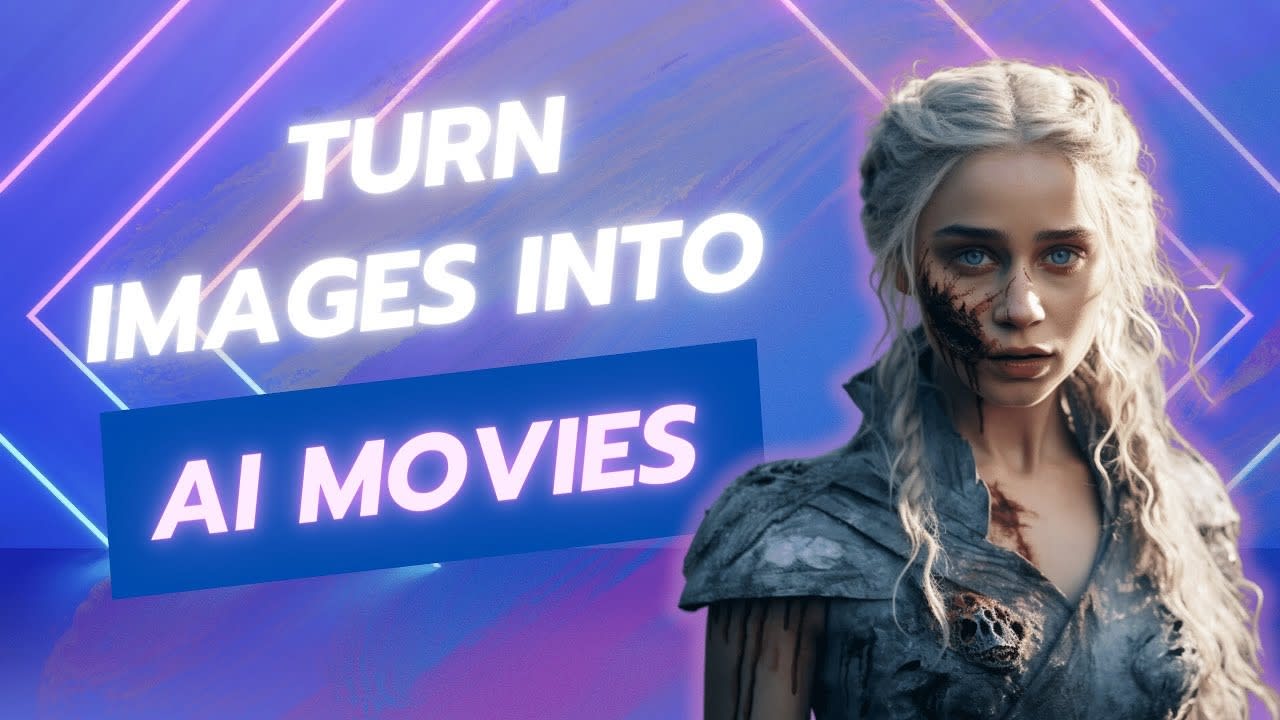
Artificial intelligence is now simplifying this process. Modern AI tools can analyze images and automatically generate motion, allowing creators to turn static visuals into short videos in minutes.
This technology is increasingly being used for social media content, digital marketing, storytelling, and educational visuals.
Understand AI Image-to-Video Technology
Ann AI image to video generator A system that converts still images into short animated videos. It works by analyzing the visual elements of an image and applying simulated motion effects.
Instead of manually animating each frame, the AI model interprets the depth, objects, and background within the image. Based on this understanding, the system can add camera movements such as zooms, pans, or subtle object movements.
This approach makes video creation accessible to users with little or no editing experience.
Why visual content is moving to video
Video-based content is increasingly becoming a priority on digital platforms. Social networks and content platforms often promote videos because they attract more attention and engagement than static images.
Short videos can convey ideas quickly and create a more powerful visual experience. As a result, many creators are experimenting with ways to convert existing images into motion content rather than creating a full video from scratch.
How AI converts images into movement
The process of converting images to videos involves several automated steps.
image analysis
First, the AI system scans the image to identify important elements such as objects, faces, background, and lighting.
Depth interpretation
The system then estimates the spatial relationships between elements in the image. This step allows the AI to distinguish between foreground objects and background layers.
motion generation
AI understands the structure of the scene and applies motion effects. These effects may include camera pans, zooms, or subtle animated movements.
video rendering
Finally, the system compiles these motion effects into short video clips that can be exported or shared.
Tools that support image-to-video creation
Several AI platforms currently offer automatic image transformation capabilities. Some tools focus on simple animation effects, while others offer more advanced cinematic motion features.
For example, tools like ImageMover are often referenced in discussions of AI-based image animation to demonstrate how static visuals can be quickly transformed into short motion clips.
Rather than replacing traditional video editing software, these tools provide an easy entry point for beginners and casual creators.
Common applications of AI image animation
Image videos generated by AI are used in various fields of digital media.
social media content
Creators often turn photos into short animated clips for platforms that prioritize video content.
digital marketing
Companies sometimes animate product images to make their ads more visually appealing.
teaching materials
Teachers and trainers can add movement to diagrams and illustrations to enhance the learning experience.
creative project
Artists and designers often experiment with AI animation to bring still images to life.
Tips to improve image to video conversion results
The quality of the final video often depends on the quality of the original image. Sharp, high-resolution images typically produce smoother animations.
Images with simple backgrounds tend to work better because the AI can easily separate the subject from the environment. Blurry or overly complex images can lead to unconvincing motion effects.
Choosing your motion style carefully can improve the final result.
The growing role of AI in content creation
Artificial intelligence is gradually changing the way visual media is produced. Tasks that once required specialized skills can now be performed automatically with the help of machine learning systems.
Tools classified as AI Image to Video Generator platforms clearly demonstrate this shift. They allow users to experiment with animation, storytelling, and visual communication without requiring extensive editing knowledge.
As AI models continue to improve, the quality and realism of these generated videos is likely to become even more sophisticated.
conclusion
The ability to convert a single image into video highlights how artificial intelligence is reshaping digital creativity. What once required professional editing tools can now be achieved with automated systems that analyze images and generate motion.
AI-powered image animation tools, whether used for social media visuals, presentations, or creative storytelling, including solutions such as: image mover — shows how accessible video creation has become.
Rather than replacing human creativity, these technologies offer new ways for creators to experiment with visual storytelling and motion.