

The fascinating story of “Red Pixels in the Snow” is a spectacular real-world example of how AI can solve mysteries.
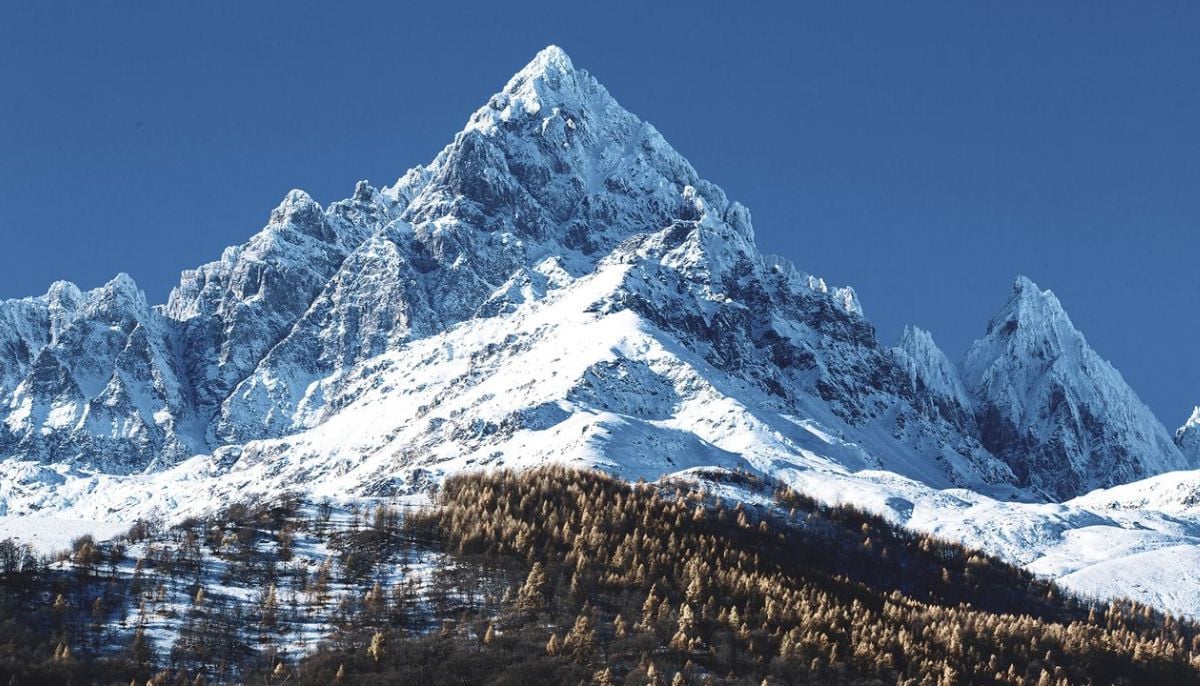
In September 2024, orthopedic surgeon and experienced mountaineer Nicola Ivaldo suddenly disappeared while climbing Moncivo, the highest peak in Italy's Cotsian Alps.
The 66-year-old man was the subject of an intense search by rescue teams, which lasted several weeks using helicopters and ground crews.
Winter storms forced the search to be called off in October, and the case remained a mystery for nearly a year.
However, in July 2025, the Italian National Mountain and Speleological Survey (CNSAS) returned to the mountain, and the search officially resumed. Using mobile phone signal data, they narrowed the search area on the dangerous north face to 183 hectares.
The investigation involved sending two drones into the Perotti Canal, an area considered too dangerous for human rescuers. Within hours, the drone captured 2,600 high-resolution images.
Analyzing these images is difficult and can take humans months. Instead, according to BBCthe AI flagged a small anomalous cluster of bright red pixels against a background of gray rocks and white snow. Rescuers suspected it was Ivaldo's red mountaineering helmet.
The pilots recognized the mission as a technologically-enabled feat of humanity, as the bodies were in a place where humans could not safely see them. This technology has made it possible to explore dangerous places without risking people's lives on steep and unstable rocks.
In this connection, the mountain rescuers themselves are collaborating with the geomatic team of the Politecnico di Turin. “Our idea is to develop more complex software that can analyze all datasets from search operations and manage the drones within the same system as the team in the field.”
He added: “The challenge going forward will be to incorporate these complex analyzes directly on board the drone and during the SAR flight.”
Recent successes are driving the integration of AI and drones around the world and the use of thermal AI to detect human bodies.
Additionally, other research teams are working with rescue organizations to use AI in various ways to improve search efforts.


