ByteDance has reportedly postponed the global launch of its AI video model SeaDance 2.0 following copyright infringement claims from a major Hollywood studio, showing just how convincing AI-generated videos are becoming.
According to The Information, rumors of a postponement had already been circulating, but the official release date has not yet been determined, and no new release date has been set. ByteDance originally planned to ship this model globally in mid-March, via an API via its internal cloud platform BytePlus for startups and enterprise customers, and as a standalone app for consumers outside China. Instead, the company’s legal team is currently sorting out outstanding issues while engineers build in safeguards to prevent further piracy.
The new filter is already causing headaches in China. According to The Information, paid users report much higher rejection rates for even innocuous prompts. On the corporate side, ByteDance is tightening access to models, restricting their use for content distributed only within China, and reportedly requiring a commitment of at least 10 million yuan ($1.45 million) to get to the negotiating table.
Hollywood studio claims Seadance copyright infringement is ‘systematic’
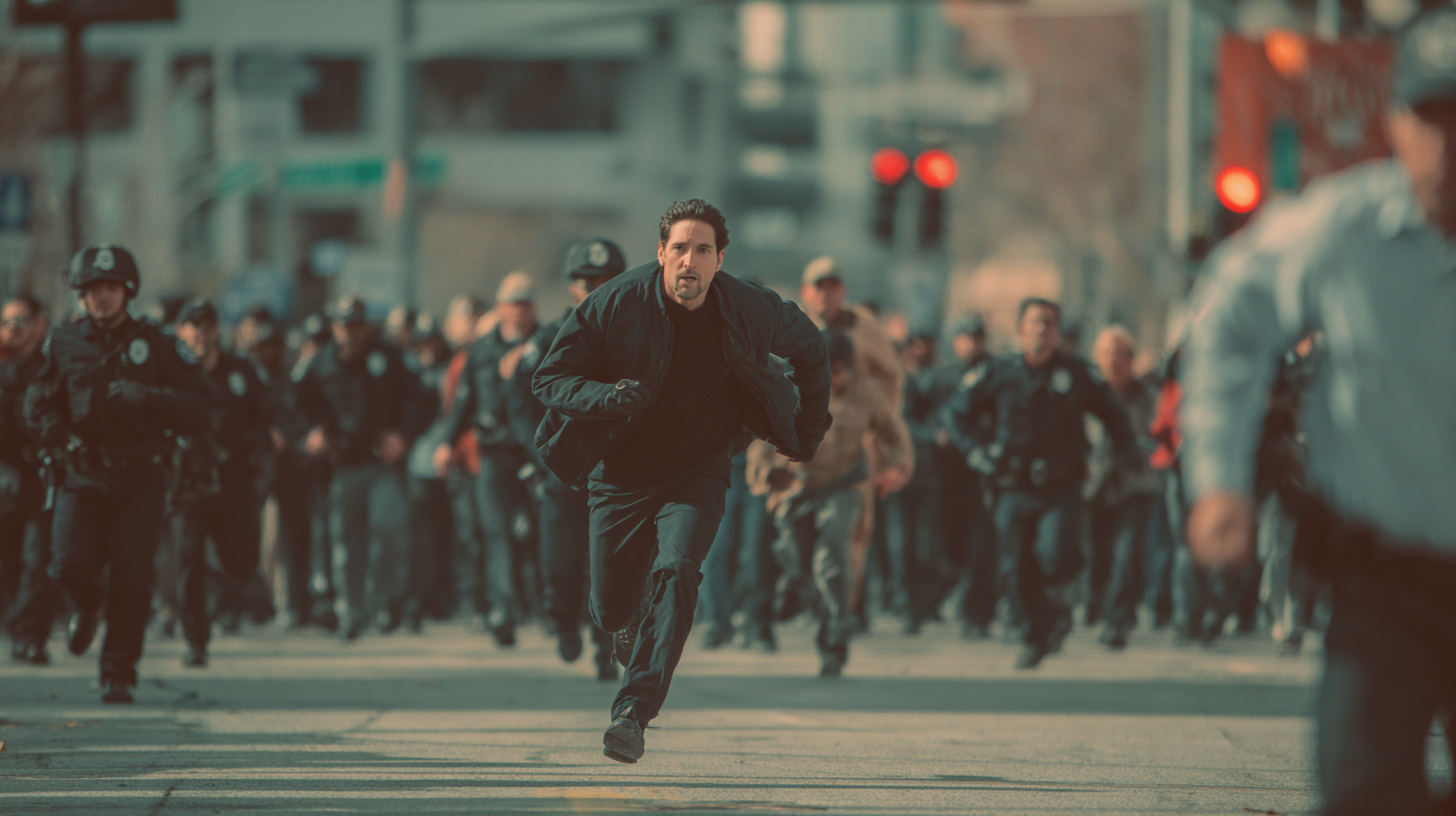
The delay is due to a flood of copyright complaints from Hollywood. Seedance 2.0 launched in China in February and quickly gained attention for producing hyper-realistic videos, including some featuring copyrighted characters and celebrities.
These clips went viral on social media, racking up millions of views. Examples include the brawl between Brad Pitt and Tom Cruise, the lightsaber duel between Darth Vader and Deadpool, and the generated “short version” of The Lord of the Rings.
Disney sent a cease-and-desist letter to ByteDance, accusing the company of using “a pirated library of Disney copyrighted characters” and calling the model a “virtual smash-and-grab.” Netflix, Warner Bros., Paramount Skydance, and Sony sent their own cease-and-desist letters shortly after.
The Motion Picture Association called this “systematic infringement” and argued that the copyright infringement was a feature of the model, not a bug, and an intentional decision by ByteDance. Actors union SAG-AFTRA also called for an end to the violations, while Japan launched its own investigation into possible infringements involving animated characters.
ByteDance told the BBC it respects intellectual property and is committed to stronger protection. This is a familiar playbook at this point. OpenAI has also repeatedly had to deal with copyright infringement after releasing its own models.
AI News Without the Hype – Curated by Humans
as The Decoder Subscriberyou can read without ads. Weekly AI Newsletterexclusive “AI Radar” Frontier Report 6 times a yearaccess to comments, and Complete archive.
Subscribe now