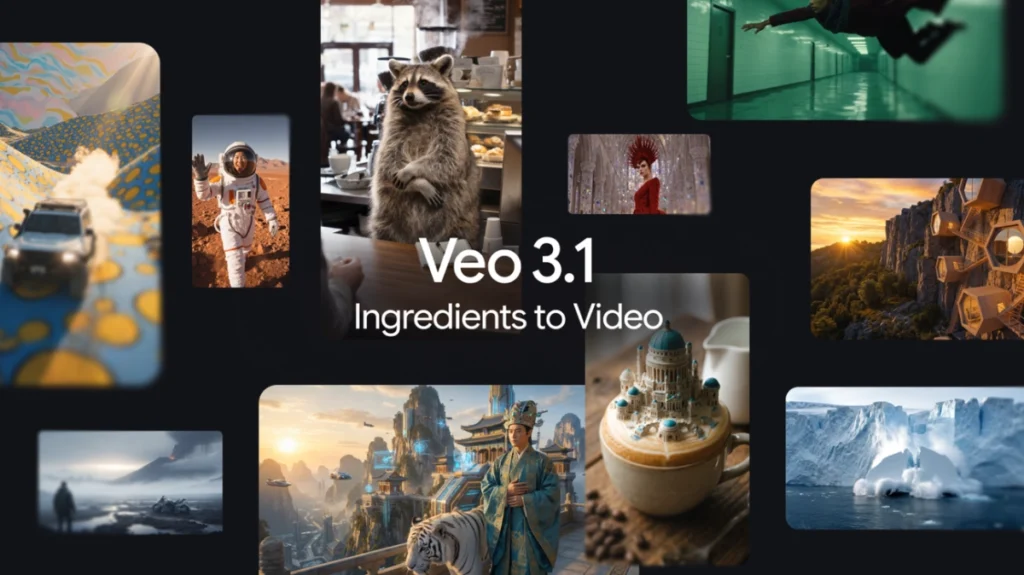
Google Veo 3.1 introduces native vertical video output, 4K upscaling, and solves important text and background consistency issues in AI-generated clips.
Google Veo 3.1, the latest update to Google’s generated video model, represents a strategic shift toward instant, actionable content creation specifically targeted at the mobile-first short-form video market. This release is more than just incremental quality improvements. This addresses the key technical hurdles of consistency and resolution that plagued early text-to-video tools. By focusing on turning “material images” into expressive, narrative clips, Google positions Veo 3.1 as a practical tool for creators, rather than just a novelty generator.
The most important technical improvements are focused on maintaining visual integrity. Previous generative models struggled greatly with character and object persistence, often causing visually jarring changes between frames or scenes. Veo 3.1 claims to solve this problem by improving the consistency of character identities and maintaining the integrity of backgrounds and objects even when settings change. This feature is essential for any form of continuous storytelling or narrative development, moving the model from producing individual clips to producing usable multi-scene content. According to the announcement, this consistency allows creators to use the same character in multiple scenes to tell a complete story, a necessary feature for professional workflows.
Vertical video and professional workflows
The introduction of native 9:16 vertical output from raw to video clearly recognizes the current media landscape dominated by YouTube Shorts and TikTok. Generating video natively in portrait mode eliminates the need for tedious cropping or quality loss, and instantly optimizes the output for mobile viewing. This feature alone greatly reduces friction for creators working in the short-form format ecosystem. At the same time, Google is polarizing its services by introducing cutting-edge upscaling to 1080p and 4K resolutions, but this high-fidelity option is reserved for enterprise tools like Flow, Gemini API, and Vertex AI. This separation allows consumers to enjoy mobile utility while professional users can ensure broadcast-ready quality for high-end productions.
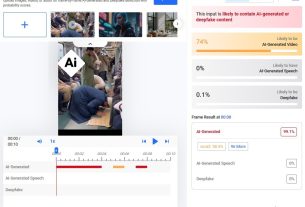
Google Veo 3.1’s widespread integration across the Google ecosystem is perhaps the most powerful element of this release. Google is building enhanced features directly into Gemini apps, YouTube Shorts, YouTube Create, and Google Vids to ensure maximum market penetration. This strategy will make Veo 3.1 the default generation engine for millions of users already working within Google’s content platform, instantly challenging competitors that don’t have such deep integration channels. Additionally, our commitment to transparency, such as embedding imperceptible SynthID watermarks and expanding verification tools in Gemini apps, is essential to building trust in a rapidly evolving AI media environment.
Google Veo 3.1 is a calculated move that prioritizes utility and ecosystem advantages over pure, unrestrained photorealism. While models like Sora have garnered attention for their stunning visual fidelity, Google is now focused on delivering products that are reliable, integrated, and workflow-ready. By solving core consistency issues and optimizing for mainstream mobile formats, Veo 3.1 positions itself as a strong contender for the immediate future of AI-assisted video production, setting its integration depth and practical feature set against competitors.