GitHub launched a technical preview of the Copilot SDK on January 22nd, allowing developers to embed AI agent functionality directly into their applications. The SDK exposes the same run loop used by the GitHub Copilot CLI, providing programmatic access to planning, calling tools, editing files, and running commands.
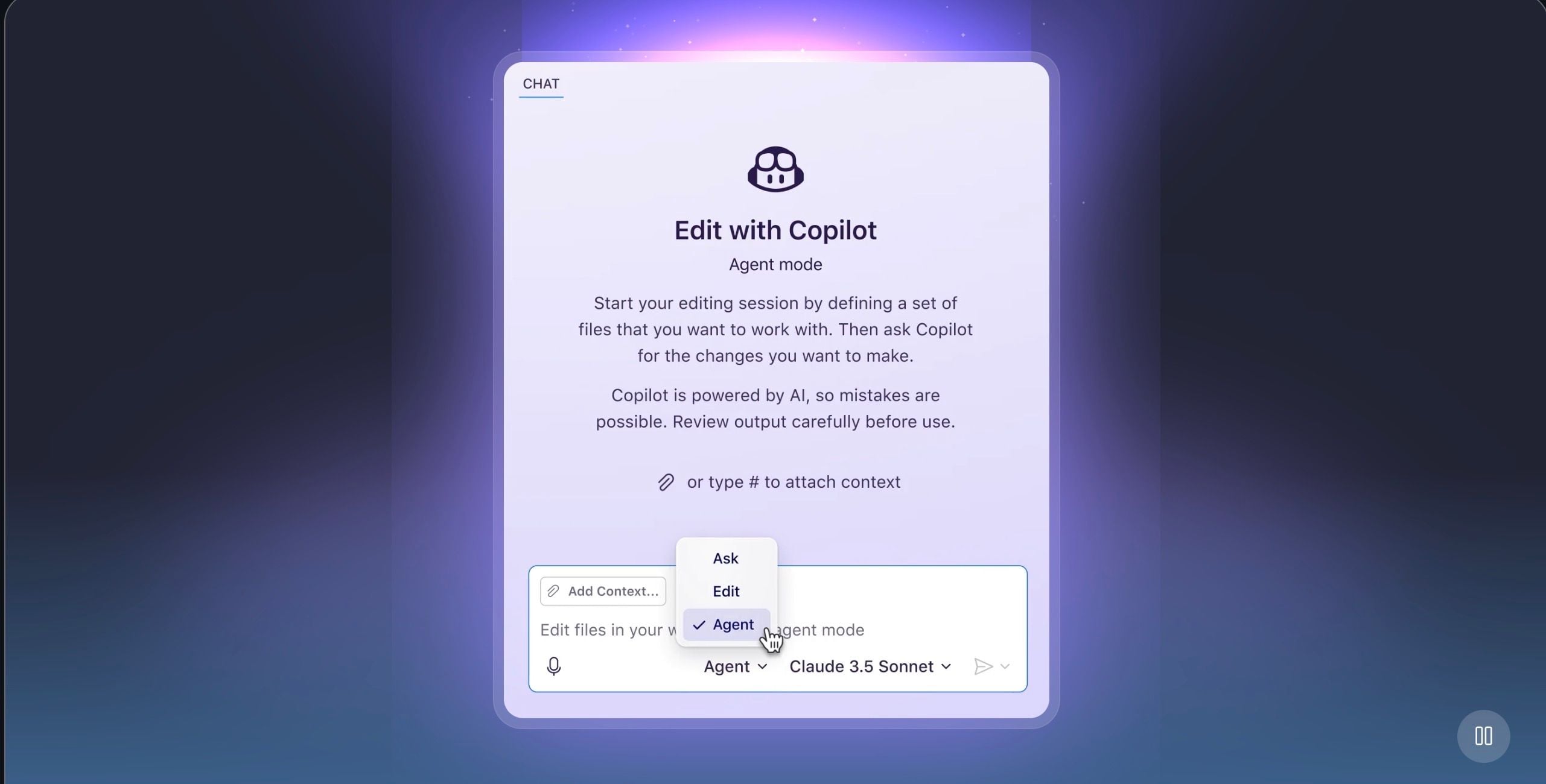
Developers can now integrate Copilot’s agent runtime into Node.js, Python, Go, and .NET applications without building a custom planner or runtime. The SDK supports multiple AI models, custom tool definitions, model context protocol server integration, and real-time streaming. A GitHub Copilot subscription is required for access.
“Building agent workflows from scratch is difficult,” says GitHub’s Mario Rodriguez. “Even before you get to the actual product logic, you’re already building a small platform.”
The SDK aims to reduce this complexity by providing a production-tested infrastructure.
Our internal GitHub team used the SDK to build tools such as a YouTube chapter generator, summarization tools, custom agent interfaces, and voice command workflows. The company also mentioned applications such as games where players compete against AI and custom GUIs for agent management.
The SDK is built directly on Copilot CLI features that recently gained persistent memory, multi-step workflows, full MCP support, and asynchronous task delegation.
“The SDK leverages the agent capabilities of the Copilot CLI and makes it available in your favorite programming language,” Rodriguez wrote. “This allows us to integrate Copilot into any environment.”
The developer defines the behavior of the agent, and Copilot handles the planning, tool invocation, file editing, and execution steps. The host application provides the tools and constraints, and GitHub manages authentication, model access, and session handling. Users can use an existing GitHub Copilot subscription or provide their own API key.
The technical preview includes setup instructions, starter samples, and SDK references for each supported language. GitHub recommends starting with a single task, such as updating a file or running a command, and expanding to more complex workflows.
This release comes after developers reported persistent issues with GitHub Copilot’s existing agent functionality. The January 23 analysis detailed issues such as inconsistent variable names, mismatched data types, and unnecessary task execution. Some users reported that the agent rewrote entire files instead of making targeted changes.
“Unless I tell it not to do anything migration-related, migrations will try to do so every time,” writes developer Zunaid Ali.
Analysis revealed that Copilot sometimes causes race conditions and does not follow clean coding practices.
The SDK’s streaming capabilities allow your application to receive responses in stages, allowing you to update the UI incrementally without waiting for complete completion. This matches Copilot CLI’s existing real-time streaming in terminal environments.
GitHub positions the SDK as the execution layer where developers control how components are used within their applications. The company manages the underlying infrastructure, and developers focus on domain-specific tools and task descriptions.
The open repository contains samples that demonstrate how to create a Copilot client, start a session using a specified model, and send prompts programmatically. Each language binding supports multi-turn conversations using session history and programmatic control over the client and session lifecycle.
Model context protocol integration provides standardized connectivity to external systems such as internal APIs, document stores, and operational tools. This replaces ad hoc prompt engineering with structured metadata and consistent discovery mechanisms.
The SDK’s authentication is integrated with GitHub’s existing identity and access control system and is important for enterprise environments with standardized security requirements. Streaming support allows applications to render partial responses as the agent makes decisions and executes them.
GitHub’s move follows broader industry trends toward embedded AI capabilities, as well as Google’s Project Genie AI initiative. This SDK represents a transition from a standalone coding assistant to a programmable infrastructure that can be integrated into a variety of development workflows and application types, similar to how Microsoft has expanded Copilot integration across its ecosystem.