Amid growing concerns that women are at risk of falling behind in their careers due to low adoption of AI and STEM, Strathcona Girls Grammar has launched a pioneering new technology program and AI and STEM lab aimed at putting girls at the forefront of emerging technologies.
According to a survey by Indeed job site, 81% of men report using AI tools at work, compared to just 70% of women, a difference of 11 percentage points. Gender disparities have been significant in STEM fields for years, with women making up less than 16% of the engineering workforce and only 28% of the IT sector. Research shows that girls’ interest in STEM often wanes during the middle years of schooling unless it is intentionally fostered through exposure, encouragement, and opportunities to build confidence.
Strathcona’s new CORAL Lab directly addresses this gap by providing girls in grades 7 to 12 with applied experiences to learn and practice advanced AI skills, experiment with a variety of cutting-edge technologies, and solve real-world problems.
In the lab, students will participate in a variety of projects ranging from coding and robotics to AI-driven game design and student-led app development. Advanced students engage in critical analysis of AI output, building judgment and ethical reasoning along with technical skills.
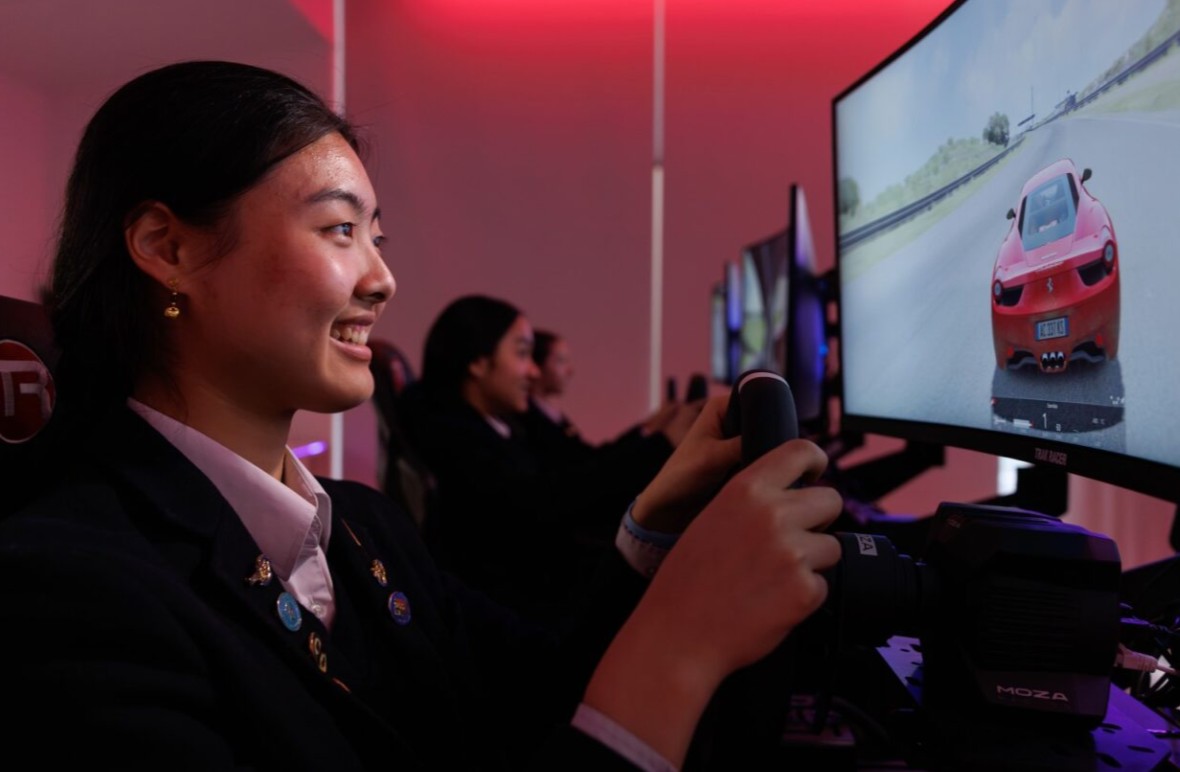
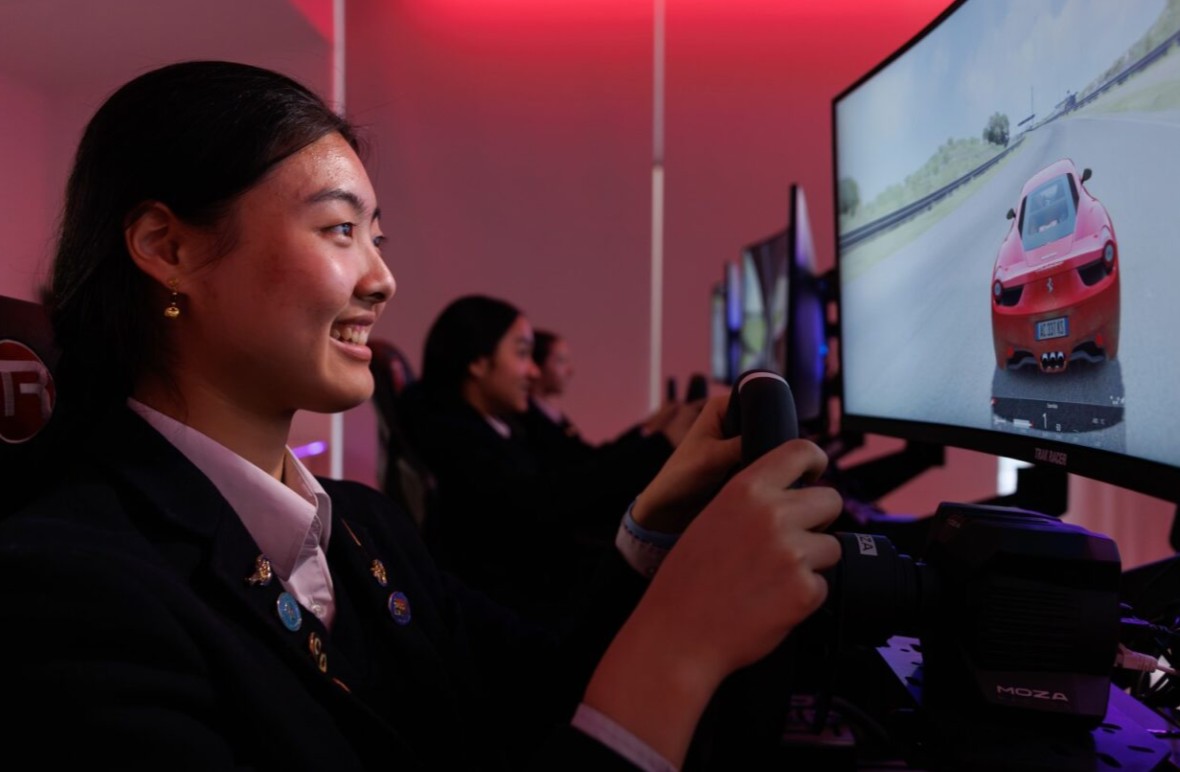
Co-curricular opportunities in this space include robotics and engineering clubs (including Spheros, micro:bit, and LEGO Mindstorms), an AI bootcamp and hackathon, a driver simulator, and a VR exploration space. The lab will also support participation in e-sports competitions and national and global innovation events such as the “Ferrari AI Challenge – Powered by HP with Intel”.
As part of the program, Strathcona is collaborating with leading industry and technology organizations such as Alyve Technologies and CompNow to deliver technology that supports the development of student digital literacy and AI fluency across school communities.
Strathcona is already incorporating AI tools into classroom learning, and students are actively using these technologies to enhance everything from brainstorming in English to problem solving in chemistry to modeling in math.
The lab builds on Strathcona’s formal AI policy, which sets clear expectations for authorship, disclosure, and responsible use, while giving students space to experiment, explore, and apply AI to real-world challenges. This hands-on, immersive approach enables students to become active innovators, ready to tackle the complex problems of the future, rather than just passive users of technology.
Teachers will receive AI training on tools like Microsoft Copilot, and parents and the community will be invited to hands-on workshops that bring AI to life and demonstrate its real-world potential.
Strathcona Girls’ Grammar principal Lorna Biegun said that although the technology sector was rapidly evolving, women were still underrepresented in STEM and leadership roles.
“AI gives us a real opportunity to equip girls with the skills, confidence and experience they need to lead in technology and shape their future,” Biegun said. “While many schools are still grappling with how to teach AI, we are embedding it directly into the classroom.”
Biegun said the CORAL Lab gives the school’s students the opportunity to take leadership in STEM fields and use AI responsibly, critically and impactfully.
“We are giving young women the digital fluency, creative confidence and ethical framework they need to succeed in an AI and technology-driven world.”
Kara Baxter, vice principal for teaching and learning, said the school’s CORAL Lab was a “bold step forward” in rethinking how students approach learning in a rapidly changing world.
“At this hub, students will not only gain technical skills in areas such as coding, robotics and digital design, but also develop critical thinking, creativity and problem-solving skills that will prepare them for future study and work,” Mr Baxter said.
“This will be a space where girls are encouraged to explore, question and create, where their voices and ideas will shape the technology of tomorrow.”