

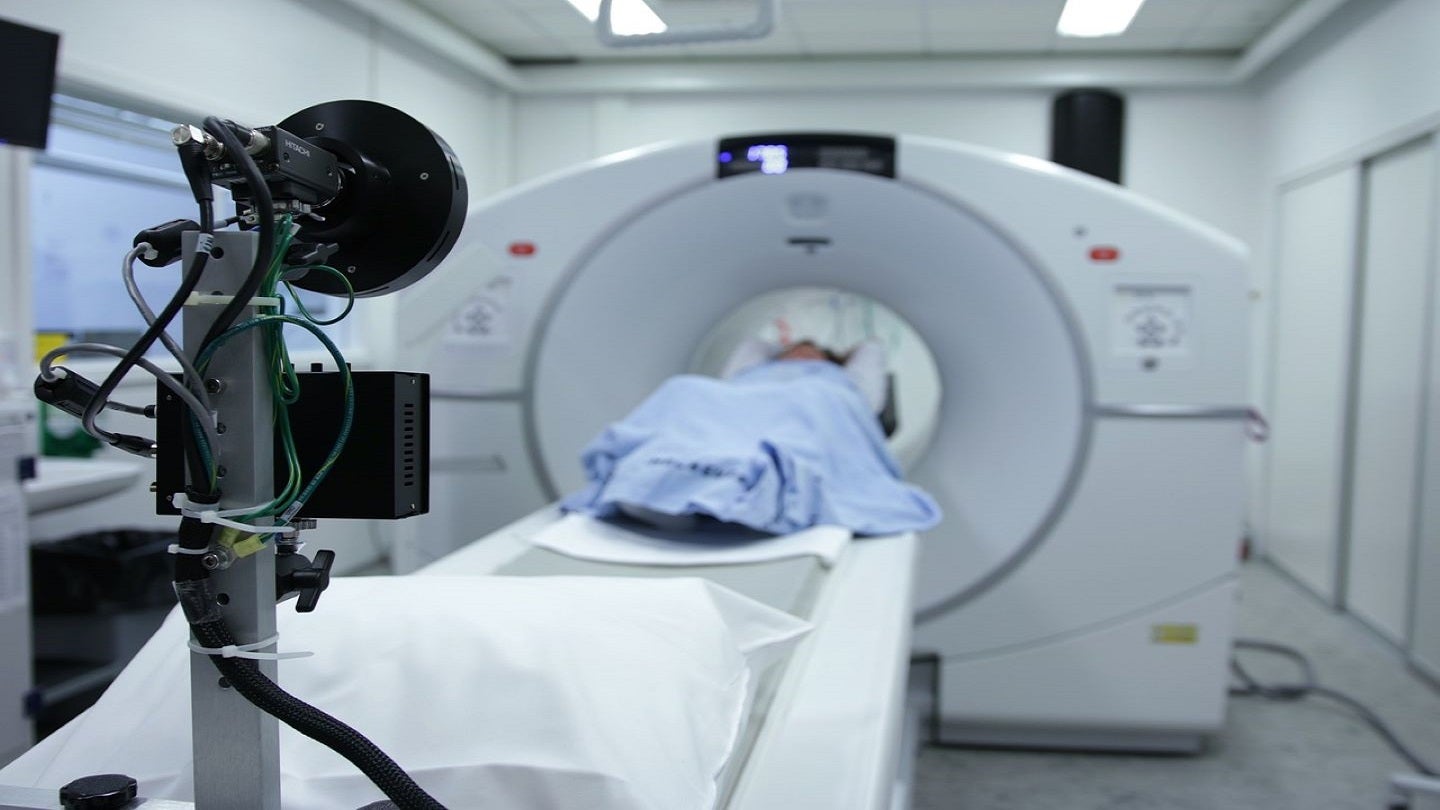
GE Healthcare has been awarded a $30 million contract by the US-based St. Luke’s University Health Network for the installation of 21 artificial intelligence (AI)-powered computed tomography (CT) systems.
GE HealthCare scanners offer a wide range of clinical applications. Its smart subscription enables seamless integration with St. Luke’s existing network, enhancing the scanner with regular AI and software updates.
The availability of continuous technology updates will extend the life of these CT machines and improve the patient experience.
Catherine Estrampez, President and CEO, GE Healthcare US and Canada, said: “GE Healthcare has partnered with St. Luke’s to bring her state-of-the-art CT technology across the network, along with regular software upgrades and updates to keep her CT system current. I am honored to be able to do it.”
“These updates will enable more standardized care for our patients using the latest capabilities available without the need for additional investment in new equipment to keep up with the latest technology.”
New CT techniques are useful not only for mapping vascular structures, but also for detecting lesions and tissue abnormalities.
It can also capture intricate details inside the head and neck, which play an important role in diagnosing stroke.
CT technology allows for faster scans and sharper images, while future advances may reduce radiation dose.
The scanner is expected to benefit pediatric patients, trauma cases and advanced cardiac examinations through the introduction of GE HealthCare’s SnapShot Freeze technology.
In addition, automatic motion compensation technology and the GE HealthCare scanner’s fast rotation speed and wide coverage area allow you to acquire a complete image of the heart in a single heartbeat, regardless of heart rate.
Dr. Hal Follander, Chief Medical Strategy Officer and Senior Vice President, St. Luke’s Hospital, said: This will allow patients to access this technology wherever they go for their St. Luke’s treatment.
“This investment will enable faster, more informed and accurate diagnoses while reducing patient inconvenience.”


