The London-based startup helps creators make millions by giving fans access to exclusive content. Will the company’s AI tools help it beat incumbents like Patreon and OnlyFans?
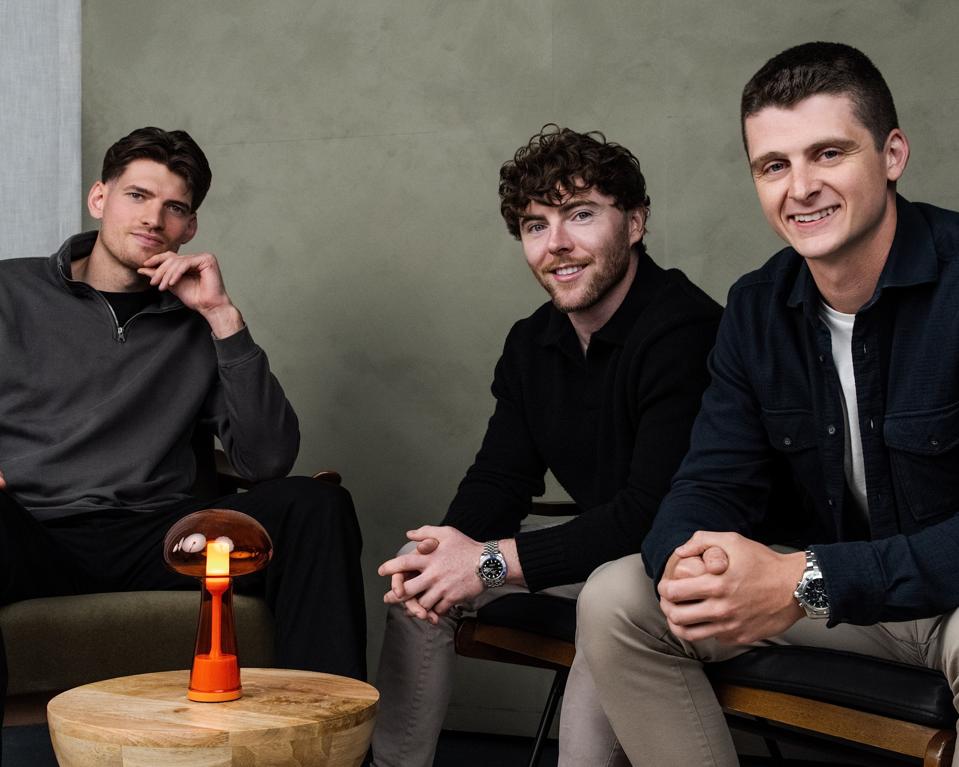
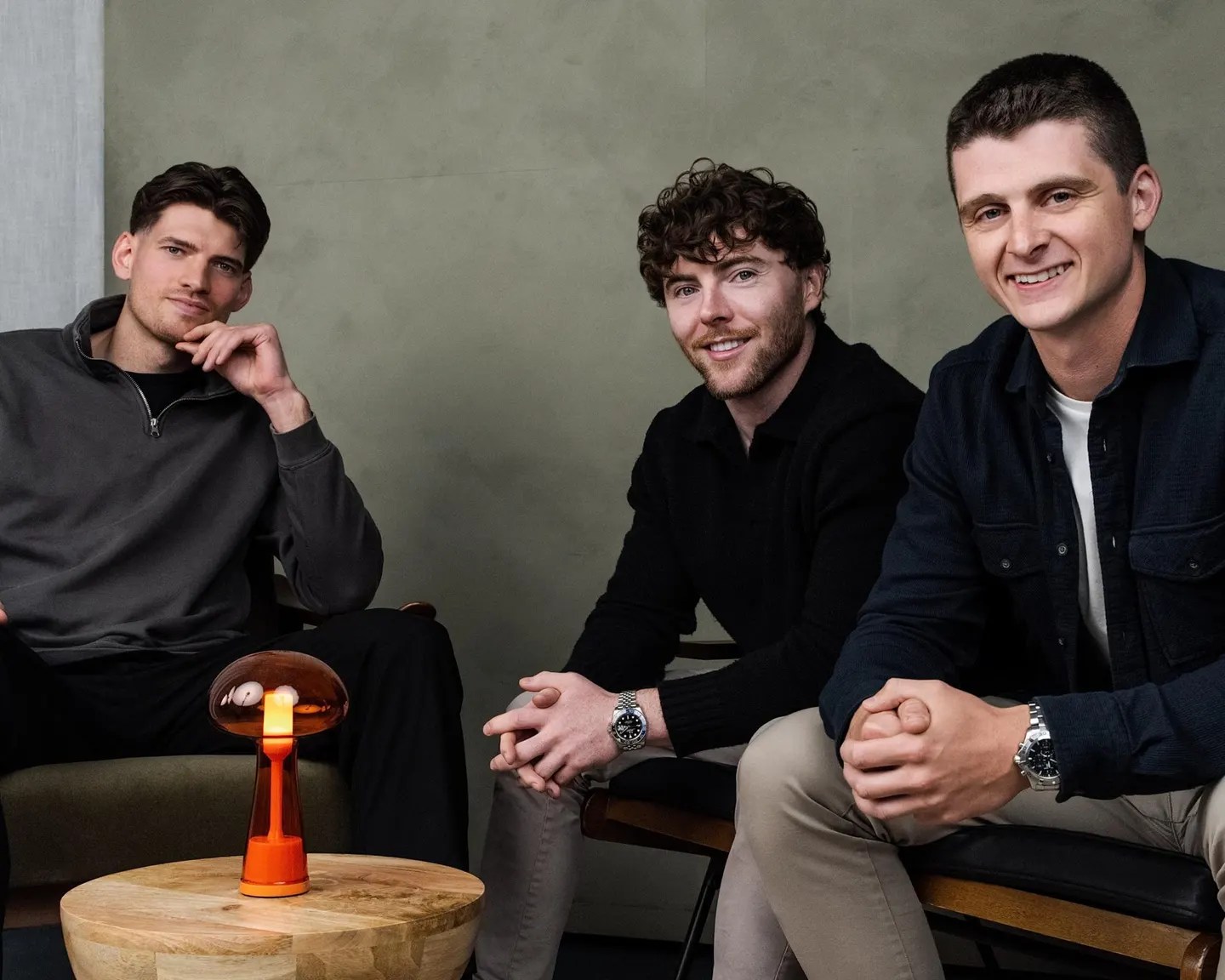
Joel Morris, Will Monange, Harry Fitzgerald (left to right).
Provided by Fanview
Joel Morris uploaded his first YouTube video when he was 13 years old. Up until two years ago, when he uploaded his last video, 2 million subscribers flocked to his channel of gaming streams and viral challenges. Since then, he has changed his role in the creator industry and helps other creators make money. In 2020, he and co-founders Will Monange and Harry Fitzgerald launched Fanvue, a subscription platform where creators charge for exclusive content in exchange for brand partnerships.
“There’s a big contradiction here: creators can make money with advertising, but it’s very negative for viewers,” Morris said. He and his co-founders created a hub where users can make money without selling products. “When someone pays to subscribe to a creator, they actually more faithful more I will do my best as a fan. ”
This week, the London-based startup announced a $22 million Series A led by Inner Circle. The site already has 17 million monthly users, and the funding will go towards international expansion and building out AI capabilities.
The idea of selling exclusive content is not new. Patreon, OnlyFans, and Substack have been allowing creators to do that for years. Fanvue is betting its AI services will give it a competitive edge.
The company’s AI capabilities currently include analytics tools that help creators better understand what consumers are watching, an AI coach that provides content and revenue tips, and options for AI-generated content.
While competing platforms provide a space for creators and fans to communicate with each other, Fanvue uses AI to ease some of the workload for creators. For example, AI agents can talk to their followers in DMs. Fanvue has also partnered with voice generation platform ElevenLab to allow creators to clone their own voices to send voice messages and make phone calls with fans.
“We’ve seen firsthand from some of the biggest creators that the main problem with the creator economy is that it takes time,” said James Cox, co-founder of investor Inner Circle. “We were interested in the question, “How can we scale technology within the traditional creator economy?”
In addition to allowing fans to interact more directly with their favorite human influencers, Fanvue has also begun exploring AI influencers. Monange believes there are more people who have the desire to create but are afraid of the spotlight. He says AI-powered avatars and content will encourage many people to come out of their shells. “More and more people are able to participate in the creator economy by nurturing creators without exposing themselves,” he says. “It was a fundamental change.”
Whether it’s a bona fide cultural icon like Swiss soccer player Alisha Lehmann, who uses Fanvue to share behind-the-scenes videos of her life behind a paywall, or an AI creator, Fanvue makes money by charging 20% for every monthly subscription you buy (plans average $12.50 a month). We take a similar view of one-time content.
Athletes are a key demographic, but education is also growing. Creators can charge a one-time fee to access video tutorials on how to use the generative AI platform, computer coding courses, music production lessons, and even health and nutrition information.
One of the biggest complaints about AI’s involvement in the creator economy is the fear of deepfakes and fabricated news. Fanvue has partnered with content moderation platform Hive to address this issue by detecting whether content is created with AI and providing greater transparency when it is.
“We’re not trying to replace any kind of interaction; we’re really trying to create a new experience,” Morris says. “You know Drake can’t FaceTime, you know you can’t actually talk to Messi. People just want to be as close as possible.”
Reflect on your week with a selection of articles from Australia and around the world. Sign up for the Forbes Australia newsletter here or Become a member here.