

introduction
As the trends in the global automotive market change, so do the requirements for technology. Consumers have started looking for technology that not only simplifies their tasks but also enhances their driving experience. Industry 4.0 has shaped the technology landscape and changed the perspective of technologies used so far.
Digital transformation is an essential part of modern society, and many automotive manufacturers are beginning to incorporate cutting-edge technologies into their products.
Artificial intelligence, machine learning, IoT and big data are key emerging technologies that will impact various industries. AI market in the automotive industry is one of the sectors affected by changing technology. Let us take a closer look at the details and other related factors that make this industry stand out in the global competitive landscape.
Artificial Intelligence: Emerging Technology
The quest to match human intelligence has led to the growth of cutting-edge technology. Artificial intelligence is a key development for humanity, driving Industry 4.0 and contributing to the Fifth Industrial Revolution.
Artificial intelligence is making smart devices smarter and more efficient, and the popularity of this technology is expected to grow. The growing trend towards digital transformation is driving the demand for artificial intelligence.
Organizations moving towards digital systems want strong support from their systems. AI is being integrated into these systems to make them more operationally fast, efficient, and agile.
As its usefulness and scope became clear, the use of AI accelerated. Accuracy and speed are the two special properties of the technology that significantly reduce human effort.
Many important applications define the future of artificial intelligence, including predictive analytics, robotics, generative AI, etc. The integration of the technology into various sectors and devices, including automobiles, speaks to the popularity of AI.
Do electric cars need AI?
The global automotive market is expected to grow over the next decade. This will lead to a surge in the demand for various components, accessories, and parts required for automobiles.
Rising profitability in the market is expected to boost the manufacturing, assembly, and distribution of automobiles, which is likely to increase the need for various protective accessories.
As AI becomes an integral part of vehicles to provide better assistance, it is likely to stimulate the demand for AI components in the industry, which is expected to result in a surge in the demand for artificial intelligence in the automotive sector.
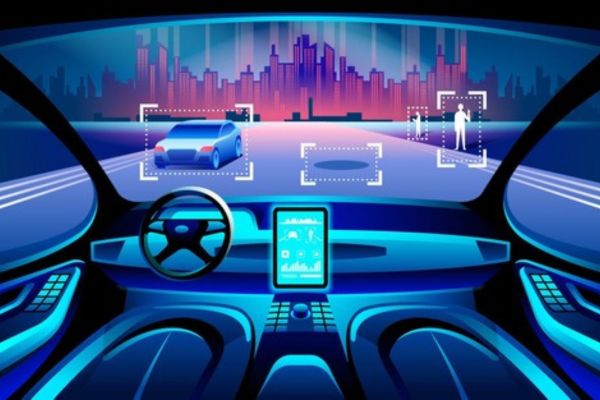
The electric vehicle sector is likely to grow over the next decade. Electric vehicles will require extensive artificial intelligence to better understand the vehicle's surroundings.
Artificial intelligence helps in many important tasks like analyzing battery health, weather analysis, stabilizing the vehicle, etc. By performing such tasks, it helps in improving product standards.
Changing automotive norms to facilitate the use of AI
With the growth of the automotive industry, there has been an increased focus on maintaining the safety of its users. The increase in road accidents has forced governments to enact various safety laws to curb the rising accident rate.
Artificial intelligence will play a key role in predicting vehicle condition, maintenance and servicing needs, and ensuring driving safety for drivers and passengers.
Such qualities encourage leading companies to incorporate this cutting edge technology while manufacturing vehicles, thereby improving the safety standards of automobiles. This in turn drives the demand for artificial intelligence in the automotive industry.
Due to changing regulatory policies and strict regulatory compliance, manufacturers prefer to leverage artificial intelligence in serving consumers. In vehicle tuning, AI has played a vital role in helping manufacturers meet standard norms.
Equipping vehicles with AI will enable greater driving control with the help of the above mentioned factors, which are driving the demand for AI in the automotive industry and creating various opportunities.
Large-scale research investment will change the future of AI
Leading companies are investing more and more to reduce the error rate in technology and provide a better experience to consumers. They aim to achieve this goal through extensive research to overcome the problems they have encountered so far.
Research activities are likely to stimulate expansion prospects and open up new horizons in the market. The surge in research and development in the industry is likely to increase the scope of innovation, benefiting key players.
When it comes to research, government initiatives have also proven beneficial to key players in the automotive industry. Subsidies, taxation, and many other initiatives have allowed key players to have better access to technology and innovate further. Such initiatives are likely to enhance the research process and boost the use of AI in the automotive industry and other key sectors.
Technological Disruption
The modern business world is undergoing rapid change, with organizations leveraging existing technologies and developing new ones that offer greater capabilities than previous versions.
These efforts are disrupting technology. As a result, the disrupted technologies and associated infrastructure are constantly changing. This could open up many possibilities in terms of incorporating advanced AI capabilities in cars.
New capabilities will improve the efficiency of AI and improve the standards of navigation and tracking. It will also improve the accuracy of real-time tracking, which is a key benefit of this disruptive change. This vision can be realized through growing investment prospects and initiatives by major companies and governments.
However, as digital infrastructure is changing rapidly, the chances of technology becoming obsolete are increasing, and existing technologies may become outdated and no longer advantageous for smaller players.
Conclusion
With the increasing emphasis on technological improvements, leading players in the market have started focusing on integrating AI into their automotive products to improve the quality of their products.
The growing demand for automobiles has driven manufacturers to further develop the technology, which is a key driver for the ecosystem. AI is having a major impact on improving automotive specifications and standards, driving the demand for fully autonomous vehicles.
Increased investment and research activities are expected to increase the scope of innovation and generate better prospects for the key manufacturers in the industry, resulting in a better future for the market.


