The world’s first law specifically to regulate AI could become a blueprint for other laws to follow. Here’s what you can expect from the EU’s AI law
The word “risk” is often found in the same sentence as “artificial intelligence” these days. It’s encouraging to see world leaders weighing the potential problems of AI and its industrial and strategic benefits, but we must remember that not all risks are equal. .
On June 14, the European Parliament voted to approve its own draft on AI law. The bill is a two-year enactment with the goal of forming a global standard in AI regulation.
After going through the final stages of negotiations, the law needs to be approved by the end of the year to coordinate various drafts made by the European Parliament, the European Commission and the Council. This would be the first law in the world dedicated to regulating AI in nearly every sector of society, but exempt from defense.

Of all the ways AI regulation can be approached, it’s worth noting that the law is built entirely around the concept of risk. It’s not AI itself that’s being regulated, but how it’s used in specific areas of society, each with different potential problems. His four categories of risk, subject to various legal obligations, are unacceptable, high, limited and minimal.
Systems deemed to pose a threat to fundamental rights and EU values are classified as ‘unacceptable risk’ and banned. An example of such risks is AI systems used for “predictive police”. It uses AI to perform a personal risk assessment based on personal information and predict whether a person is likely to commit a crime.
Even more controversial is the use of facial recognition technology in live footage from street cameras. This is also added to the list of unacceptable risks and is only permitted with judicial clearance after the crime has been committed.
Systems classified as “high risk” are subject to disclosure obligations and are expected to be registered in a special database. Various monitoring or auditing requirements also apply.
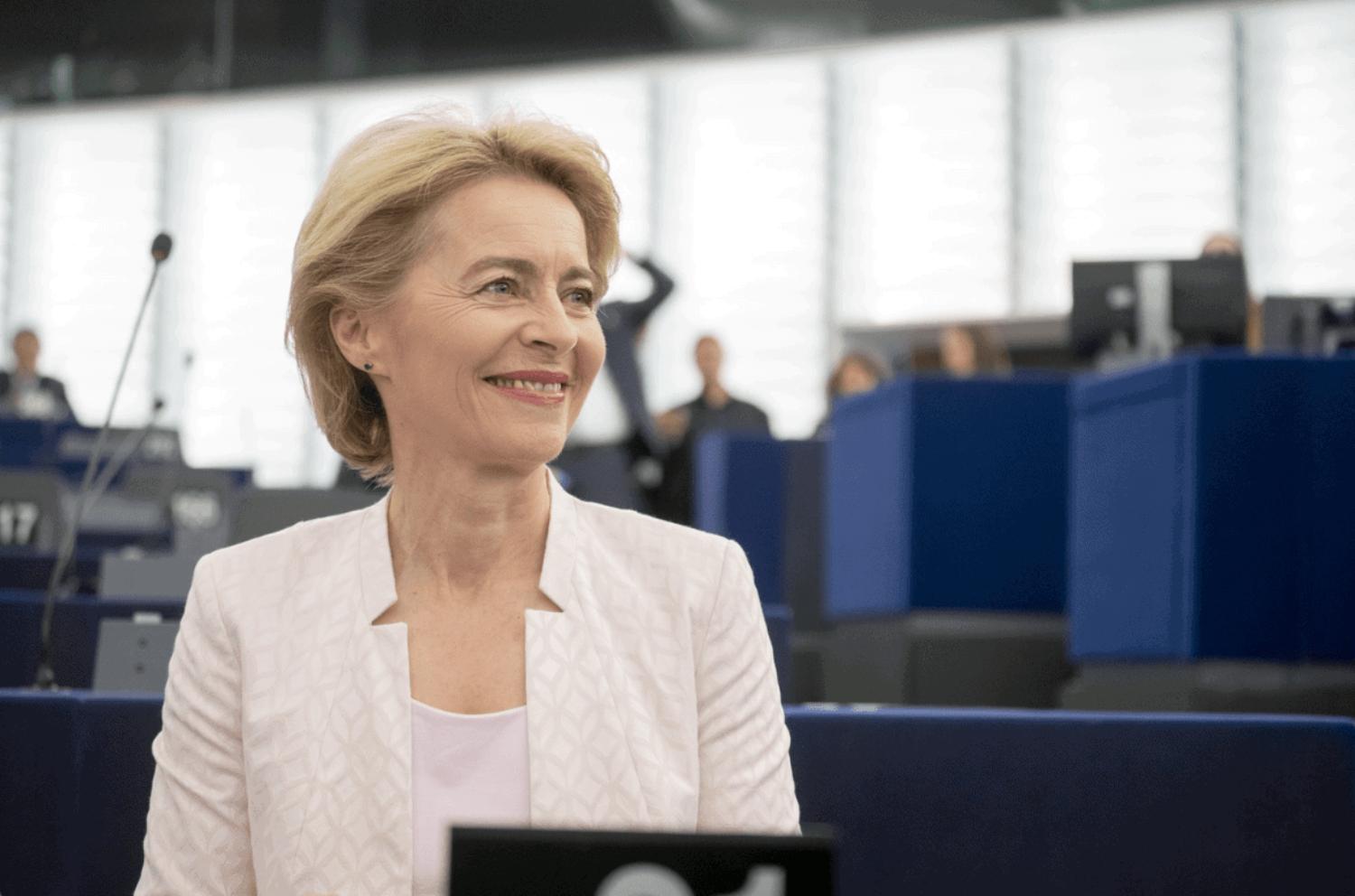
Ursula von der Leyen is one of the AI lawmakers.Image: European Parliament
Application types classified as high risk include AI that can control access to services in education, employment, finance, healthcare, and other critical areas. The use of AI in such areas is not considered undesirable, but oversight is essential as it can adversely affect safety and fundamental rights.
The idea is that any software that makes mortgage decisions will be carefully checked for compliance with European law and, at least for as long as we live, will be based on protected characteristics such as gender and ethnic background. You should be able to rely on it as a guarantee that you will not be discriminated against. in the EU.
“Limited risk” AI systems are subject to minimal transparency requirements. Similarly, operators of generative AI systems (such as bots that generate text or images) should disclose that the user is interacting with the machine.
In a long undertaking for European institutions that began in 2019, the legislation is becoming increasingly specific about the potential risks of deploying AI in sensitive situations and how they can be monitored and mitigated. and became clearer. There is still a lot of work to be done, but the idea is clear. It means that if you want to get things done, you have to be specific.

With the advent of ChatGPT, AI has gone mainstream.Image: Rolf Van Root
In contrast, we recently saw a petition calling for mitigation of the putative “extinction risk” posed by AI, but without further details. Various politicians also echo this view. This common and very long-term risk is quite different from what shapes AI law. This is because the AI law does not give any details about what we should be aware of and what we should do now to protect ourselves from it.
If ‘risk’ is the ‘expected harm’ that something can result from, then it is better to focus on harmful and likely scenarios. Because these scenarios carry the highest risk. Highly unlikely events, such as asteroid impacts, should not be prioritized over more likely events, such as pollution effects.
In this sense, the bill just approved by the EU parliament is less flashy than some of the recent warnings about AI, but more substantive. It tries to walk a fine line between protecting rights and values and specifically addressing both dangers and remedies without stifling innovation. It’s far from perfect, but at least it provides concrete actions.
The next step towards the development of this bill will be the trilogue, or tripartite dialogue, in which the separate drafts of Congress, Commissions and Councils will be merged into the final document. Compromises are expected at this stage. The resulting law is expected to come into force in a vote at the end of 2023, presumably before the campaign for the next European elections begins.
The law seeks to walk the line between rights and value protection without stifling innovation.
After a few years, the law will come into force and companies doing business in the EU will have to comply. This long timeline itself raises some questions, as we don’t know what AI, or the world, will look like in 2027.
Remember that European Commission President Ursula von der Leyen first proposed this regulation in the summer of 2019, just before the pandemic, war and energy crisis. This was before ChatGPT made politicians and the media regularly talk about her AI survival risks. However, the law is written in a sufficiently general way that it may remain relevant for some time. It will likely influence how researchers and companies across Europe and beyond approach AI.
What is clear, however, is that with every technology there are risks, and academic institutions and policy makers are willing to think ahead about research outcomes rather than wait for something negative to happen. Compared to how previous technologies such as fossil fuels have been employed, this represents some progress.
Nello Cristianini is Professor of Artificial Intelligence at the University of Bath. He is the author of his 2023 publication The Shortcut: Why Intelligent Machines Do Not Think Like Us by CRC Press.
This article is republished from The Conversation under a Creative Commons license. Please read the original article.
Main Image: Moor Studio/iStock
Help us break the bad news stigma
Positive News is helping more people than ever to have a balanced and uplifting worldview. Where doom and gloom dominate other news outlets, our solutions journalism exists to support your health and empower you to make a difference for a better future. And as Positive News’ audience and influence grow, we’re showing other media outlets that good news matters too.
But our reporting comes at a cost, and as an independent, not-for-profit media organization, we rely on the financial support of our readers. If you appreciate our work and can afford to do so, as a Positive News supporter he should consider making a one-time or recurring donation. From just £1 a month, you can directly fund the creation and sharing of stories to benefit more people.
Join our community today and let’s change the news for good together.
support positive news