Jill Kowalczyk's Insights on Integrating AI in K-12 Education
Provided by DOCEO AI | Hosted by AI Think Tank Podcast May 27, 2024
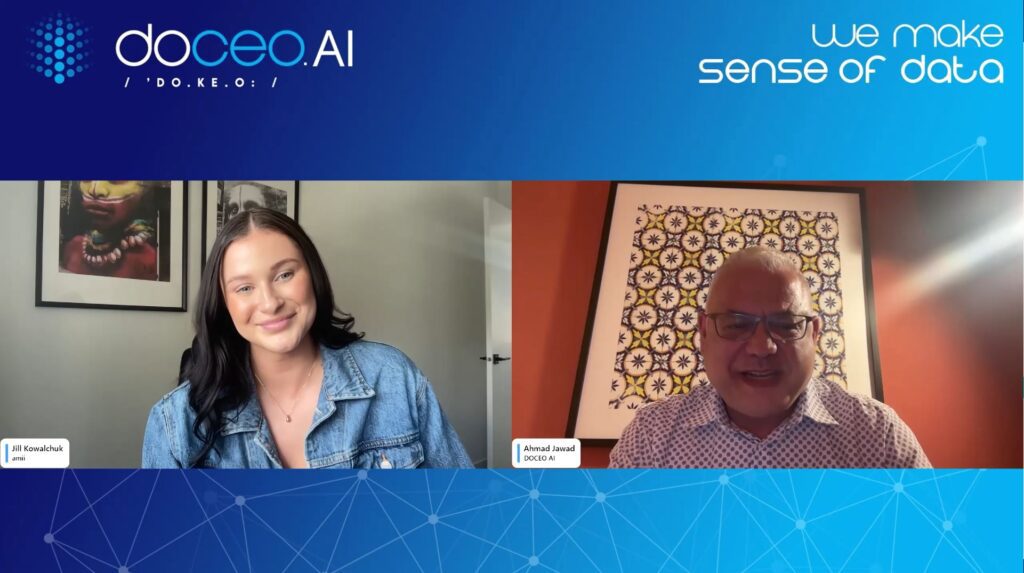
The AI Think Tank Podcast has received permission to share this video to help teachers around the world better understand the use of AI in education. Thank you to Jill Kowalczyk. Amy Ahmad Jawad DOCEO AI. Please contact us for the complete record
introduction
The rapidly evolving artificial intelligence (AI) landscape presents both opportunities and challenges for educators. Jill Kowalchuk, K-12 education advisor at the Alberta Machine Intelligence Institute (AMII), recently delivered an enlightening webinar discussing the impact of AI on education. Her presentation highlighted the importance of AI literacy, ethical considerations, and teacher empowerment through professional development. This article summarizes her key points and offers insights on integrating AI into K-12 education.
Jill Kowalczuk's background and role in AMII
Jill Kowalczuk began her career as a middle school social studies teacher. With a Master's in Education specializing in Digital Literacy and currently pursuing a PhD in AI Ethics, Jill has dedicated her career to understanding and advancing AI in education. At AMII, she leads the K-12 AI program, aiming to increase teachers' AI literacy to better support their students.
AMII and AI in K-12 Programs
The Alberta Machine Intelligence Institute (AMII) is partnering with Mila in Montreal and Vector in Toronto to advance AI research and education as part of a pan-Canadian AI strategy. AMII's motto, “Inspiring world-changing machine intelligence for all,” emphasizes a commitment to ethical AI. Jill's K-12 AI program focuses on equipping teachers with AI literacy so they can effectively incorporate AI into the classroom.
Pilot Phase and Resource Development
Jill and her team at AMII started by conducting a pilot phase with high school teachers in the Edmonton area. They worked with teachers from three different school authorities to identify questions and strategies related to AI and technology. This collaborative approach ensured that the program was tailored to the needs and realities of teachers.
During the pilot phase, digital learning kits were created with the help of master's and doctoral students from the University of Alberta's Department of Computer Science. These kits included lesson plans, assessment materials and videos, all accessible online and for free. Teachers piloted these resources in the 2023-2024 school year, providing feedback to refine and improve them.
Extension and expansion to primary education
After a successful pilot program in high schools, AMII expanded its efforts to elementary education. The program now includes professional development workshops and resources for elementary teachers, with the goal of reaching a wider range of educators and students.
Professional Development and AI Literacy Workshops
Jill's professional development workshops, “AI Explorations for Educators,” are targeted at teachers at various levels of AI literacy. These workshops aim to:
- It provides a basic understanding of AI and its applications in education.
- It raises important ethical questions about AI in education.
- Analyze ethical issues through case studies.
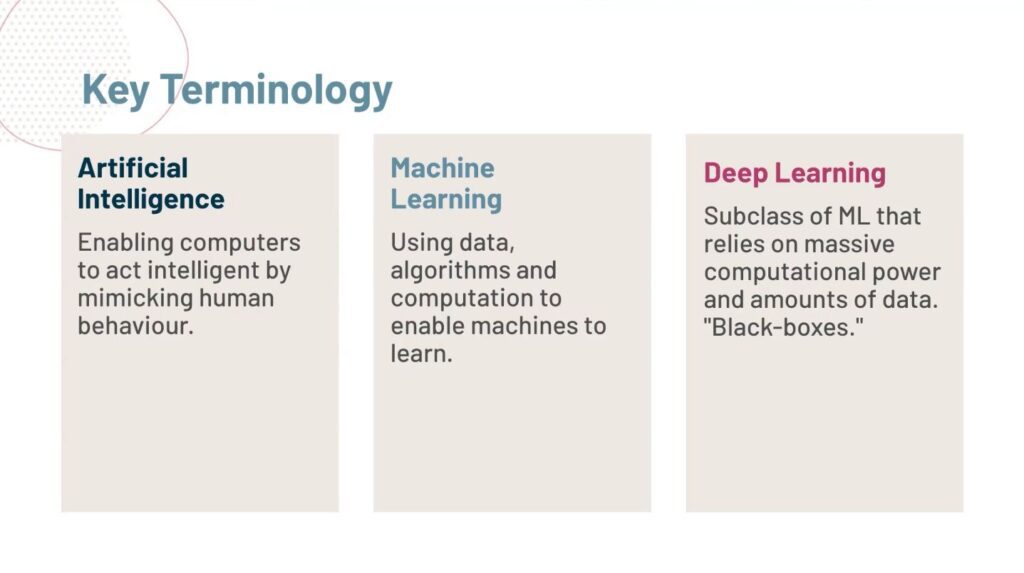
Key Concepts of AI
Jill's workshop emphasizes the importance of understanding key AI concepts such as artificial intelligence, machine learning, and deep learning. Jill explains that AI is an umbrella term for technologies that enable computers to mimic human behavior. Machine learning, a subset of AI, allows machines to learn from data, while deep learning uses complex algorithms that can learn on their own from massive datasets.
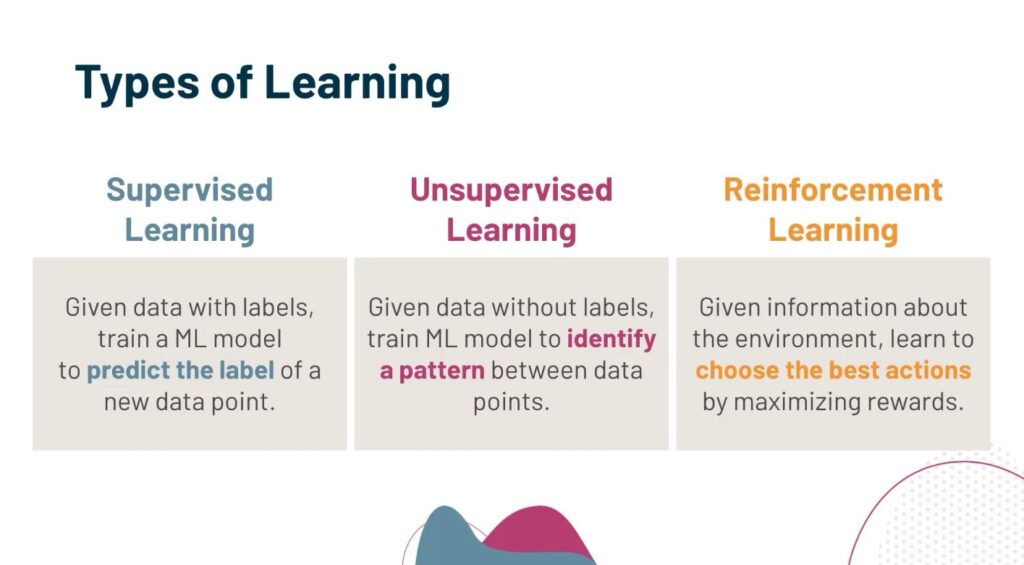
Ethical Considerations and AI Governance
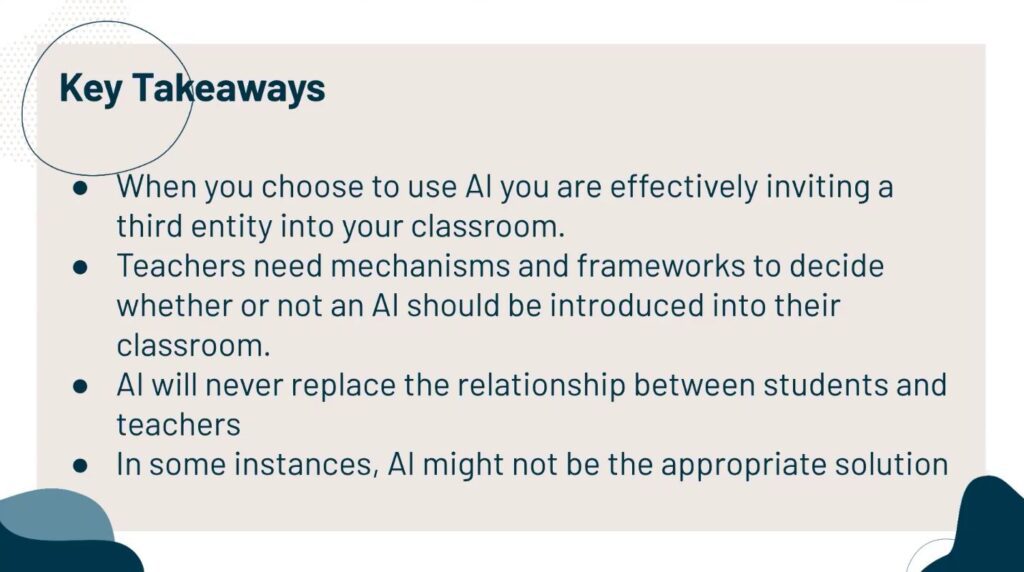
A large part of Jill's presentation focused on ethical considerations of AI in education. She emphasized the importance of AI governance, which includes creating policies and frameworks to guide the ethical use of AI. Ensuring that AI systems are fair, meaning they do not discriminate against certain groups, is another important aspect.
AI literacy and digital literacy
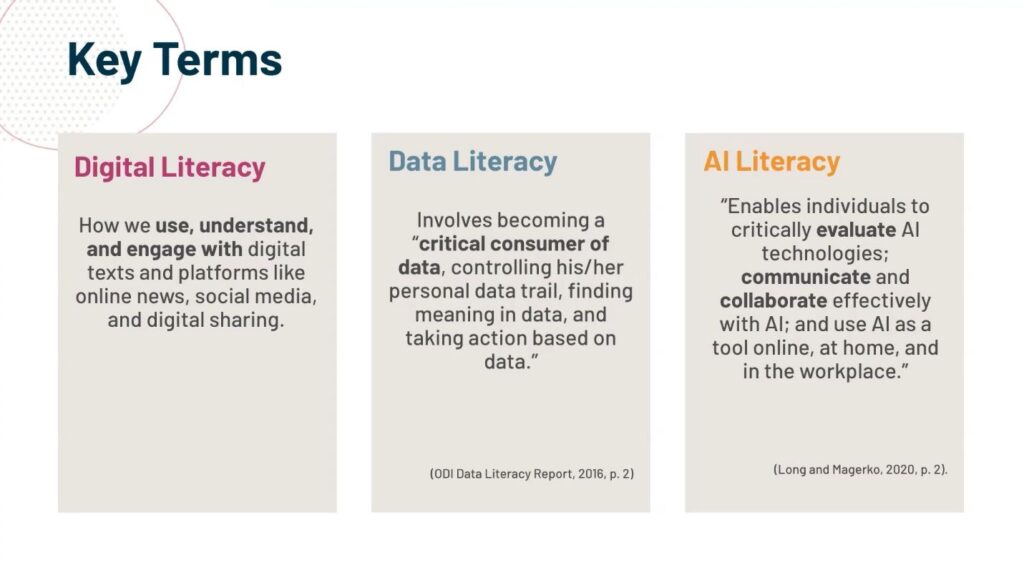
According to Gilles, AI literacy stems from digital literacy. AI literacy includes the ability to critically evaluate AI technology, communicate effectively with AI systems, and use AI tools at home, school, and the workplace. Gilles advocates viewing AI not just as a tool, but as a collaborative partner that can enhance teaching and learning.
Challenges and Solutions
Jill recognized the challenge of introducing AI to teachers with different levels of interest and understanding. She emphasized the importance of building relationships and providing ongoing support to help teachers navigate the complexities of AI. By focusing on holistic concepts and ethical issues, rather than just specific tools, Jill aims to foster a deeper understanding and more meaningful integration of AI in education.
Next steps and future directions
AMII continues to expand its AI programs in K-12 with plans to develop more resources for elementary educators and explore new collaborations. Jill and her team are committed to providing accessible AI literacy opportunities, including courses on AI ethics and governance, to support educators and other professionals.
Conclusion
Jill Kowalchuk's work at AMII highlights the importance of AI literacy in education. By equipping teachers with the knowledge and tools to effectively integrate AI, she is helping to shape a future where AI enhances, rather than impedes, the learning experience. As AI continues to evolve, continued education and ethical considerations will be important to ensure it benefits all students and educators.
AI in K-12 Education LinkedIn Group
Jill Kowalczuk's LinkedIn page
Ahmad Jawad's LinkedIn page