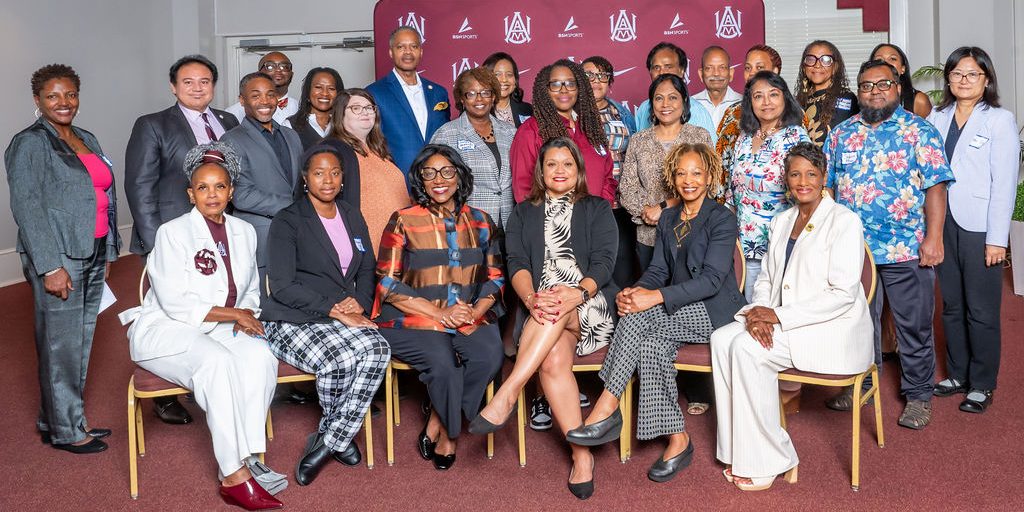
HUNTSVILLE – Takes an important step toward fostering a technology industry that is more representative of the communities it serves. Drake State Community & Technical College participates in the Amazon Web Services – Machine Learning University Educators Consortium and Transformation Alliance.
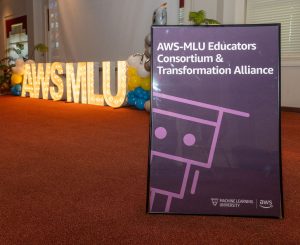
The university is one of 14 historically Black institutions working together to expand access to AI and machine learning education across the state.
“Drake State University is committed to ensuring that our students are not only ready for today’s workforce, but also prepared to lead in tomorrow’s innovation economy.“Through our partnership with AWS and the Machine Learning Collegiate Educators Consortium and Transformation Alliance, we are opening the door to cutting-edge AI and machine learning education that empowers students to create solutions to real-world challenges and drive inclusive progress across Alabama and beyond,” said Lydia Owens, director of Business, Computer Science and Engineering Technology at Drake State University.
The Alliance for AI and Machine Learning is a groundbreaking initiative co-led by Dr. Calvin Briggs of the Southern STEM Center and Dr. Majed Dweik of Alabama A&M University. This new partnership will serve as a catalyst to integrate AI across educational institutions and strengthen the state’s talent pipeline.

“AI and machine learning education and research in collaboration with industry is essential to preparing the workforce of the future and ensuring that innovation benefits everyone,” said Margie Vella, AWS Machine Learning University Senior Program Manager. “We are proud to support our education partners across the South who are leading the way in driving inclusive innovation that connects learning, research and real-world impact.”
This initiative positions Alabama as a new hub for machine learning education and innovation.
Expanding AI and machine learning opportunities for HBCU students will equip them with skills that will shape how this innovative technology is developed and deployed locally and globally.
Whether it’s creating algorithms that more equitably serve communities or designing AI solutions that address local challenges, students are becoming the architects of a more equitable technology future.