In a landmark move for the entertainment and technology industries, Disney has agreed to invest $1 billion in OpenAI and license hundreds of iconic characters for use in Sora, the company's advanced text-to-video generation platform. The partnership, jointly announced Thursday, signals a transformative moment for how audiences will engage with stories, characters and creative tools in the coming years.
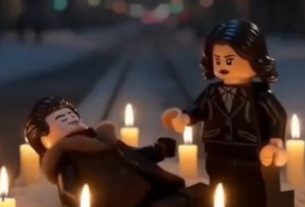
The deal makes Disney the first major Hollywood studio to officially license its creative world to AI developers. Through Sora, fans will soon be able to create short videos featuring popular characters from Disney, Pixar, Marvel, and Star Wars. This new interactive format is poised to redefine fan engagement, giving users unprecedented creative freedom without compromising rights or ethics.
Under a three-year licensing agreement, select user-created Sora videos may also be featured on Disney+, opening up a unique opportunity for fans to have their work featured alongside official studio productions. Disney also plans to integrate OpenAI's technology internally by adopting ChatGPT across its workforce and building new AI-powered tools to support storytelling, production, and operations. This shows that the entertainment giant is working on modernizing its technological backbone.
OpenAI CEO Sam Altman described the partnership as a model for responsible collaboration between the creative and technology sectors. “This agreement demonstrates how AI companies and creative leaders can work together responsibly to foster innovation that benefits society, honor the importance of creativity, and help work reach vast new audiences.”
Disney CEO Robert Iger echoed this vision, characterizing the move as a pivotal step in marrying creativity and ethical AI adoption. “We will expand the reach of storytelling through generative AI while respecting and protecting creators and their work,” Iger said.
But the partnership comes at a tense moment in the broader debate over AI copyright. On the same day Disney adopted OpenAI, the company escalated its conflict with Google over claims that the tech company illegally trained AI models using Disney-owned characters. In a Dec. 10 cease-and-desist letter, Disney accused Google of “massive infringement of Disney's copyrights,” citing examples in which Google's tools created characters from “The Lion King,” “Star Wars,” “Deadpool” and “The Simpsons.”
Disney further claims that Google has allowed such AI-generated content to be widely disseminated on platforms such as YouTube. The company says months of talks with Google have failed to produce any meaningful action. Iger said in an interview with a prominent publication that Disney had little choice but to respond decisively. “Ultimately, since we weren't making any progress, we felt we had no choice but to give them a cease-fire order,” he said.
Disney has previously issued similar warnings against Meta and Character.AI, and this legal action is part of a broader pattern. The company also joined other major studios in lawsuits against AI companies accused of misusing copyrighted material.
For viewers, the collaboration between Disney and OpenAI promises a thrilling new layer of creative endeavors while highlighting important issues around intellectual property in an AI-driven world. As Disney moves forward, one message is clear. Even in the age of generative media, innovation must coexist with the protection of artistic rights.