
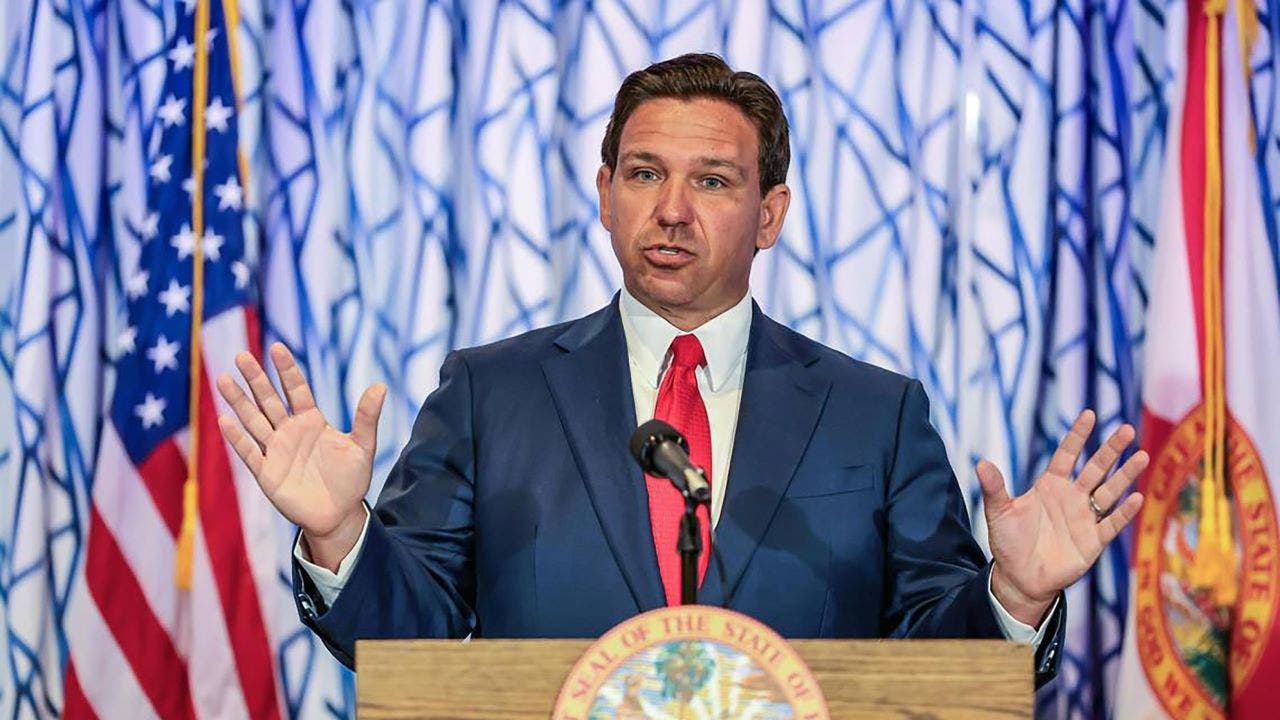
White House “AI and Cryptocurrency Czar” David Sachs discusses President Donald Trump's Executive Order on National Artificial Intelligence Standards on “Morning with Maria.”
Florida Gov. Ron DeSantis (R) on Monday said state officials have the right to regulate artificial intelligence despite President Trump's recent executive order mandating national AI standards, arguing that the president is overriding state laws.
Speaking at Florida Atlantic University, DeSantis said President Trump's order does not prevent states from enacting their own AI regulations.
“The president issued an executive order, and some people were saying, no, this is going to lock down the state,” the governor said. “it's not.”
“You should read it and understand it. First of all, you can't stop states by executive order,” he continued. “You can pre-empt states under Article I authority on a particular issue through Congressional legislation, but not by executive order.”
President Trump says he will sign 'one rule' executive order to federalize AI regulation
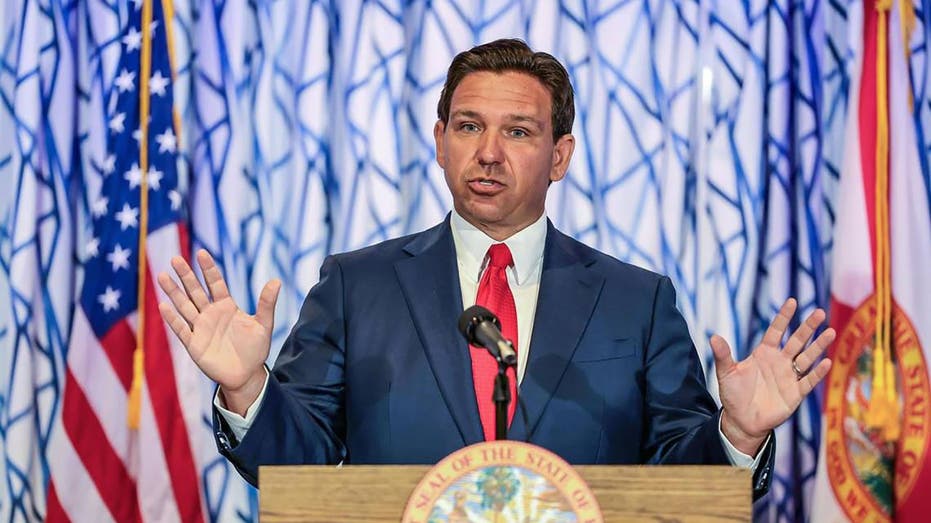
Florida Governor Ron DeSantis said state officials have the right to regulate artificial intelligence despite President Trump's recent executive order. (Pedro Portal/Miami Herald/Tribune News Service via Getty Images)
The governor said Trump's order would not block state regulations, but said Florida's proposed rules are similar to what the White House is seeking at the federal level.
“If you read this, they're actually saying that a lot of what we're talking about is what we're encouraging states to do,” DeSantis said. “So even if you read this document very broadly, I think what we're doing will be very consistent. But regardless of that, clearly we have the right to do this.”
Last week, DeSantis announced a proposal for a Citizen's Bill of Rights against Artificial Intelligence, aimed at protecting consumers from the potential risks and harms posed by AI.
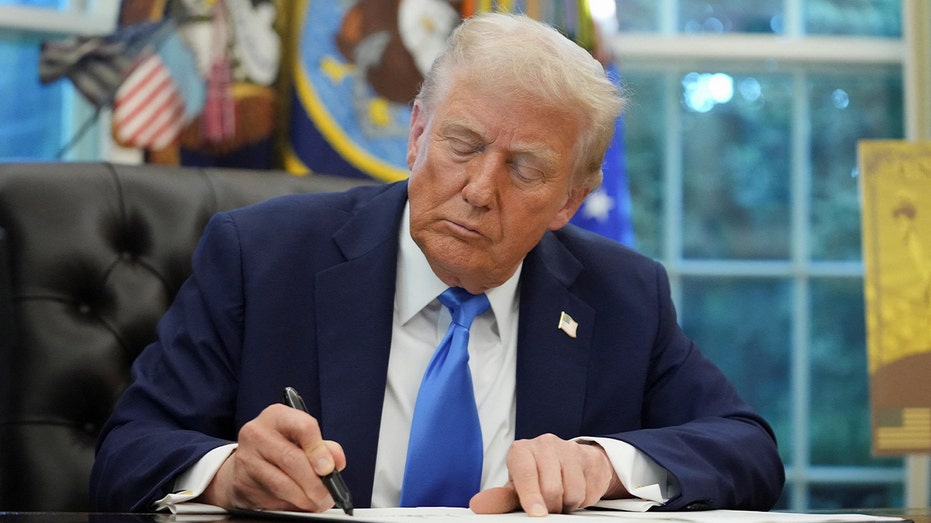
President Donald Trump signed an executive order creating a national AI standard. (Ken Cedeno/Reuters)
The proposal includes several guardrails, including blocking AI from using a person's name, image, or likeness without permission, protection from deepfakes, and a number of restrictions aimed at protecting children.
DeSantis also cited concerns from supporters of President Trump's executive order about AI regulations that Democratic-led states might introduce, as well as suggestions that the Justice Department could file a legal challenge to block state laws based on the Dormant Commerce Act, which prohibits states from passing laws that discriminate in interstate commerce.
“I don't know how successful it will be, and the reality is, I don't expect something like that to even happen for what we're doing in Florida, but if it does, I think we're in a good position to win it,” DeSantis said.
Google CEO calls for national AI regulation to compete more effectively with China
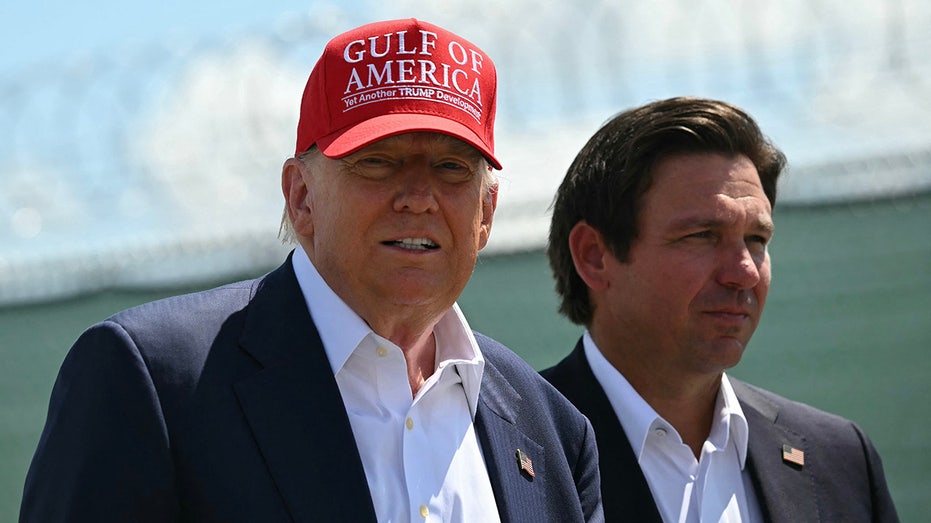
Gov. Ron DeSantis said President Donald Trump's order does not prevent states from implementing their own AI regulations. (Andrew Caballero Reynolds/AFP via Getty Images)
CLICK HERE TO GET FOX BUSINESS ON THE GO
Republican lawmakers on Capitol Hill have tried to pass proposals to block state AI regulation twice in the past six months, through President Trump's spending bill in the summer and the National Defense Authorization Act last month. But both efforts failed as lawmakers were unable to reach an agreement.
President Trump has argued that it would be burdensome for AI companies to seek approval from all 50 states, and AI companies have made similar claims.
“If we are to continue to lead in AI, there must be only one rulebook,” the president wrote on social media before signing the executive order last week. “We're beating all the countries at this point, but that won't last long if 50 states (many of them bad actors) are involved in the rules and approval process.”


