
Deputy Defense Secretary Anton Youngman told MPs on the Foreign Affairs, Defense and Trade Select Committee that the “key takeaway” of the department’s study was that “the Defense Force’s ability to rapidly collect and analyze data will increasingly become a key determinant of military advantage.”
He said this can be broken down into “the ability to sense and collect data and the systems and algorithms needed to turn that data into insights for decision makers.”
The LTIP document refers to “AI and ML innovations.” [machine learning]Autonomous systems and robotics are actively shaping the human-machine relationship in unprecedented ways, and the role of humans will increasingly shift from directly controlling defense systems to guiding them. ”
AI will eventually allow “unmanned systems to move between platforms, make decisions, and make adjustments without human input,” he said.
Costley agreed with Youngman, saying, “We need data that gives commanders critical insight and decision-making capabilities.”
However, Mr Costley insisted on increasing the number of defense forces.
“We need human resources on-site, there are things that technology can never do, and we need to actually put on the shoes on-site.
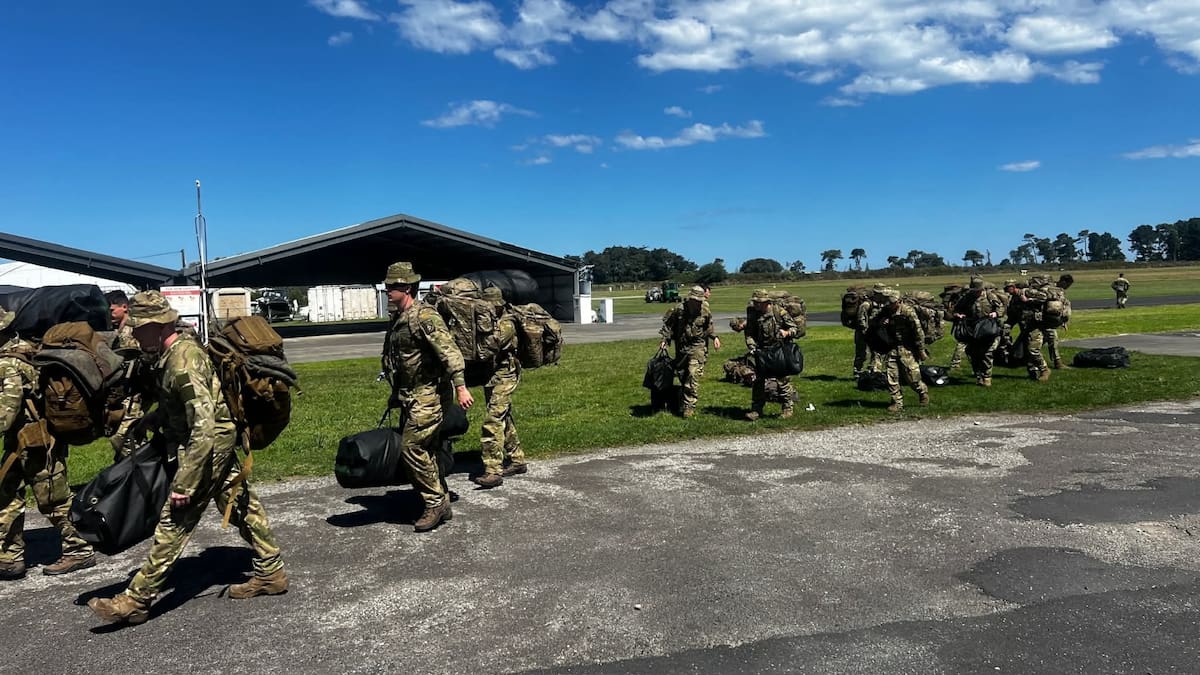
“This looks great in the office, but if you go to the 1st Battalion and ask them what they need, they’ll say, ‘Gimme a few hundred more guys.’ [a] Please give me lots of bullets. ”
Youngman said the military needs investment in technology and traditional front lines.
He noted that the Ukraine war demonstrated a “rapid learning loop” on the front lines, with soldiers quickly coming to grips with new technology.


