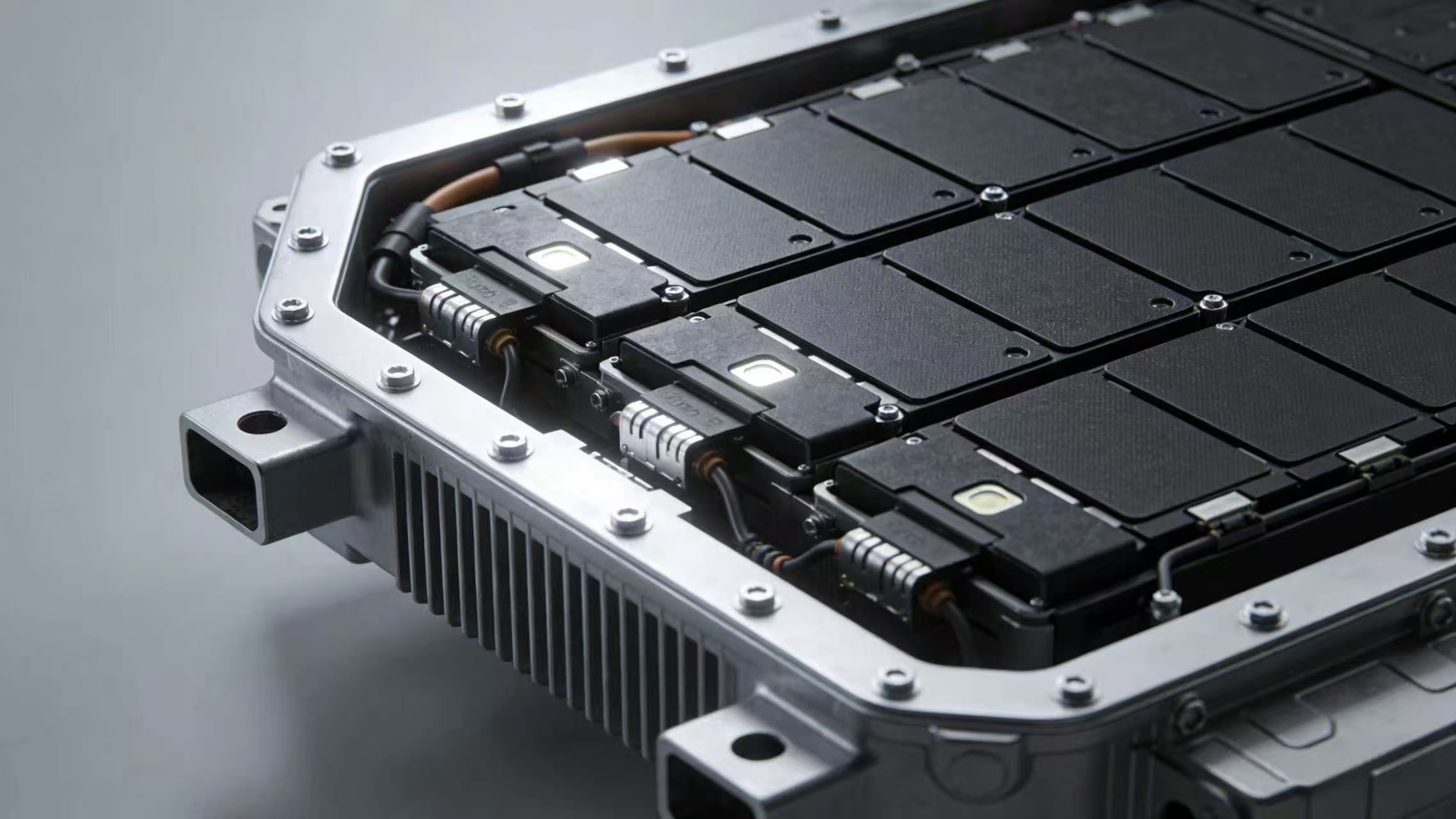
Researchers at the University of Michigan have developed a machine learning system that can predict battery life after just about 50 charge/discharge cycles, potentially reducing testing time and energy consumption by up to 95%, according to research published in . natureIT-home reported.
Traditional battery validation typically requires hundreds or thousands of cycles to estimate durability, often over months or years. The new approach combines early-stage experimental data with physically-based modeling to predict long-term degradation, significantly accelerating battery development workflows.
The system was developed by a research team led by Assistant Professor Ziyou Song and Postdoctoral Researcher Jiawei Zhang. It consists of multiple AI components that select battery designs, analyze experimental data, and predict long-term performance. The researchers describe the framework as an “agent-like” AI architecture that iteratively improves predictions by integrating experimental results with physical models.
This project was supported by Farasis Energy, which provided real-world data and pouch battery samples to validate the model. Farasis Energy is a lithium-ion battery manufacturer with major manufacturing operations in China and a global footprint spanning the United States, Europe and Turkey. The head office and main production bases are located in Ganzhou and other Chinese cities, and large-scale production capacity is under development.
Farasis is deeply integrated into China’s electric vehicle supply chain, supplying batteries to automakers such as Geely, GAC, FAW, Dongfeng and Great Wall Motors. The company also partners with global brands such as Mercedes-Benz and ranks among the world’s leading pouch cell suppliers.
The researchers say the AI system can be generalized to a variety of battery formats, from cylindrical cells used in consumer electronics to large pouch cells used in electric vehicles. Even when trained on data from cylindrical batteries, the model successfully predicted the lifespan of pouch batteries offered by Farasis.
Beyond lifetime prediction, researchers are seeking to extend the framework to estimate safety limits, optimize charging strategies, and identify promising materials for next-generation lithium-ion batteries. Farasis itself develops advanced battery technologies, including semi-solid and solid-state batteries, and is recognized as one of China’s major projects in this field.
The development highlights how artificial intelligence is increasingly intersecting with the global battery industry, with Chinese manufacturers playing a central role in production scale, technology development and electric vehicle supply chains.