

The researchers are from Taizhou Hospital Affiliated to Wenzhou Medical University, Wuhan University People's Hospital, Hangzhou Cancer Hospital Affiliated to Zhejiang University School of Medicine, and Wenling First People's Hospital in Taizhou City.
03:44
Hong Kong consumer watchdog group tests for potential carcinogens in almost 90% of instant noodles
Hong Kong consumer watchdog group tests for potential carcinogens in almost 90% of instant noodles
Esophageal cancer is the seventh most common cancer and the sixth leading cause of cancer-related death worldwide. Asia, particularly East and Central Asia, has a higher incidence of the disease than other regions of the world.
Early detection is key, as esophageal cancer has a 5-year survival rate of over 90% if treated endoscopically or surgically before symptoms appear. However, most patients progress to an advanced stage of the disease once symptoms begin to appear.
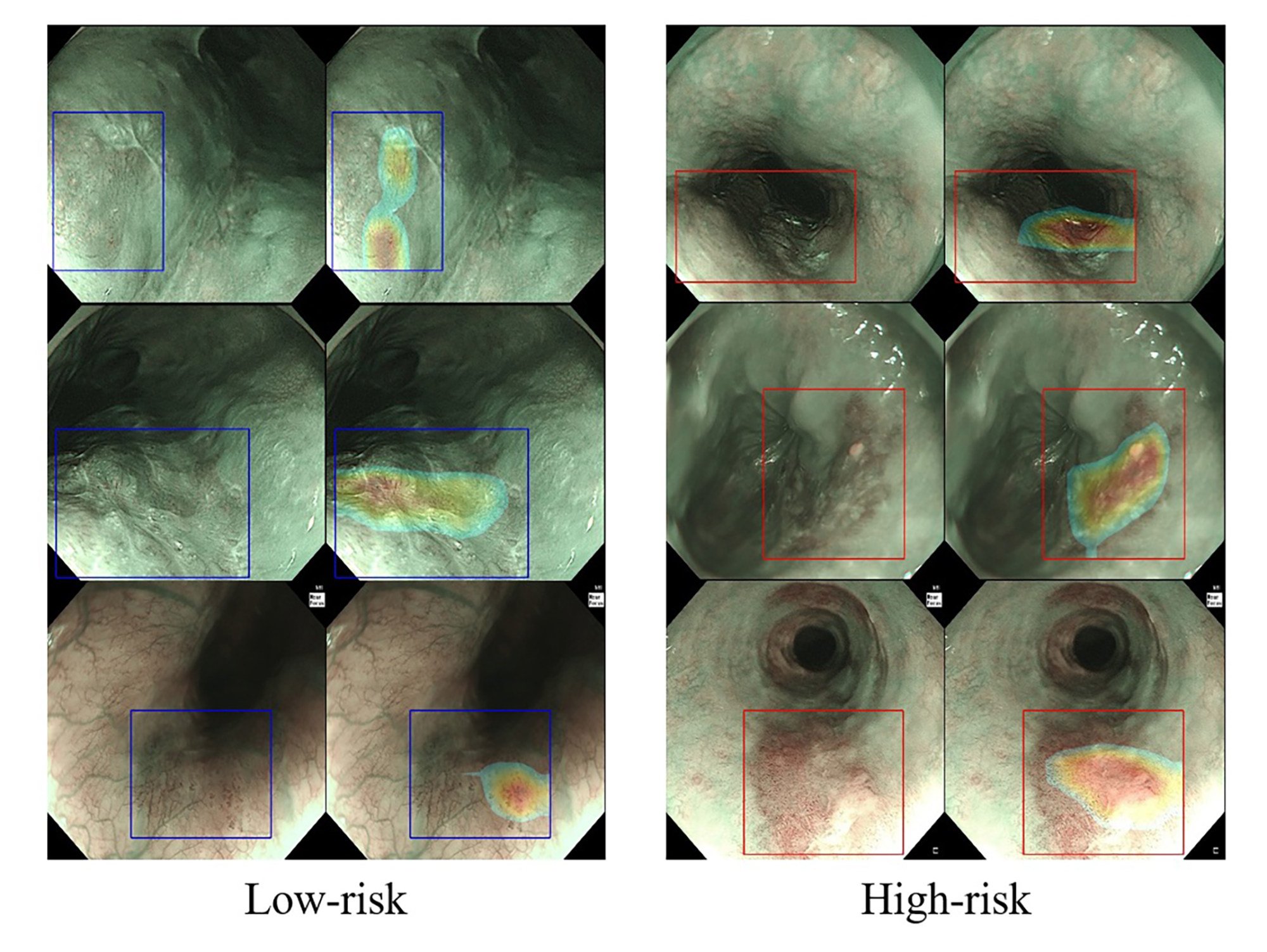
Although cancer is often asymptomatic, endoscopy can detect tumors and precancerous lesions. To help doctors using endoscopes identify these signs, the team turned to deep learning technology that excels at extracting small visual features and classifying images.
They trained the machine on more than 190,000 esophageal images collected from clinics in China, identifying lesions with high accuracy and marking them with boxes to help doctors assess whether they are high-risk or not. We have made it possible to predict whether the risk is low.
The team tested the system on more than 3,000 patients in clinical trials from 2021 to 2022. Half of the group underwent AI-assisted endoscopy, and the rest received standard treatment.
According to the study, the detection rate in the AI group was 1.8%, compared to 0.9% in the control group. The scientists said this increase was “a significant improvement that may have substantial clinical significance in improving patient outcomes.”
Lead author Mao Xinli, chief physician of the gastroenterology department at Taizhou Hospital, Wenzhou Medical University, said that the accuracy of diagnosis through endoscopy is largely related to the skill level of the endoscopist.
“Physicians with more experience in endoscopy tend to have a keener eye for identifying early cancer abnormalities than those with less experience,” she says.
“This technology is an excellent tool to increase our ability to detect early cancer and improve patient outcomes.”
09:24
A cure for cancer?Hong Kong develops 'world's first' treatment to reverse stage 4 liver cancer
A cure for cancer?Hong Kong develops 'world's first' treatment to reverse stage 4 liver cancer
Li Shaowei, lead author and associate researcher at Taizhou Hospital Affiliated to Wenzhou Medical University, said the new AI capabilities are compatible with existing endoscopy systems used in hospitals.
“The use of AI has been scaled up from one hospital to hundreds of hospitals across the country. We have received positive feedback about its high sensitivity, specificity, and accuracy,” Lee said.


