- China is encouraging companies to adopt AI to increase productivity.
- Pushing AI out of the lab and into everyday work.
China is pushing forward with the use of artificial intelligence in its economy, encouraging businesses and public institutions to incorporate it into their daily operations. This initiative spans fields such as manufacturing and logistics. The service industry is also helping. Officials see AI as one way to support growth and address labor shortages as the population ages.
According to recent reports, policymakers are pushing for so-called “whole-of-society” AI adoption. The aim is to expand the use of AI beyond research institutes and technology companies into normal business activities. According to ReutersChina is encouraging companies to integrate AI into their production systems and management tools as part of a broader economic plan.
The move reflects policymakers’ belief that AI can help improve productivity in key industries. China has faced slowing economic growth in recent years due to a slump in the real estate market and changes in export demand. Officials are now looking at automation and data-driven tools as one way to increase production and efficiency.
China introduces AI to factories and logistics
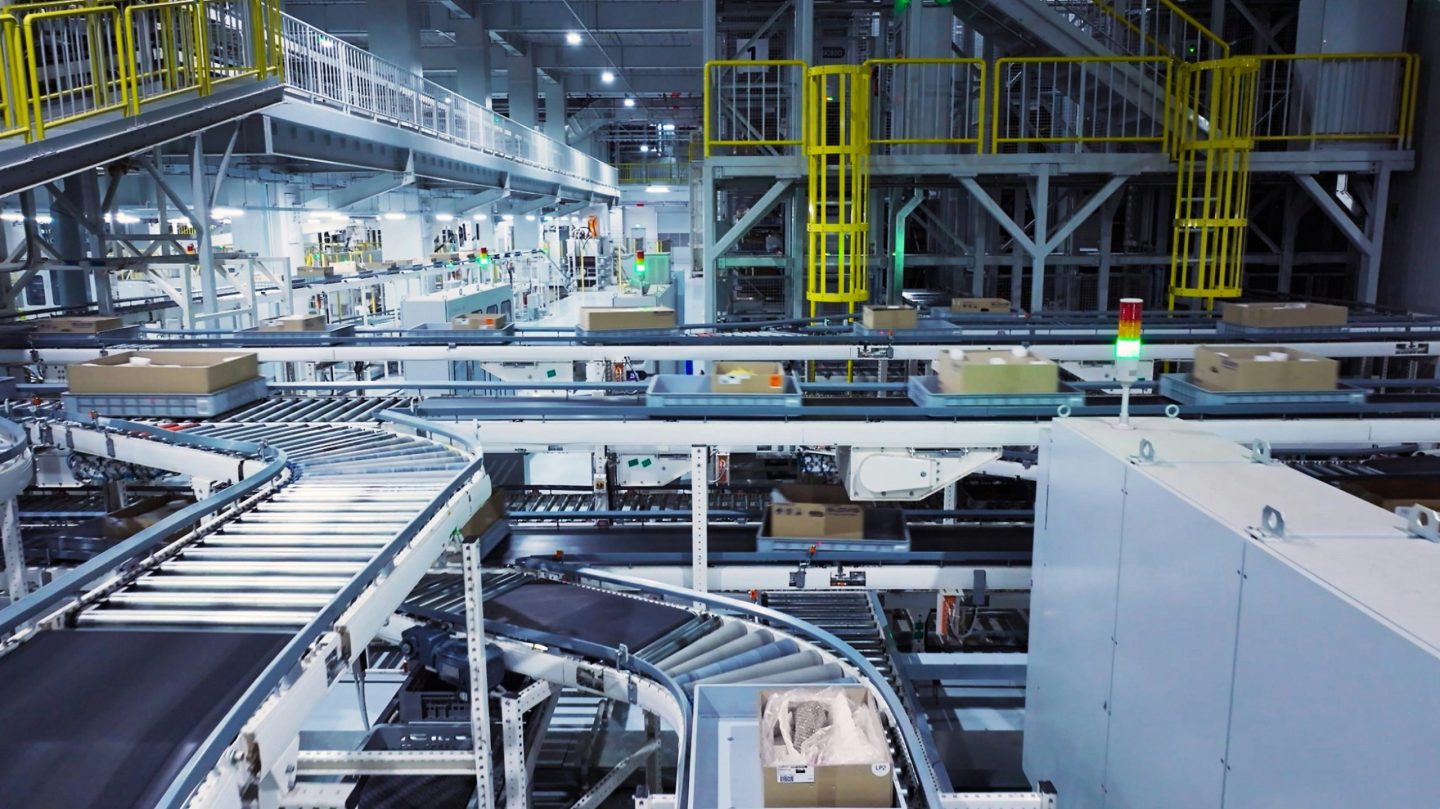
There seems to be a trend among Chinese companies to look for ways to integrate AI into their daily operations. Manufacturing is the main focus. China remains the world’s largest manufacturing hub, and many factories already use robotics and machine vision systems. The latest initiatives are encouraging companies to consider how AI can analyze production data to support factory operations.
Companies are looking for ways to apply AI models to automate based on large amounts of operational data. The system reviews patterns in the production process and helps managers spot problems early.
Logistics and supply chain are also areas of interest. Distribution networks and warehouse systems generate data about freight movement and storage patterns. Companies are testing AI tools to analyze these flows to improve planning and coordination. Companies are also exploring whether AI systems can help with tasks such as demand forecasting and inventory planning. For example, retail and shipping companies are looking at ways to use AI systems to analyze historical sales and shipping data for inventory planning.
Service departments consider AI tools
This initiative extends beyond factories and warehouses. Service industries are also exploring how AI can support their operations, including sectors such as finance and retail. Financial institutions considered how AI could review transaction data and alert on anomalous activity. Retail companies are testing similar tools to help manage customer inquiries and online interactions. Other companies are considering systems that summarize documents or allow staff to process internal information more quickly.
The goal is to automate tasks and help employees work with large datasets. AI models can review recordings and highlight patterns that may take longer to detect. Broader policy direction is encouraging companies from different sectors to experiment with AI and find practical applications in their daily work.
Policies to support expansion
The push to expand AI adoption is closely tied to China’s national development plan. Over the past decade, officials have identified artificial intelligence as a technology that should be incorporated into several economic plans. Recent policy guidance calls on companies and institutions to test AI tools in real-world work environments. Officials want companies to implement the technology in their production lines and service platforms.
According to ReutersOfficials believe widespread use of AI could help support economic growth and create new types of jobs, even if some routine tasks are automated.
In recent years, government policies have encouraged AI development through research programs and broader technology initiatives. Several cities have set up technology zones where companies can develop and test AI systems with the help of universities and research centers.
Balance growth and risk
While the push for AI adoption is strong, this effort also comes with concerns. As companies implement automated systems, questions remain about job losses and data security. Some day-to-day roles may be affected if software or robots take over certain tasks. Companies may not only need people who can maintain AI systems, but also people with data analysis skills.
Security and surveillance remain issues. AI systems often rely on large datasets, which raises questions about how information is collected and used. On the operational side, Chinese regulators have issued rules in recent years requiring companies to review their AI systems and restrict certain uses.
Introduction of economic AI in China
While previous efforts in China focused on building research capacity and supporting technology companies developing AI systems, the latest edict focuses on leveraging the tools in the broader economy.
If this policy is successful, artificial intelligence could become part of daily business activities in many industries in China.

Want to experience the full spectrum of enterprise technology innovation? Join us at TechEx in Amsterdam, California, and London. Covering AI, Big Data, Cyber Security, IoT, Digital Transformation, Intelligent Automation, Edge Computing, and Data Center, TechEx brings together world leaders to share real-world use cases and deep insights. Click here for more information.
Tech Wire Asia is powered by TechForge Media. Learn about other upcoming enterprise technology events and webinars.