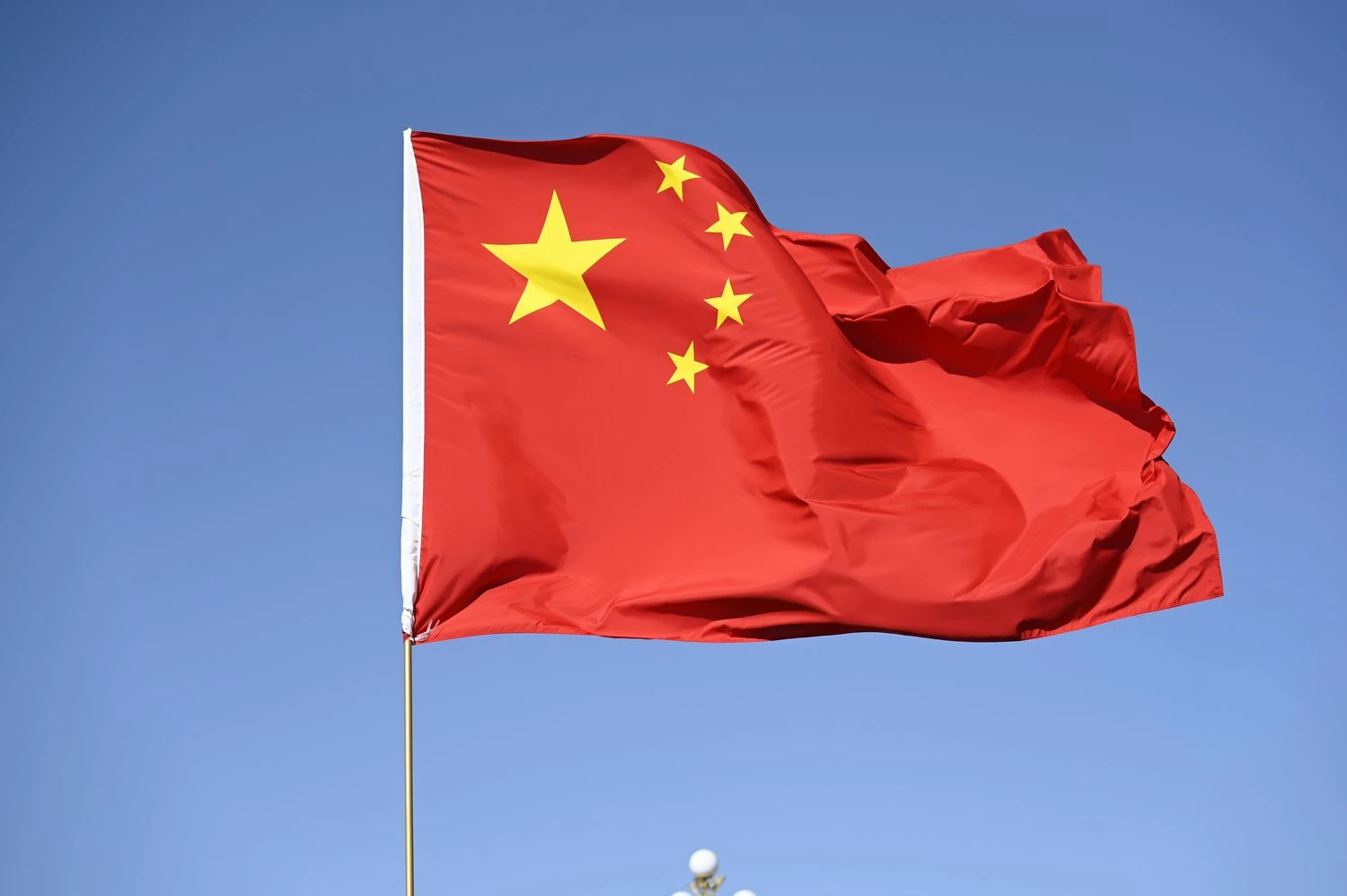
In China, the Financial Times reported that regulators are considering tightening export controls on artificial intelligence and semiconductor technology as tensions between the US and China intensify in the field of advanced AI technology. UNN.
detail
China’s regulators, led by the Ministry of Commerce, are consulting with the country’s leading groups involved in AI and chip manufacturing about ways to prevent Western countries from acquiring advanced Chinese technologies and promising startups, two people involved in the discussions said.
The Commerce Department has consulted with AI companies including Alibaba, ByteDance and Shibaura on issues such as limiting the overseas transfer of critical data used to train models and allowing foreign users to download model weights, the people said. However, China will continue to allow foreign customers access to its models and services.
Last week, Chinese AI research institute Moonshot released the Kimi K3 model, which outperformed Anthropic’s flagship Opus 4.8 model in most metrics, proving that China has significantly closed the gap with the United States in the field of advanced AI technology.
The main Chinese models of Moonshot and DeepSeek are so-called openweight, which allows users to download them to local servers and customize them to suit their needs. At the same time, Anthropic and OpenAI’s major US models will be shut down.
China’s Commerce Ministry also sought opinions on possible restrictions that could prevent foreign chipmakers such as Qualcomm and TSMC from producing advanced semiconductors based on developments by Chinese companies such as Huawei, Alibaba and ByteDance, the people said.
Potential restrictions could also be placed on foreign acquisitions of strategic technology groups in areas such as agent-based AI, sources said. This is primarily aimed at closing a loophole that led to Meta’s $2 billion acquisition of Manus, which Chinese authorities subsequently ordered to end.
The new measures could be included in the next revision of the catalog of technologies that China exports are prohibited or restricted, reflecting Beijing’s confidence in its position as a world leader in some areas of AI, the people said.
Most of the proposals are still in the discussion stage, with regulators considering industry feedback before making final decisions, officials said.
It added that technology companies have told regulators that some of these stricter measures could slow their own AI development and hurt China’s chances in the race for technological leadership.
This catalog is one of China’s three main export control systems, along with two control lists covering dual-use goods. The latest revision in 2025 added several lithium-ion battery manufacturing technologies to the export restriction list, complementing existing restrictions on strategically important technologies such as the mining and processing of rare earth elements.
Sources say the updates currently being discussed and agreed will be the most significant in recent years.
China expands investment in AI, intensifying technology conflict with US – Information22.06.26, 14:00 • 4246 views