The statement agreed at the Rio de Janeiro summit on Sunday, describing AI as a “unique opportunity” to promote inclusive growth, innovation and sustainability, but warned that without fair governance the digital gap could widen.
Given the rapid change brought about by technology, he emphasized that it is essential to develop “technical specifications and protocols” involving the public sector and UN agencies to ensure “trust, interoperability, security and reliability” across a variety of AI-based platforms and applications.
“We must ensure that standard setting processes are not used as barriers to market entry in small and medium-sized businesses and developing countries,” added the leader of the BRICS group in emerging economies.
They also set voluntary guidelines for the responsible development and use of AI only in the non-military domain. They demanded that all countries, particularly the Global South countries, have equal access to AI technology, data and research capabilities.
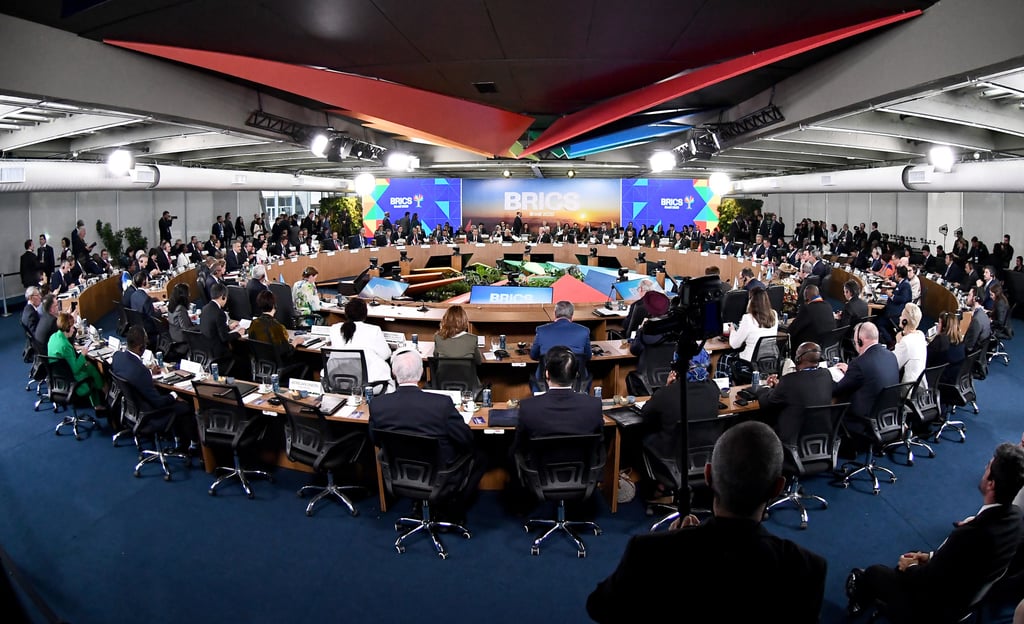
The statement called for open source collaboration, protection of digital sovereignty, fair competition in the AI market, and intellectual property safeguards that do not hinder technology transfer to poor countries. Leaders highlighted the role of BRICS in fighting climate change and supporting the economic transition to low-carbon growth.